
Description
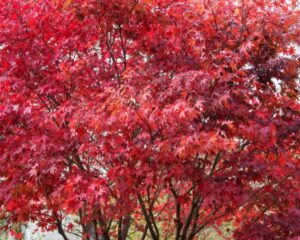 ACER PALMATUM ‘EMPEROR ONE’
What if you could have a Japanese maple that actually gets bigger? Emperor One rewrites the playbook for this beloved genus. While most Japanese maples max out at 15 feet, this cultivar stretches toward 25 feet with an equally impressive spread, giving you a genuine shade tree wrapped in the fine, lacy foliage that makes you fall in love with the species in the first place. It’s the maple for gardeners who don’t want to settle for a specimen—they want an anchor, a focal point, a reason for guests to stop mid-conversation and stare.
What it looks like
Emperor One is a study in contrasts. Its palmate leaves emerge in spring with deep burgundy tones that deepen throughout the growing season, maintaining that rich wine color even through summer when other red maples fade to muddy brown. The foliage is intricately dissected—those feathery, almost fern-like leaves that catch every breeze and cast the most delicate dancing shadows on your garden beds below. By autumn, the entire tree ignites into shades of crimson and scarlet so vivid they seem impossible, as if someone soaked the branches in sunset. The branching structure is elegant and somewhat upright, creating a vase-like form that feels both graceful and substantial.
Growing it in your garden
Emperor One wants what most Japanese maples want: afternoon shade and protection from harsh Connecticut winds. Plant it where it receives dappled light or morning sun with afternoon protection, especially important in our New England climate where intense afternoon heat can stress the foliage. This maple appreciates consistent moisture but absolutely demands excellent drainage—boggy soil will end your romance with this tree quickly. When planting, work plenty of organic matter into the soil and mulch generously. The good news? It’s hardy to Zone 5, which means your southern Connecticut garden is perfect, and even Zone 4 gardeners in the northwestern part of the state can succeed with a slightly protected location.
Through the seasons
Spring brings that magical moment when Emperor One’s burgundy foliage first unfurls, giving you weeks of rich color before the tree settles into its summer persona. Summer is when you’ll appreciate the size of this cultivar most—it’s finally substantial enough to create real shade for you and a backdrop for your shade-loving perennials. Autumn is showstopping; the color transition happens relatively slowly, which means weeks of enjoyment rather than a quick flash of glory. Winter reveals the elegant branch structure, which is lovely in its own right, especially when frost catches those fine twigs.
Where it shines
This is your Japanese maple for the garden that wants real presence. Use Emperor One as a focal point in a larger landscape, in the corner of a shrub border where it can grow unobstructed, or as a specimen tree that anchors a seating area. Its size makes it appropriate for gardens that seem too large for standard laceleaf maples. It’s stunning underplanted with shade-tolerant hostas, hellebores, or coral bells that will echo its rich tones. Because it provides dappled shade rather than the dense shade of a sugar maple, it’s perfect for gardens where you want filtered light with actual visual interest overhead.
Perfect companions
The deep burgundy of Emperor One pairs beautifully with silver-foliaged plants like artemisia or dusty miller that brighten the understory. Complement it with shade-tolerant shade perennials: chartreuse hostas like ‘Sun Power’ create stunning contrast, while the deep purple leaves of ‘Black Magic’ heuchera echo the maple’s tones. Underplant with hellebores in soft colors or pale astilbe that will glow in the dappled shade. Even simple groundcovers like Japanese forest grass work beautifully, creating movement and lightness that mirrors the maple’s delicate foliage.
Care tips
Water consistently during the first two growing seasons to establish a strong root system, then maintain moisture during dry Connecticut summers. Mulch with 2-3 inches of organic material, keeping it a few inches away from the trunk. Prune only to remove dead wood or to shape when the tree is young—Japanese maples resent heavy pruning. Because of its size, Emperor One may eventually need a pruning to develop a strong central leader, but this is best done in late winter when the tree is dormant. Watch for spider mites in hot, dry years; occasional misting can help prevent them. Avoid fertilizers high in nitrogen, which can encourage weak growth.
Quick facts
- Hardiness Zone: 5-8
- Mature Height & Spread: 20-25 feet tall, 15-20 feet wide
- Bloom Season: Spring (inconspicuous flowers)
- Light Requirements: Dappled shade to morning sun; afternoon shade essential
- Water Needs: Consistent moisture; excellent drainage required
- Available at: Both our retail and wholesale locations.