
Description

ACER PALMATUM ‘DISSECTUM’
What if the perfect focal point for your shaded garden could be something delicate yet strong, architectural yet graceful, and capable of stopping visitors mid-conversation? The Laceleaf Japanese Maple does exactly that. This isn’t just another tree—it’s a living sculpture that transforms how people see what’s possible in a Connecticut garden. With its deeply cut, feathery foliage and elegant weeping habit, it creates an almost ethereal presence that feels Japanese temple garden without requiring a gardener’s years of expertise.
What it looks like
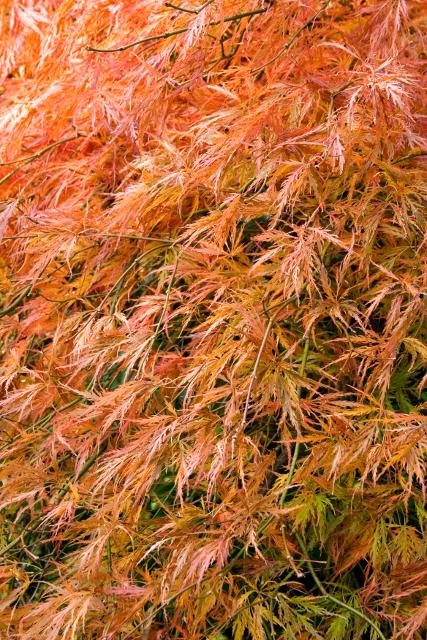
Picture something almost impossibly fine. The Laceleaf Japanese Maple’s palmate leaves are so deeply dissected they look more like lace than traditional foliage. Each leaf is a lacework of emerald green (in many selections) or burgundy, depending on the cultivar you choose. The overall form ranges from cascading and weeping to more upright and vase-like, with a natural branching structure that requires minimal pruning to look like art. In spring, tiny red flowers appear before the leaves fully emerge—subtle but charming. Come autumn, the entire tree ignites in shades of crimson, orange, or gold, creating a moment that lingers in memory long after the season ends.
Growing it in your garden
The reputation? Complicated. The reality? Absolutely manageable if you plant it right. Laceleaf Japanese Maples thrive in dappled shade—morning sun and afternoon protection is the sweet spot here in New England. They prefer well-draining soil rich in organic matter, slightly acidic to neutral pH. In Connecticut, where our summers can get humid and our soils vary wildly, amending with compost at planting time makes all the difference. These are woodland plants at heart, so think about what conditions exist beneath a tall oak or pine in your landscape. That’s your target environment.
Plant in spring or early fall. Give it space to develop its natural form—these trees earn their graceful shapes through time and thoughtful placement, not constant shaping. They’re moderately fast growers once established, adding 12 to 24 inches annually depending on conditions and cultivar.
Through the seasons
Spring brings the emergence of new foliage, often with reddish tones that gradually shift to green as warmth increases. The delicate branching structure is fully visible before leafout—a hidden architectural moment many gardeners overlook. Summer is when you appreciate the cooling effect of that finely textured shade beneath the canopy. Fall? That’s the showstopper season when the entire tree becomes a focal point. Winter reveals the graceful skeleton of the tree, particularly striking in a weeping form when snow or frost outlines each branch.
Where it shines
These are perfect as specimen plants—plant one where you’ll see it daily from a window or as you move through your garden. They excel in foundation plantings where you want drama without overwhelming scale. Near a seating area or at the turn of a path, they create moments of beauty that feel almost intentional, like someone planned the view just for you. In woodland gardens, they bridge the gap between shade perennials and tall canopy trees. Some gardeners use them in containers on patios, which works beautifully if you’re mindful about watering and winter protection.
Perfect companions
Plant Laceleaf Maples with shade-tolerant companions that won’t compete for attention. Hostas work beautifully below—the bold foliage contrasts perfectly with the maple’s delicate structure. Shade ferns, particularly POLYSTICHUM (Christmas Fern) and DRYOPTERIS varieties, echo the maple’s architectural quality. Hellebores add winter interest when the maple is bare. Ajuga or OPHIOPOGON (Mondo Grass) as groundcover keeps the focus on your specimen. In early spring, ERYTHRONIUM (Trout Lily) and shade-tolerant crocuses bridge the gap before the maple fully leafs out.
Care tips
Water regularly, especially during establishment and through Connecticut’s dry spells. These trees prefer consistent moisture but never waterlogged roots. Mulch with 2 to 3 inches of organic matter, keeping it a few inches away from the trunk. Pruning is rarely necessary—let the tree develop its natural form. If you must prune, do it in late summer after growth has slowed. Never prune in spring when the tree bleeds sap. Watch for spider mites in dry summers and Japanese beetles on tender growth—both are manageable with early attention. Fertilize sparingly if at all; overfertilization promotes weak, vulnerable growth.
Quick facts
- Hardiness Zone: 5-8
- Mature Height & Spread: 8 to 16 feet tall, 12 to 20 feet wide (varies by cultivar)
- Bloom Season: Early spring (inconspicuous flowers)
- Light Requirements: Dappled shade to partial shade; protect from harsh afternoon sun
- Water Needs: Consistent moisture; moderate water requirements
- Available at: Both our retail and wholesale locations.