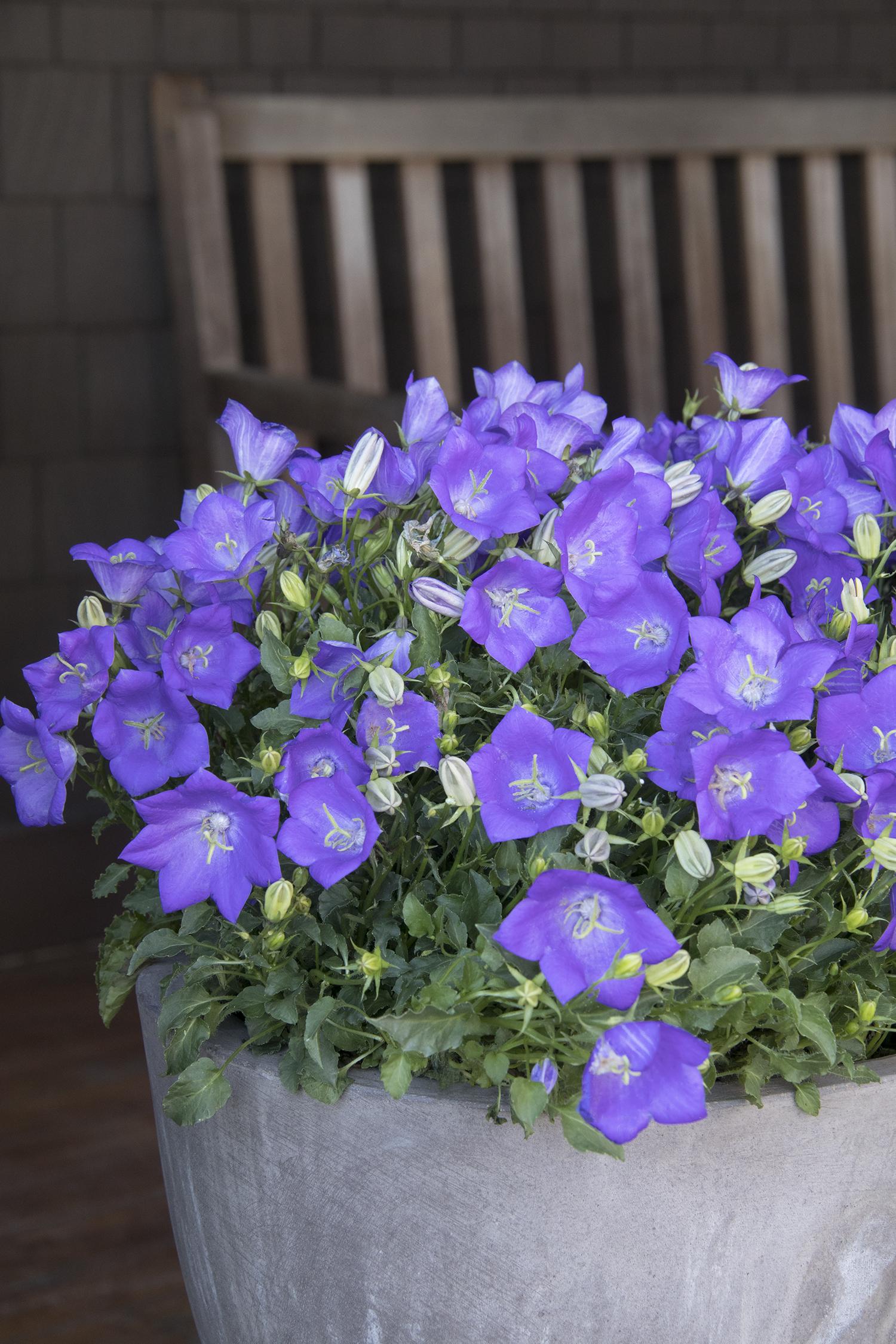
Bellflower

CAMPANULA

What if you could fill your Connecticut garden with delicate, nodding bells that dance in the slightest breeze and bloom for weeks on end? Bellflowers are that rare plant that looks far more difficult to grow than it actually is. These charming perennials bring an almost cottage-garden sweetness to borders, rock gardens, and containers, yet they’re tough enough to handle New England’s unpredictable springs and dry summers. Whether you’re drawn to the towering spires of the clustered bellflower or the cascading trails of creeping varieties, CAMPANULA offers something genuinely special for gardeners at every skill level.

What it looks like

Bellflowers earned their common name honestly—their flowers are quite literally shaped like tiny, delicate bells. The petals are typically blue, purple, pink, or white, and they hang in loose clusters or solitary stems depending on the variety. Some CAMPANULA varieties are compact and mounding, perfect for edging a perennial border. Others reach upward with stately grace, creating height and structure in the garden. Even the foliage is worth noticing—soft, lance-shaped leaves create a pretty backdrop throughout the growing season, and many varieties remain attractive even after flowering has finished.

Growing it in your garden

Here’s what makes bellflowers so reliable in Connecticut: they’re genuinely unfussy about soil. They’ll thrive in well-draining garden soil but won’t sulk if conditions aren’t perfect. The key is drainage—like most perennials, they hate sitting in soggy soil during our wet New England springs. Plant them where water moves through easily, and you’ll have a happy, long-lived perennial. Taller varieties may need staking in windy locations or after heavy rain, but dwarf types are naturally sturdy. Once established, CAMPANULA develops a deep root system that makes it drought-tolerant, which is a real asset during those dry stretches we get in mid-summer.

Through the seasons

Bellflowers emerge reliably in spring, typically taking several weeks to establish their growth pattern before buds form. By early June, the first flowers appear, and this is where the magic happens—that bloom period stretches for 6 to 8 weeks if you’re willing to do a little deadheading. There’s something meditative about removing spent flowers; it encourages the plant to keep producing new buds rather than wasting energy on seed production. In late summer, as other perennials start looking tired, your bellflowers often give one last flush of bloom. Come autumn, the foliage gradually fades, and the plant settles into dormancy. They’re entirely winter-hardy here in Connecticut, requiring no special protection—just let them be.

Where it shines

The beauty of bellflowers is their versatility. Taller varieties like CAMPANULA glomerata are stunning in the middle or back of a perennial border, where they can reach 24 inches and create real presence without being aggressive. Shorter creeping types work beautifully cascading over stone walls, spilling from containers, or tucking into rock gardens. Because they’re not fussy about light, you can tuck them into areas with dappled afternoon shade—something many perennials can’t claim. They’re particularly lovely where you can see them backlit by morning or evening sun, which makes those bells almost glow. In containers, they’re surprisingly excellent; a tall variety in the center with trailing types around the edges creates a garden-in-miniature effect.

Perfect companions

Plant bellflowers alongside salvias, catmint, and other Mediterranean-origin perennials that share their love of well-draining soil. They partner beautifully with alliums—the geometric purple globes look stunning next to the delicate bell shapes. For a softer look, combine them with ornamental grasses like feather reed grass or fountain grass. In shade situations, pair them with hellebores and epimedium. The cool blues and purples of most CAMPANULA varieties look exceptional next to warm yellows and oranges, so consider adding sunny neighbors like daylilies or coreopsis nearby for contrast.

Care tips

Deadheading is the secret to maximum bloom, but even without it, bellflowers are low-maintenance. In spring, cut back winter-damaged foliage to fresh green growth. If you live in an area with heavy clay soil, amend generously with compost or peat moss to improve drainage. Water deeply at planting time and during extended dry periods, but otherwise let rainfall handle things. You rarely need to fertilize—too much nitrogen encourages foliage at the expense of flowers. Tall varieties appreciate a cage or staking support, especially if they’re in a windy spot. Division isn’t strictly necessary, but if a plant gets crowded after several years, spring division rejuvenates it.

Quick facts

  • Hardiness Zone: Zones 3-8 (fully hardy throughout Connecticut)
  • Mature Height & Spread: 8 inches to 24 inches tall, depending on variety; 12-18 inches wide
  • Bloom Season: Early June through August, with possible repeat bloom in fall
  • Light Requirements: Full sun to partial shade (4+ hours of sun preferred)
  • Water Needs: Moderate; drought-tolerant once established, but prefers consistent moisture during growing season
  • Available at: Both our retail and wholesale locations

Bellflower

Creates a carpet of upturned, bell-shaped, blue flowers that will last for several months in summer. A favorite for rock gardens. Works equally well in containers, fronts of borders, and massed as a groundcover. An herbaceous perennial.

Pot Size (gallons), Height: #1

Description

Bellflower

CAMPANULA

What if you could fill your Connecticut garden with delicate, nodding bells that dance in the slightest breeze and bloom for weeks on end? Bellflowers are that rare plant that looks far more difficult to grow than it actually is. These charming perennials bring an almost cottage-garden sweetness to borders, rock gardens, and containers, yet they’re tough enough to handle New England’s unpredictable springs and dry summers. Whether you’re drawn to the towering spires of the clustered bellflower or the cascading trails of creeping varieties, CAMPANULA offers something genuinely special for gardeners at every skill level.

What it looks like

Bellflowers earned their common name honestly—their flowers are quite literally shaped like tiny, delicate bells. The petals are typically blue, purple, pink, or white, and they hang in loose clusters or solitary stems depending on the variety. Some CAMPANULA varieties are compact and mounding, perfect for edging a perennial border. Others reach upward with stately grace, creating height and structure in the garden. Even the foliage is worth noticing—soft, lance-shaped leaves create a pretty backdrop throughout the growing season, and many varieties remain attractive even after flowering has finished.

Growing it in your garden

Here’s what makes bellflowers so reliable in Connecticut: they’re genuinely unfussy about soil. They’ll thrive in well-draining garden soil but won’t sulk if conditions aren’t perfect. The key is drainage—like most perennials, they hate sitting in soggy soil during our wet New England springs. Plant them where water moves through easily, and you’ll have a happy, long-lived perennial. Taller varieties may need staking in windy locations or after heavy rain, but dwarf types are naturally sturdy. Once established, CAMPANULA develops a deep root system that makes it drought-tolerant, which is a real asset during those dry stretches we get in mid-summer.

Through the seasons

Bellflowers emerge reliably in spring, typically taking several weeks to establish their growth pattern before buds form. By early June, the first flowers appear, and this is where the magic happens—that bloom period stretches for 6 to 8 weeks if you’re willing to do a little deadheading. There’s something meditative about removing spent flowers; it encourages the plant to keep producing new buds rather than wasting energy on seed production. In late summer, as other perennials start looking tired, your bellflowers often give one last flush of bloom. Come autumn, the foliage gradually fades, and the plant settles into dormancy. They’re entirely winter-hardy here in Connecticut, requiring no special protection—just let them be.

Where it shines

The beauty of bellflowers is their versatility. Taller varieties like CAMPANULA glomerata are stunning in the middle or back of a perennial border, where they can reach 24 inches and create real presence without being aggressive. Shorter creeping types work beautifully cascading over stone walls, spilling from containers, or tucking into rock gardens. Because they’re not fussy about light, you can tuck them into areas with dappled afternoon shade—something many perennials can’t claim. They’re particularly lovely where you can see them backlit by morning or evening sun, which makes those bells almost glow. In containers, they’re surprisingly excellent; a tall variety in the center with trailing types around the edges creates a garden-in-miniature effect.

Perfect companions

Plant bellflowers alongside salvias, catmint, and other Mediterranean-origin perennials that share their love of well-draining soil. They partner beautifully with alliums—the geometric purple globes look stunning next to the delicate bell shapes. For a softer look, combine them with ornamental grasses like feather reed grass or fountain grass. In shade situations, pair them with hellebores and epimedium. The cool blues and purples of most CAMPANULA varieties look exceptional next to warm yellows and oranges, so consider adding sunny neighbors like daylilies or coreopsis nearby for contrast.

Care tips

Deadheading is the secret to maximum bloom, but even without it, bellflowers are low-maintenance. In spring, cut back winter-damaged foliage to fresh green growth. If you live in an area with heavy clay soil, amend generously with compost or peat moss to improve drainage. Water deeply at planting time and during extended dry periods, but otherwise let rainfall handle things. You rarely need to fertilize—too much nitrogen encourages foliage at the expense of flowers. Tall varieties appreciate a cage or staking support, especially if they’re in a windy spot. Division isn’t strictly necessary, but if a plant gets crowded after several years, spring division rejuvenates it.

Quick facts

  • Hardiness Zone: Zones 3-8 (fully hardy throughout Connecticut)
  • Mature Height & Spread: 8 inches to 24 inches tall, depending on variety; 12-18 inches wide
  • Bloom Season: Early June through August, with possible repeat bloom in fall
  • Light Requirements: Full sun to partial shade (4+ hours of sun preferred)
  • Water Needs: Moderate; drought-tolerant once established, but prefers consistent moisture during growing season
  • Available at: Both our retail and wholesale locations