
Description

CERCIS CANADENSIS ‘PINK HEARTBREAKER’
What if one plant could deliver the poetry of spring without asking for much in return? The Pink Heartbreaker Eastern Redbud does exactly that. This Connecticut-friendly cultivar flips the script on what redbud lovers expect—instead of the typical magenta-purple blooms, it opens with flowers that range from soft bubblegum pink to deeper rose tones, creating a romantic garden moment that feels both unexpected and perfectly natural. It’s the kind of plant that stops neighbors mid-jog and makes you genuinely excited about your spring landscape.
What it looks like
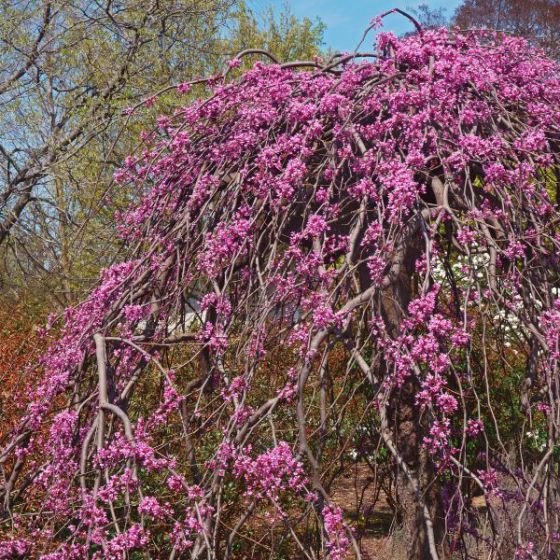
Pink Heartbreaker is a multi-stemmed small tree or large shrub with a naturally vase-shaped habit that looks graceful even in winter. In early spring—often before the leaves fully emerge—the branches become adorned with clusters of small, heart-shaped flowers that give the CERCIS CANADENSIS its common name. The pink blooms are held close to the stems and branches, creating an almost ethereal effect, like the tree is blushing. Once the leaves arrive, you get delightful heart-shaped foliage in a soft blue-green that turns golden in fall. The overall form stays elegant and open, never feeling shrubby or dense.
Growing it in your garden
This is where Pink Heartbreaker truly shines for Connecticut gardeners. Eastern Redbud is native to eastern North America and thrives in New England conditions far better than many ornamental trees. It prefers part sun to dappled shade—a location where it gets 4-6 hours of sun works beautifully—and isn’t fussy about soil as long as drainage is reasonable. It’s not a tree that demands constant babying. Once established, it handles our variable New England springs, hot summers, and cold winters without drama. The main thing is giving it space to develop its natural multi-stemmed character. Prune only to remove crossing branches or to shape it gently in its first few years.
Through the seasons
Spring is the star season, obviously—those pink flowers are why we’re here. But Pink Heartbreaker offers interest throughout the year. The emerging foliage has a bronze-tinged quality before settling into its mature blue-green. Summer brings reliable, healthy foliage without pest issues that plague some trees in our region. Fall is a quiet performer; that golden color isn’t dramatic but adds warmth to the autumn garden. Winter reveals the architectural branching structure—something few small trees do as elegantly. The gray bark is quietly handsome, and the persistent seed pods add textural interest.
Where it shines
Plant Pink Heartbreaker where you want to draw the eye in spring. It’s perfect as a focal point in a mixed border, nestled among shade perennials, or as a specimen near a patio where you can enjoy those early blooms up close. It works beautifully as part of a woodland garden aesthetic—which is fitting, since eastern redbud naturally grows in woodlands and understory settings. It’s also excellent for smaller properties since it rarely exceeds 25 feet and often stays more compact. If you’re creating a pollinator-friendly garden, redbud is a key player; the early spring nectar is crucial for emerging bees and hummingbirds after Connecticut’s long winters.
Perfect companions
Pair Pink Heartbreaker with spring ephemerals that bloom at the same time—think Trillium, Bloodroot, and early shade perennials that will be finishing their show just as the tree’s foliage fully expands. Shade-tolerant hostas and hellebores are lovely underfoot. For year-round structure, surround it with evergreens like native yew or boxwood. If you want to echo its spring color, interplant with pink bleeding heart or coral bells. The blue-green summer foliage is also a beautiful foil for chartreuse plants like Sambucus or golden hostas.
Care tips
Water regularly during the first season to establish a strong root system—important given Connecticut’s sometimes-erratic rainfall. In subsequent years, moderate water during dry spells keeps it happiest. Pink Heartbreaker is generally pest- and disease-free, which is refreshing compared to many ornamental trees. If you want to encourage bushier growth, you can do light shaping in late winter before the sap rises. Avoid heavy pruning, which removes next year’s flower buds. A light mulch keeps soil cool and moist without suffocating the roots.
Quick facts
- Hardiness Zone: 4-9 (perfect for Connecticut)
- Mature Height & Spread: 20-25 feet tall, 15-20 feet wide
- Bloom Season: April-May
- Light Requirements: Part sun to dappled shade (4-6 hours of sun)
- Water Needs: Moderate; establish well, then moderate drought tolerance
- Available at: Both our retail and wholesale locations.