Mexican Heather

CUPHEA HYSSOPIFOLIA

What if one plant could deliver weeks of delicate blooms, stay compact and tidy without fussy pruning, and handle both full sun and light shade with equal grace? Mexican Heather does exactly that—and it does it with an understated elegance that somehow fits into any garden style, from cottage to contemporary. This is the kind of plant that experienced gardeners reach for again and again because it simply works, year after year, without drama or disappointment.

What it looks like

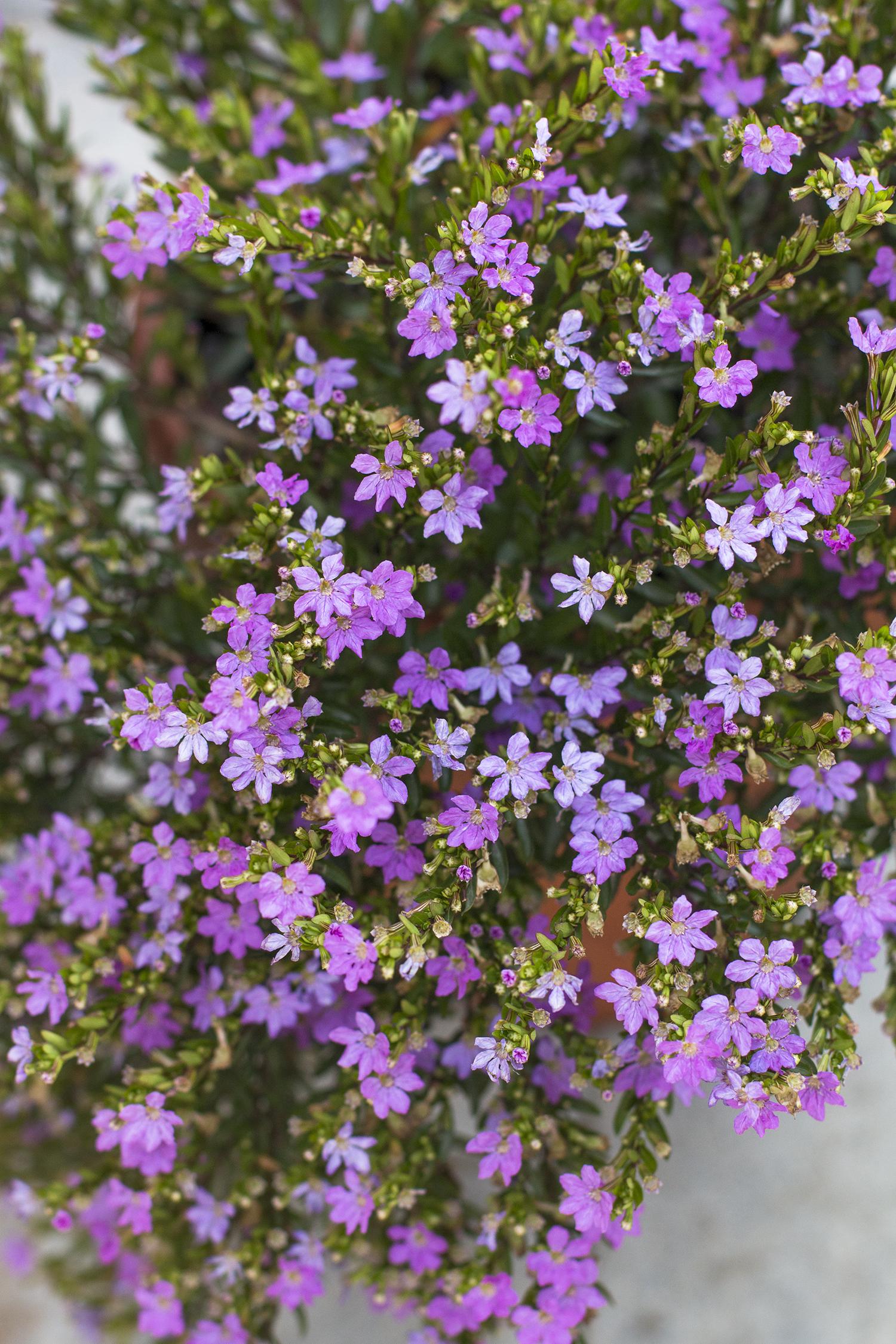
Mexican Heather is a decidedly dainty plant with fine, needle-like foliage that creates an airy, delicate texture in the garden. The small leaves are deep green and densely packed along slender, upright stems, giving the whole plant an almost feathery appearance. But the real magic happens in late summer and fall when tiny, orchid-like flowers blanket the branches in shades of lavender, pink, and white. The blooms are small—barely a quarter inch across—but they appear in such profusion that they practically glow against the fine green foliage. Even when flowers fade, the plant maintains its neat, mounded shape, looking polished and intentional.

Growing it in your garden

Here’s where Mexican Heather reveals itself as the garden problem-solver it truly is. This plant thrives in full sun to partial shade, meaning you’re not locked into one specific spot. It’s not fussy about soil either—it prefers well-draining conditions, but it’s remarkably forgiving if your garden soil is less than perfect. In Connecticut and throughout New England, Mexican Heather is grown as a tender perennial or annual, depending on your microclimate. In warmer parts of the region or in protected spots, it may overwinter outdoors; in colder areas, many gardeners treat it as a summer-blooming annual or bring containerized plants indoors for winter. Either way, it performs beautifully during the warm months, which is when you want color anyway.

Through the seasons

Plant Mexican Heather after the last frost in spring, and it will spend early summer establishing itself with steady, compact growth. By mid-to-late summer, the first flowers appear—delicate and charming. From August through October, especially as nights cool slightly, the blooming intensifies dramatically. It’s one of those plants that seems to know exactly when you need color most, arriving in full force just as many other perennials are fading. If you’re overwintering plants indoors or moving them to a sheltered location, do so before the first hard frost. With frost protection or in a sunny window indoors, plants can bloom sporadically through winter in a warm location.

Where it shines

Mexican Heather is a superstar in containers—its neat, mounding habit and long bloom season make it perfect for pots on a patio or front stoop. It’s also excellent as an edging plant in garden beds, where its fine texture contrasts beautifully with broader-leaved perennials. Use it to soften the edges of pathways or to create a delicate border that doesn’t dominate the view. In mixed containers with ornamental grasses, silver-foliaged plants, or deeper purple flowers, Mexican Heather adds an ethereal quality that ties everything together. It’s also surprisingly good in cottage gardens, where its delicate blooms feel right at home among other informal plantings.

Perfect companions

Pair Mexican Heather with silvery foliage plants like artemisia or dusty miller for a sophisticated, soft color palette. It looks beautiful alongside ornamental grasses such as blue fescue, which echoes its fine texture while adding a color contrast. In container plantings, combine it with deeper purple salvias, burgundy coleus, or trailing potato vine for depth and movement. For a sunnier bed, partner it with sun-loving coreopsis, sedums, or Russian sage—the delicate Mexican Heather provides a gentle counterpoint to bolder bloomers. In partial shade, pair it with hostas, heuchera, or shade-tolerant ferns to create a textured, layered effect.

Care tips

Mexican Heather is genuinely low-maintenance. Water regularly during the growing season, especially during hot spells, but allow the soil to dry slightly between waterings—it doesn’t appreciate constantly soggy conditions. Pinch back young plants in early summer to encourage bushier growth, though this is optional if you’re happy with its natural shape. Fertilize monthly during the growing season with a balanced, all-purpose fertilizer to support continuous blooming. The plant rarely needs pruning, but if it gets leggy indoors during winter, a light cutback in spring will refresh it. Watch for spider mites indoors—increasing humidity helps prevent them. At season’s end, either compost the plant or bring containerized specimens indoors to a bright, cool location.

Quick facts

  • Hardiness Zone: 10-11 (tender perennial in Connecticut; grown as annual or container plant brought indoors)
  • Mature Height & Spread: 1 to 2 feet tall and wide
  • Bloom Season: Late summer through fall (August-October)
  • Light Requirements: Full sun to partial shade
  • Water Needs: Moderate; prefers well-draining soil
  • Available at: Both our retail and wholesale locations

Mexican Heather

Profuse purple flowers on a versatile, tidy, compact shrub with finely textured, glossy, bright green foliage. Reblooms continuously, well into fall. Good for edging and seasonal color in beds and borders.

Pot Size (gallons), Height: #1

Description

Mexican Heather

CUPHEA HYSSOPIFOLIA

What if one plant could deliver weeks of delicate blooms, stay compact and tidy without fussy pruning, and handle both full sun and light shade with equal grace? Mexican Heather does exactly that—and it does it with an understated elegance that somehow fits into any garden style, from cottage to contemporary. This is the kind of plant that experienced gardeners reach for again and again because it simply works, year after year, without drama or disappointment.

What it looks like

Mexican Heather is a decidedly dainty plant with fine, needle-like foliage that creates an airy, delicate texture in the garden. The small leaves are deep green and densely packed along slender, upright stems, giving the whole plant an almost feathery appearance. But the real magic happens in late summer and fall when tiny, orchid-like flowers blanket the branches in shades of lavender, pink, and white. The blooms are small—barely a quarter inch across—but they appear in such profusion that they practically glow against the fine green foliage. Even when flowers fade, the plant maintains its neat, mounded shape, looking polished and intentional.

Growing it in your garden

Here’s where Mexican Heather reveals itself as the garden problem-solver it truly is. This plant thrives in full sun to partial shade, meaning you’re not locked into one specific spot. It’s not fussy about soil either—it prefers well-draining conditions, but it’s remarkably forgiving if your garden soil is less than perfect. In Connecticut and throughout New England, Mexican Heather is grown as a tender perennial or annual, depending on your microclimate. In warmer parts of the region or in protected spots, it may overwinter outdoors; in colder areas, many gardeners treat it as a summer-blooming annual or bring containerized plants indoors for winter. Either way, it performs beautifully during the warm months, which is when you want color anyway.

Through the seasons

Plant Mexican Heather after the last frost in spring, and it will spend early summer establishing itself with steady, compact growth. By mid-to-late summer, the first flowers appear—delicate and charming. From August through October, especially as nights cool slightly, the blooming intensifies dramatically. It’s one of those plants that seems to know exactly when you need color most, arriving in full force just as many other perennials are fading. If you’re overwintering plants indoors or moving them to a sheltered location, do so before the first hard frost. With frost protection or in a sunny window indoors, plants can bloom sporadically through winter in a warm location.

Where it shines

Mexican Heather is a superstar in containers—its neat, mounding habit and long bloom season make it perfect for pots on a patio or front stoop. It’s also excellent as an edging plant in garden beds, where its fine texture contrasts beautifully with broader-leaved perennials. Use it to soften the edges of pathways or to create a delicate border that doesn’t dominate the view. In mixed containers with ornamental grasses, silver-foliaged plants, or deeper purple flowers, Mexican Heather adds an ethereal quality that ties everything together. It’s also surprisingly good in cottage gardens, where its delicate blooms feel right at home among other informal plantings.

Perfect companions

Pair Mexican Heather with silvery foliage plants like artemisia or dusty miller for a sophisticated, soft color palette. It looks beautiful alongside ornamental grasses such as blue fescue, which echoes its fine texture while adding a color contrast. In container plantings, combine it with deeper purple salvias, burgundy coleus, or trailing potato vine for depth and movement. For a sunnier bed, partner it with sun-loving coreopsis, sedums, or Russian sage—the delicate Mexican Heather provides a gentle counterpoint to bolder bloomers. In partial shade, pair it with hostas, heuchera, or shade-tolerant ferns to create a textured, layered effect.

Care tips

Mexican Heather is genuinely low-maintenance. Water regularly during the growing season, especially during hot spells, but allow the soil to dry slightly between waterings—it doesn’t appreciate constantly soggy conditions. Pinch back young plants in early summer to encourage bushier growth, though this is optional if you’re happy with its natural shape. Fertilize monthly during the growing season with a balanced, all-purpose fertilizer to support continuous blooming. The plant rarely needs pruning, but if it gets leggy indoors during winter, a light cutback in spring will refresh it. Watch for spider mites indoors—increasing humidity helps prevent them. At season’s end, either compost the plant or bring containerized specimens indoors to a bright, cool location.

Quick facts

  • Hardiness Zone: 10-11 (tender perennial in Connecticut; grown as annual or container plant brought indoors)
  • Mature Height & Spread: 1 to 2 feet tall and wide
  • Bloom Season: Late summer through fall (August-October)
  • Light Requirements: Full sun to partial shade
  • Water Needs: Moderate; prefers well-draining soil
  • Available at: Both our retail and wholesale locations