Pinks

DIANTHUS

Have you ever noticed how certain plants just make you smile when you walk past them? Pinks do that. There’s something irresistible about their ruffled petals, their spicy-sweet fragrance, and the way they bloom with such generous abundance that you can barely see the foliage underneath. They’re old-fashioned in the best possible way—the kind of flower your grandmother probably grew—yet they handle Connecticut’s unpredictable springs and hot summers without a single complaint. If you want reliable, long-blooming color that actually smells incredible, Pinks deserve a place in your garden.

What it looks like

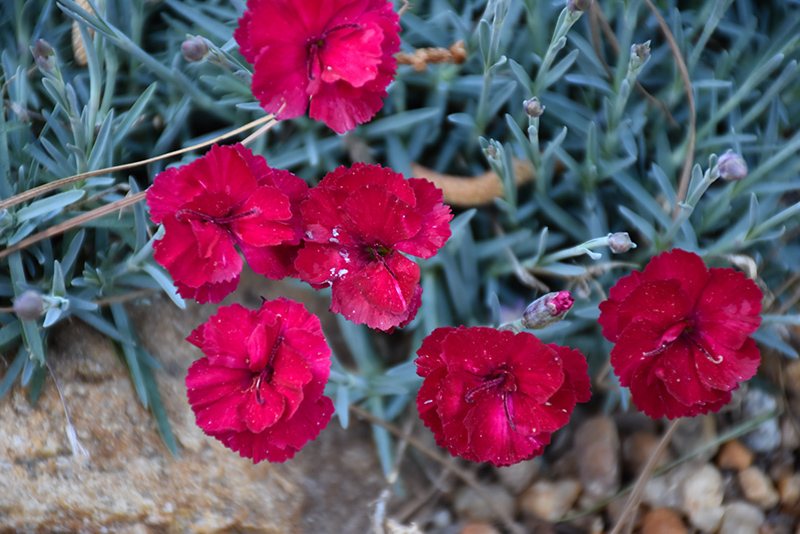
Pinks are a delightful mix of charm and cottage-garden appeal. Their narrow, blue-green foliage creates compact mounds that stay neat and tidy throughout the season. The flowers themselves are the real stars: single or double blooms in shades of pink, red, white, burgundy, and bi-colors, each one with that characteristic ruffled or fringed petal edge that makes them instantly recognizable. Most varieties reach 12 to 18 inches tall, making them perfect for tucking into beds, borders, or containers where you can get close enough to appreciate their spiced-carnation fragrance. Some varieties have that wonderful picotee effect—solid petals rimmed in a contrasting color—that feels almost too fancy for how easy they are to grow.

Growing it in your garden

Here’s what makes Pinks such a gift for New England gardeners: they’re incredibly forgiving. They want full sun and well-draining soil, which is pretty straightforward. If your garden tends toward heavy clay like much of Connecticut’s soil, amend with compost or sand to improve drainage—Pinks despise wet feet, especially in winter. Plant them in spring once the soil is workable, and give them enough space for air circulation; this helps prevent the fungal issues that can sometimes plague them in our humid summers. They’re not heavy feeders, so you don’t need to fuss over them with constant fertilizing. Think of them as self-reliant companions that reward patience and basic good care.

Through the seasons

Spring brings emerging foliage and tight flower buds by late May or early June. That’s when the real magic starts—these plants absolutely explode into bloom for a solid six to eight weeks, sometimes even longer if you deadhead spent flowers. Summer is their glory season; they’ll keep flowering even through our heat waves as long as they’re not sitting in soggy soil. Come fall, they settle into dormancy, but many varieties retain attractive evergreen foliage through winter, adding structure to your garden beds when so many other plants have faded away. In early spring, cut back any winter-damaged growth and divide established clumps every few years to keep them vigorous.

Where it shines

Pinks are garden workhorses. Use them to edge borders where you can lean down and breathe in their fragrance. Tuck them into the front of perennial beds, along pathways, or in rock gardens where good drainage is naturally built in. They’re phenomenal in containers, window boxes, and raised beds—basically anywhere you can control the drainage and enjoy their scent up close. Some gardeners grow them as annuals in Connecticut (replanting each year), while others treat them as short-lived perennials and let them do their thing for two or three seasons. Either way, they deliver remarkable value and continuous color.

Perfect companions

Pinks look stunning alongside other sun-loving, drought-tolerant companions. Pair them with catmint (NEPETA), Russian sage (SALVIA), and ornamental grasses like blue fescue for a Mediterranean-inspired planting. They’re beautiful with silver-foliaged plants like artemisia and lamb’s ear, which make their pink tones pop. Spring bulbs like tulips and alliums look wonderful emerging through Pinks’ foliage. In containers, combine them with calibrachoa, trailing sedum, or silver senecio for a sophisticated, perfumed display.

Care tips

The most important thing: don’t overwater. In Connecticut’s climate, once they’re established, Pinks often need supplemental water only during dry spells. Deadhead regularly to encourage continuous blooming—this is genuinely rewarding work because you’ll immediately see more flowers appearing. In late winter or very early spring, trim back about one-third of the plant to keep it compact and floriferous. If you notice any diseased foliage, remove it immediately and improve air circulation. That’s honestly it. These plants don’t need coddling; they just need the basics done right.

Quick facts

  • Hardiness Zone: 3–9 (perfect for Connecticut)
  • Mature Height & Spread: 12–18 inches tall, 12–24 inches wide depending on variety
  • Bloom Season: June through August, sometimes longer with deadheading
  • Light Requirements: Full sun (6+ hours daily)
  • Water Needs: Low once established; must have excellent drainage
  • Available at: Both our retail and wholesale locations

Pinks

Pretty double red flowers look like miniature carnations; rising above mounds of fine foliage; great for flower arrangements; deadhead to rebloom; pair up with summer blooming perennials and annuals to time a continued flower display

Pot Size (gallons), Height: #1

Description

Pinks

DIANTHUS

Have you ever noticed how certain plants just make you smile when you walk past them? Pinks do that. There’s something irresistible about their ruffled petals, their spicy-sweet fragrance, and the way they bloom with such generous abundance that you can barely see the foliage underneath. They’re old-fashioned in the best possible way—the kind of flower your grandmother probably grew—yet they handle Connecticut’s unpredictable springs and hot summers without a single complaint. If you want reliable, long-blooming color that actually smells incredible, Pinks deserve a place in your garden.

What it looks like

Pinks are a delightful mix of charm and cottage-garden appeal. Their narrow, blue-green foliage creates compact mounds that stay neat and tidy throughout the season. The flowers themselves are the real stars: single or double blooms in shades of pink, red, white, burgundy, and bi-colors, each one with that characteristic ruffled or fringed petal edge that makes them instantly recognizable. Most varieties reach 12 to 18 inches tall, making them perfect for tucking into beds, borders, or containers where you can get close enough to appreciate their spiced-carnation fragrance. Some varieties have that wonderful picotee effect—solid petals rimmed in a contrasting color—that feels almost too fancy for how easy they are to grow.

Growing it in your garden

Here’s what makes Pinks such a gift for New England gardeners: they’re incredibly forgiving. They want full sun and well-draining soil, which is pretty straightforward. If your garden tends toward heavy clay like much of Connecticut’s soil, amend with compost or sand to improve drainage—Pinks despise wet feet, especially in winter. Plant them in spring once the soil is workable, and give them enough space for air circulation; this helps prevent the fungal issues that can sometimes plague them in our humid summers. They’re not heavy feeders, so you don’t need to fuss over them with constant fertilizing. Think of them as self-reliant companions that reward patience and basic good care.

Through the seasons

Spring brings emerging foliage and tight flower buds by late May or early June. That’s when the real magic starts—these plants absolutely explode into bloom for a solid six to eight weeks, sometimes even longer if you deadhead spent flowers. Summer is their glory season; they’ll keep flowering even through our heat waves as long as they’re not sitting in soggy soil. Come fall, they settle into dormancy, but many varieties retain attractive evergreen foliage through winter, adding structure to your garden beds when so many other plants have faded away. In early spring, cut back any winter-damaged growth and divide established clumps every few years to keep them vigorous.

Where it shines

Pinks are garden workhorses. Use them to edge borders where you can lean down and breathe in their fragrance. Tuck them into the front of perennial beds, along pathways, or in rock gardens where good drainage is naturally built in. They’re phenomenal in containers, window boxes, and raised beds—basically anywhere you can control the drainage and enjoy their scent up close. Some gardeners grow them as annuals in Connecticut (replanting each year), while others treat them as short-lived perennials and let them do their thing for two or three seasons. Either way, they deliver remarkable value and continuous color.

Perfect companions

Pinks look stunning alongside other sun-loving, drought-tolerant companions. Pair them with catmint (NEPETA), Russian sage (SALVIA), and ornamental grasses like blue fescue for a Mediterranean-inspired planting. They’re beautiful with silver-foliaged plants like artemisia and lamb’s ear, which make their pink tones pop. Spring bulbs like tulips and alliums look wonderful emerging through Pinks’ foliage. In containers, combine them with calibrachoa, trailing sedum, or silver senecio for a sophisticated, perfumed display.

Care tips

The most important thing: don’t overwater. In Connecticut’s climate, once they’re established, Pinks often need supplemental water only during dry spells. Deadhead regularly to encourage continuous blooming—this is genuinely rewarding work because you’ll immediately see more flowers appearing. In late winter or very early spring, trim back about one-third of the plant to keep it compact and floriferous. If you notice any diseased foliage, remove it immediately and improve air circulation. That’s honestly it. These plants don’t need coddling; they just need the basics done right.

Quick facts

  • Hardiness Zone: 3–9 (perfect for Connecticut)
  • Mature Height & Spread: 12–18 inches tall, 12–24 inches wide depending on variety
  • Bloom Season: June through August, sometimes longer with deadheading
  • Light Requirements: Full sun (6+ hours daily)
  • Water Needs: Low once established; must have excellent drainage
  • Available at: Both our retail and wholesale locations