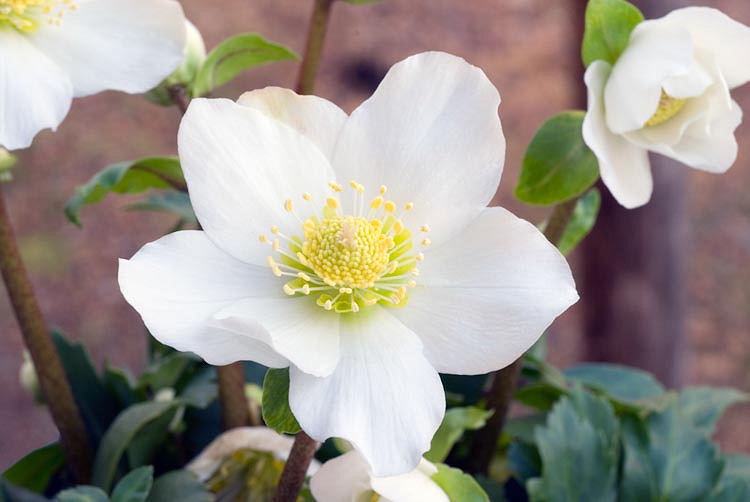
Lenton Rose

HELLEBORUS X HYBRIDUS

Here’s the honest truth about Lenten Rose: it’s the plant that makes you feel like a genius gardener, even if you’ve killed every other winter bloomer you’ve ever touched. While your neighbors are resigned to bare garden beds and dormant landscapes, you’ll be watching delicate nodding flowers emerge from the snow in February, painting your garden in shades of cream, blush, burgundy, and deepest plum. This is the plant that rewrites the rules about what’s possible in Connecticut winters.

What it looks like

Lenten Rose is an elegant study in understated beauty. The flowers—technically sepals rather than petals, though you’d never know the difference—are cup-shaped and nodding, as if the plant is sharing secrets with the ground. They come in an astonishing range of colors: pristine white, soft pink, dusky purple, spotted varieties with burgundy freckles, and rich near-black hues that seem impossible from such a delicate plant. Each flower can last for weeks, even months, gradually deepening in color as it matures. The evergreen foliage is glossy and deeply lobed, creating a handsome backdrop even when flowers aren’t present. Plants form neat, slowly-expanding clumps that look substantial without being aggressive.

Growing it in your garden

The secret to thriving Lenten Rose in Connecticut is understanding that it’s actually a woodland denizen at heart. Give it dappled shade—under deciduous trees is ideal—and rich, well-draining soil amended with compost or leaf mold. The plant appreciates moisture but despises wet feet in winter, so drainage is non-negotiable. Plant in fall or early spring, and then mostly leave it alone. Lenten Rose asks very little and rewards patience. It’s incredibly long-lived; mature plants can thrive for 15+ years with minimal fussing. Unlike many perennials, it doesn’t demand division, though you can divide established clumps in early spring if you want to propagate them.

Through the seasons

Winter is when Lenten Rose truly shines. Flower buds begin forming in autumn and open reliably in late January through March, depending on your Connecticut microclimate. This timing—right around Lent, hence the common name—makes the plant both practically and spiritually valuable. Spring brings fresh new foliage that gradually emerges from beneath the old leaves; you can cut back the previous year’s tired leaves in late winter to showcase the flowers more dramatically. Summer is quiet and handsome, with the leathery green foliage providing textural interest to shaded areas. The old flowers persist and dry beautifully, eventually turning papery and seed-bearing. Leave them in place—self-seeding is often a delightful bonus. Fall is when the evergreen nature of the foliage becomes obvious and appreciated.

Where it shines

Lenten Rose is the answer to the “what can I plant under my oak trees?” question. It flourishes in the dry shade cast by established trees, where many other perennials sulk and refuse to perform. Woodland gardens benefit immensely from its presence. It’s also stunning in shaded foundation plantings, along north-facing borders, or in combination with late-season hostas and ferns. Gardeners with steep, shade-covered slopes have found Lenten Rose to be an excellent solution for stabilizing soil while creating beauty. Container planting is possible too—place containers where you can see the faces of the flowers as they nod toward the ground, perfect for a shaded porch or entryway.

Perfect companions

Pair Lenten Rose with early spring bulbs like snowdrops and winter aconite for a sequence of flowers from January through March. Japanese anemones make wonderful tall companions, blooming later in fall when Lenten Rose is taking a visual break. Helleborus foetidus (Stinking Hellebore—a name that doesn’t do it justice) blooms at the same time and creates beautiful textural contrast. Hostas are obvious companions, offering summer foliage interest. Shade-tolerant sedges and carex varieties add lightweight texture. Epimedium, with its delicate spring foliage, grows happily at the same Lenten Rose feet.

Care tips

Water regularly during establishment, then let deep tree roots or natural rainfall do the work. Apply a generous mulch layer of compost or shredded leaves in fall—this improves soil while providing the cool root conditions hellebores love. Deadheading is entirely optional; leave flowers to mature, dry, and self-seed, or remove them to maintain a tidy appearance. In late winter, cut back old foliage before flowers fully open to prevent it from obscuring the blooms. Watch for leaf spot diseases in humid summers; improve air circulation and remove affected leaves promptly. Slugs sometimes nibble young foliage, but mature plants can easily outpace the damage.

Quick facts

  • Hardiness Zone: 4–9
  • Mature Height & Spread: 15–18 inches tall and wide
  • Bloom Season: January–March
  • Light Requirements: Partial to full shade
  • Water Needs: Moderate; prefers consistently moist but well-draining soil
  • Available at: Both our retail and wholesale locations

Lenton Rose

Category:

An early bloomer, this remarkably robust selection produces a profusion of large, long-lasting, forward-facing, white flowers which mature to green. In colder climates, flowers are tinged with pink. Large, deep green leaves form a sturdy, uniform, compact clump. Ideal in shaded woodland gardens, containers and window boxes. Evergreen.

Pot Size (gallons), Height: #1

Description

Lenton Rose

HELLEBORUS X HYBRIDUS

Here’s the honest truth about Lenten Rose: it’s the plant that makes you feel like a genius gardener, even if you’ve killed every other winter bloomer you’ve ever touched. While your neighbors are resigned to bare garden beds and dormant landscapes, you’ll be watching delicate nodding flowers emerge from the snow in February, painting your garden in shades of cream, blush, burgundy, and deepest plum. This is the plant that rewrites the rules about what’s possible in Connecticut winters.

What it looks like

Lenten Rose is an elegant study in understated beauty. The flowers—technically sepals rather than petals, though you’d never know the difference—are cup-shaped and nodding, as if the plant is sharing secrets with the ground. They come in an astonishing range of colors: pristine white, soft pink, dusky purple, spotted varieties with burgundy freckles, and rich near-black hues that seem impossible from such a delicate plant. Each flower can last for weeks, even months, gradually deepening in color as it matures. The evergreen foliage is glossy and deeply lobed, creating a handsome backdrop even when flowers aren’t present. Plants form neat, slowly-expanding clumps that look substantial without being aggressive.

Growing it in your garden

The secret to thriving Lenten Rose in Connecticut is understanding that it’s actually a woodland denizen at heart. Give it dappled shade—under deciduous trees is ideal—and rich, well-draining soil amended with compost or leaf mold. The plant appreciates moisture but despises wet feet in winter, so drainage is non-negotiable. Plant in fall or early spring, and then mostly leave it alone. Lenten Rose asks very little and rewards patience. It’s incredibly long-lived; mature plants can thrive for 15+ years with minimal fussing. Unlike many perennials, it doesn’t demand division, though you can divide established clumps in early spring if you want to propagate them.

Through the seasons

Winter is when Lenten Rose truly shines. Flower buds begin forming in autumn and open reliably in late January through March, depending on your Connecticut microclimate. This timing—right around Lent, hence the common name—makes the plant both practically and spiritually valuable. Spring brings fresh new foliage that gradually emerges from beneath the old leaves; you can cut back the previous year’s tired leaves in late winter to showcase the flowers more dramatically. Summer is quiet and handsome, with the leathery green foliage providing textural interest to shaded areas. The old flowers persist and dry beautifully, eventually turning papery and seed-bearing. Leave them in place—self-seeding is often a delightful bonus. Fall is when the evergreen nature of the foliage becomes obvious and appreciated.

Where it shines

Lenten Rose is the answer to the “what can I plant under my oak trees?” question. It flourishes in the dry shade cast by established trees, where many other perennials sulk and refuse to perform. Woodland gardens benefit immensely from its presence. It’s also stunning in shaded foundation plantings, along north-facing borders, or in combination with late-season hostas and ferns. Gardeners with steep, shade-covered slopes have found Lenten Rose to be an excellent solution for stabilizing soil while creating beauty. Container planting is possible too—place containers where you can see the faces of the flowers as they nod toward the ground, perfect for a shaded porch or entryway.

Perfect companions

Pair Lenten Rose with early spring bulbs like snowdrops and winter aconite for a sequence of flowers from January through March. Japanese anemones make wonderful tall companions, blooming later in fall when Lenten Rose is taking a visual break. Helleborus foetidus (Stinking Hellebore—a name that doesn’t do it justice) blooms at the same time and creates beautiful textural contrast. Hostas are obvious companions, offering summer foliage interest. Shade-tolerant sedges and carex varieties add lightweight texture. Epimedium, with its delicate spring foliage, grows happily at the same Lenten Rose feet.

Care tips

Water regularly during establishment, then let deep tree roots or natural rainfall do the work. Apply a generous mulch layer of compost or shredded leaves in fall—this improves soil while providing the cool root conditions hellebores love. Deadheading is entirely optional; leave flowers to mature, dry, and self-seed, or remove them to maintain a tidy appearance. In late winter, cut back old foliage before flowers fully open to prevent it from obscuring the blooms. Watch for leaf spot diseases in humid summers; improve air circulation and remove affected leaves promptly. Slugs sometimes nibble young foliage, but mature plants can easily outpace the damage.

Quick facts

  • Hardiness Zone: 4–9
  • Mature Height & Spread: 15–18 inches tall and wide
  • Bloom Season: January–March
  • Light Requirements: Partial to full shade
  • Water Needs: Moderate; prefers consistently moist but well-draining soil
  • Available at: Both our retail and wholesale locations