
Description

MAGNOLIA VIRGINIANA
What if one plant could do everything? Give you elegant, fragrant flowers in the height of summer when most magnolias have already finished their show. Offer semi-evergreen foliage that’s silvery-green and sophisticated year-round. Handle the humidity, occasional wet feet, and unpredictable springs that come with Connecticut gardening. The Sweetbay Magnolia does exactly that—and it does it with a grace that makes you wonder why it isn’t in every garden in New England.
What it looks like
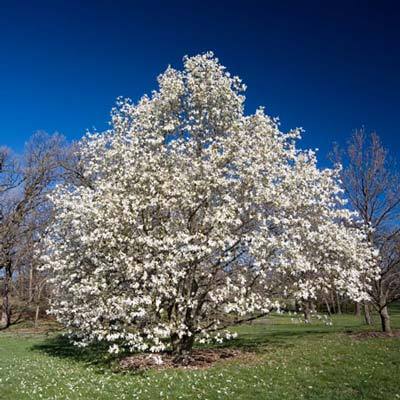
MAGNOLIA VIRGINIANA is the magnolia for those of us who think understated elegance beats showiness every time. Rather than the showy pink blooms of its southern cousins, Sweetbay produces small, creamy-white flowers with a delicate cup shape and a lemony-sweet fragrance that fills the air on warm afternoons. The flowers appear singly along the branches, creating an almost ethereal effect as they emerge throughout summer—from June through August, sometimes even into September.
The foliage is the real star. Narrow, glossy leaves are blue-green on top with a distinctive silvery-white underside that catches the light beautifully. In colder Connecticut winters, the plant often holds onto some leaves, though it may become deciduous in the harshest years. Rather than looking bedraggled, this semi-evergreen character gives the plant a refined, almost mysterious quality through the dormant season.
Growing it in your garden
Here’s what makes MAGNOLIA VIRGINIANA special for New England gardeners: it’s one of the few magnolias that actually thrives in the conditions we have to work with. Native to the eastern United States and found naturally in swamps and wetlands, Sweetbay doesn’t just tolerate moist soil—it actually prefers it. If you’ve been searching for something that handles occasional standing water, boggy spring conditions, or areas that stay damper than you’d like, this is your answer.
That said, Sweetbay is also flexible. It adapts beautifully to average garden soil, as long as the soil is rich and organic. It’s not a tree for dry, sandy locations, but in the loamy, somewhat acidic soils that characterize much of Connecticut, it settles in happily and grows with steady vigor. The key is consistent moisture during its first few years as it establishes itself.
Plant Sweetbay in a spot with full sun to partial shade. While it will grow in shade, you’ll get the most abundant flowering and the best silvery foliage display with at least four to six hours of direct sun. In full sun locations with adequate moisture, you get a more densely branched plant with more flowers—the ideal scenario for most gardeners.
Through the seasons
Spring arrives quietly with MAGNOLIA VIRGINIANA. Rather than the dramatic early flower show of other magnolias, Sweetbay waits, unfurling new foliage with patience. This actually works in your favor—there’s no risk of frost damage to early blooms, one of the frustrations of growing other magnolia varieties in Connecticut’s unpredictable springs.
Summer is when Sweetbay truly shines. From June onward, creamy flowers appear in succession, punctuating the elegant blue-green foliage with fragrant white blooms. The silvery undersides of the leaves flutter with every breeze, creating movement and light throughout the growing season. It’s subtle, sophisticated beauty.
Autumn brings little fanfare. The foliage remains attractively glossy well into fall. In years when the plant goes deciduous, leaves turn a soft yellow before dropping. The semi-evergreen character means you have something to look at all winter, even if it’s a more minimal version of the summer display.
Where it shines
Use MAGNOLIA VIRGINIANA as a specimen tree where you can appreciate its elegant branching structure and fragrant flowers up close. Plant it near a seating area or along a path so you catch the lemony scent as you pass. It’s perfect for a woodland edge, where it bridges the gap between open garden and shadier spaces. Because it handles moist soil so beautifully, it’s an excellent choice for rain gardens, low spots, or areas near a pond or stream.
Its refined, somewhat upright form also works well in smaller properties. Unlike some magnolias that become spreading giants, Sweetbay maintains a more elegant, manageable scale—ideal for suburban Connecticut gardens where space is precious.
Perfect companions
Plant MAGNOLIA VIRGINIANA with other shade-tolerant shrubs like Oakleaf Hydrangea or native Azaleas. The silvery foliage looks stunning against darker green backdrops—pair it with hemlock or shade-loving conifers. At ground level, use ferns and shade-tolerant perennials like Heuchera to soften the base. For summer color echoing those magnolia blooms, underplant with white hydrangeas or white-flowering astilbe.
Care tips
Water regularly during the first year and during dry spells thereafter. Once established, MAGNOLIA VIRGINIANA is drought-tolerant but performs best with consistent moisture. Magnolias rarely need pruning—remove only damaged or crossing branches. Fertilize lightly in spring with a balanced, organic formula. Mulch around the base with 2–3 inches of organic material to keep soil cool and moist, but keep mulch away from the trunk.
Quick facts
- Hardiness Zone: 5–9 (excellent for Connecticut)
- Mature Height & Spread: 15–20 feet tall and 10–12 feet wide
- Bloom Season: June through September
- Light Requirements: Full sun to partial shade; more flowers with more sun
- Water Needs: Moderate to high; loves moisture and tolerates wet soil
- Available at: Both our retail and wholesale locations