
Description

PANICUM VIRGATUM
If you’ve been searching for a plant that handles drought like a champ, thrives in poor soil, and still manages to look absolutely stunning from summer straight through to winter, Switch Grass is your answer. This native American beauty has quietly revolutionized how gardeners think about ornamental grasses—it’s not just tough, it’s genuinely gorgeous. Plant it once, and it’ll reward you with decades of effortless elegance, even through Connecticut’s unpredictable weather patterns.
What it looks like
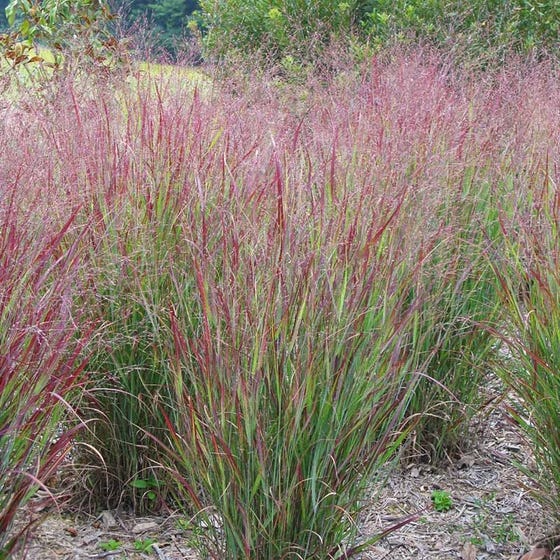
Switch Grass grows in upright clumps with fine, linear foliage that creates an airy, weightless quality in the garden. The leaves emerge in spring with a blue-green hue that gradually deepens as temperatures warm. Come late summer, delicate panicles emerge on slender stems, creating an ethereal cloud of tiny flowers that seem to float above the foliage. What really sets Switch Grass apart is its autumn transformation: by fall, the entire plant shifts into warm amber, rust, and burgundy tones—colors that deepen with frost and persist well into winter, providing months of visual interest when most gardens are fading to gray.
Growing it in your garden
Here’s what makes Switch Grass such a smart choice for New England gardens: it’s incredibly forgiving. It laughs at poor soil, thrives in dry conditions, and has zero fussiness about pH levels. Plant it in a spot with good drainage and full sun to part shade. While it does appreciate consistent moisture during its first growing season, once established, it’s remarkably drought-tolerant—making it perfect for low-maintenance landscapes or areas where water conservation matters. It handles Connecticut’s humid summers without disease issues and stands firm against winter winds thanks to its strong root system.
Through the seasons
Spring arrives quietly with Switch Grass, as new growth emerges later than many perennials—which is actually wonderful because you’re less likely to accidentally damage emerging shoots. Summer sees the foliage fill out into substantial clumps, creating texture and movement. In late August and September, the airy flower panicles appear, adding an entirely new dimension to the plant’s presence. Fall is when this grass truly shines: that color shift from green to warm earth tones is genuinely garden-changing. Leave the foliage standing through winter—the dried stems create beautiful architectural interest and provide shelter for overwintering beneficial insects. In early spring, cut it back before new growth emerges, and the cycle begins again.
Where it shines
Switch Grass belongs in prairie-style gardens, modern landscapes, and anywhere you want movement and texture without fussiness. It’s exceptional in rain gardens where it can handle both wet spells and drier periods. Use it as a backdrop for perennials, mass it for dramatic effect, or plant it as a specimen where its seasonal changes can be fully appreciated. It pairs beautifully with black-eyed Susans, purple coneflowers, and late-blooming sedums. Native plant enthusiasts love it because PANICUM VIRGATUM supports pollinators and songbirds while requiring virtually no chemical inputs.
Perfect companions
Switch Grass is the ultimate team player. Plant it with ECHINACEA for a classic native combination, or pair it with ornamental companions like Russian Sage for a sophisticated look. Shorter perennials like Autumn Sage and coral-pink Phlox work well in front of Switch Grass, while taller companions like Joe-Pye Weed or New York Ironweed create interesting layered plantings. For a modern aesthetic, combine it with architectural plants like Black Liriope or silver-foliaged Artemisia. It also works wonderfully as part of a mixed border with shrubs like Serviceberry or Buttonbush.
Care tips
Cut back dormant foliage in early spring before new growth emerges—this is truly the only maintenance requirement. Don’t cut back in fall; the standing stems provide winter interest and shelter. Once established, Switch Grass needs supplemental watering only during extended droughts. It doesn’t require fertilizing, and it’s not prone to pests or diseases. After several years, if the center of the clump becomes sparse, you can divide plants in spring. That’s it. Seriously.
Quick facts
- Hardiness Zone: 4–9 (reliably winter-hardy throughout Connecticut)
- Mature Height & Spread: 3–5 feet tall, 2–3 feet wide
- Bloom Season: Late summer through fall
- Light Requirements: Full sun to part shade
- Water Needs: Low to moderate; drought-tolerant once established
- Available at: Both our retail and wholesale locations.