PARROTIA PERSICA

The Persian Ironwood is Connecticut’s secret weapon for gardeners who want something that performs beautifully in any season, handles our unpredictable weather without flinching, and actually gets better looking as it matures. This is the kind of tree that makes you wonder why every garden doesn’t have one. It’s elegant without being fussy, tough without looking tough, and it delivers visual interest when everything else has gone dormant.

What it looks like

PARROTIA PERSICA grows into a multi-stemmed, broadly spreading tree with a naturally graceful structure that needs minimal pruning to look architectural. The foliage is dark green, fine-textured, and deeply lobed—almost like an ornamental version of a maple leaf, but more refined. But here’s where this tree really shines: the winter bark. As the tree matures, the bark exfoliates in irregular patches, revealing stunning combinations of cream, gray, rust, and olive tones underneath. It’s like living abstract art on your property.

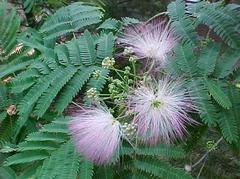
In spring, inconspicuous but charming reddish flowers appear before the leaves fully unfurl, followed by small, winged fruits that add subtle texture. Come fall, the transformation is dramatic. This tree doesn’t just turn color—it puts on a performance. The leaves shift through brilliant yellows, oranges, and deep crimsons, often on the same branch. It’s the kind of autumn display that stops traffic on your street.

Growing it in your garden

PARROTIA PERSICA is remarkably adaptable, which is exactly what Connecticut gardeners need. It’s native to the Caucasus region and has proven itself hardy through our most brutal New England winters. Plant it in full sun to partial shade—you’ll get the best fall color in full sun, but it tolerates afternoon shade beautifully. Unlike some finicky trees, this one is flexible about soil. It prefers well-draining soil but handles both acidic and slightly alkaline conditions. It even tolerates clay soil, which makes it a genuine option for more properties than you’d think.

The natural branching habit means you don’t need to spend your weekends pruning. Plant it as a single-stemmed tree if you want a more formal appearance, or let it grow as a multi-stemmed specimen for maximum visual interest and that spectacular winter bark display.

Through the seasons

Spring arrives quietly with those delicate red flowers that emerge before the leaves. It’s a subtle welcome to the growing season—sophisticated rather than showy. Summer brings that reliable, attractive green foliage and a graceful branching structure that filters light beautifully if you plant it near a seating area.

Fall is when PARROTIA PERSICA becomes unforgettable. The color display builds gradually, sometimes holding multiple colors simultaneously. Leaves linger into November in Connecticut, extending the show well past many other deciduous trees.

Winter is genuinely interesting here. After the leaves drop, the exfoliating bark becomes the main event. Those patches of cream, rust, and gray create a three-dimensional landscape effect, especially when backlit by low winter sun or when snow collects on the branches. Your winter garden gains dimension and warmth when everything else is monochrome.

Where it shines

This tree is perfect as a focal point in a landscape—positioned where you can see it from a window or patio where its year-round interest can be fully appreciated. It works beautifully as a specimen planting, standing alone on a lawn or as an accent in a mixed border. Because it doesn’t get too large, it fits in mid-sized properties and urban gardens where a full-canopy shade tree would overwhelm the space.

Use it as a backdrop for spring bulbs and perennials. The filtered shade and that elegant branching structure provide the perfect framework for a sophisticated garden composition. It’s also excellent for erosion control on slopes, thanks to its strong root system.

Perfect companions

Plant PARROTIA PERSICA with other plants that appreciate the dappled shade it eventually provides. Hellebores, hostas, and Japanese forest grass look beautiful beneath it. Pair it with ornamental grasses like Panicum or Miscanthus to echo its fine texture and extend interest into winter. Nearby shrubs like Ilex or Sambucus pick up the burgundy tones that appear in the fall foliage. Spring bulbs—particularly tulips and hellebores—create a gorgeous understory show.

Care tips

Water regularly during the first two growing seasons to establish a deep root system. Once established, PARROTIA PERSICA is quite drought-tolerant, though consistent moisture during dry Connecticut summers keeps it looking its best. Mulch around the base to regulate soil temperature and retain moisture, keeping mulch a few inches away from the trunk.

Prune only to shape in late winter if needed—this tree naturally develops excellent form. Remove any dead or crossing branches. This isn’t a tree that needs fussing. It actually prefers being left alone to develop its character.

Quick facts

  • Hardiness Zone: 4-8 (thrives throughout Connecticut)
  • Mature Height & Spread: 30-40 feet tall and wide
  • Bloom Season: Early spring (inconspicuous reddish flowers)
  • Light Requirements: Full sun to partial shade (best fall color in full sun)
  • Water Needs: Moderate; drought-tolerant once established
  • Available at: Both our retail and wholesale locations

Persian Ironwood

Vanessa’ is a selection of Persian ironwood that develops a more upright, columnar habit than the species. This durable tree is beautiful in every season, as its foliage, branch structure and bark are all exceptional. Its leaves are oval shaped with somewhat scalloped edges. They emerge green edged with burgundy, maturing to midgreen in summer. In late August, they begin their sensational autumn display, turning bronze, then crimson, followed by orange and finishing brilliant gold.

Pot Size (gallons), Height: 5-6′

Description

PARROTIA PERSICA

The Persian Ironwood is Connecticut’s secret weapon for gardeners who want something that performs beautifully in any season, handles our unpredictable weather without flinching, and actually gets better looking as it matures. This is the kind of tree that makes you wonder why every garden doesn’t have one. It’s elegant without being fussy, tough without looking tough, and it delivers visual interest when everything else has gone dormant.

What it looks like

PARROTIA PERSICA grows into a multi-stemmed, broadly spreading tree with a naturally graceful structure that needs minimal pruning to look architectural. The foliage is dark green, fine-textured, and deeply lobed—almost like an ornamental version of a maple leaf, but more refined. But here’s where this tree really shines: the winter bark. As the tree matures, the bark exfoliates in irregular patches, revealing stunning combinations of cream, gray, rust, and olive tones underneath. It’s like living abstract art on your property.

In spring, inconspicuous but charming reddish flowers appear before the leaves fully unfurl, followed by small, winged fruits that add subtle texture. Come fall, the transformation is dramatic. This tree doesn’t just turn color—it puts on a performance. The leaves shift through brilliant yellows, oranges, and deep crimsons, often on the same branch. It’s the kind of autumn display that stops traffic on your street.

Growing it in your garden

PARROTIA PERSICA is remarkably adaptable, which is exactly what Connecticut gardeners need. It’s native to the Caucasus region and has proven itself hardy through our most brutal New England winters. Plant it in full sun to partial shade—you’ll get the best fall color in full sun, but it tolerates afternoon shade beautifully. Unlike some finicky trees, this one is flexible about soil. It prefers well-draining soil but handles both acidic and slightly alkaline conditions. It even tolerates clay soil, which makes it a genuine option for more properties than you’d think.

The natural branching habit means you don’t need to spend your weekends pruning. Plant it as a single-stemmed tree if you want a more formal appearance, or let it grow as a multi-stemmed specimen for maximum visual interest and that spectacular winter bark display.

Through the seasons

Spring arrives quietly with those delicate red flowers that emerge before the leaves. It’s a subtle welcome to the growing season—sophisticated rather than showy. Summer brings that reliable, attractive green foliage and a graceful branching structure that filters light beautifully if you plant it near a seating area.

Fall is when PARROTIA PERSICA becomes unforgettable. The color display builds gradually, sometimes holding multiple colors simultaneously. Leaves linger into November in Connecticut, extending the show well past many other deciduous trees.

Winter is genuinely interesting here. After the leaves drop, the exfoliating bark becomes the main event. Those patches of cream, rust, and gray create a three-dimensional landscape effect, especially when backlit by low winter sun or when snow collects on the branches. Your winter garden gains dimension and warmth when everything else is monochrome.

Where it shines

This tree is perfect as a focal point in a landscape—positioned where you can see it from a window or patio where its year-round interest can be fully appreciated. It works beautifully as a specimen planting, standing alone on a lawn or as an accent in a mixed border. Because it doesn’t get too large, it fits in mid-sized properties and urban gardens where a full-canopy shade tree would overwhelm the space.

Use it as a backdrop for spring bulbs and perennials. The filtered shade and that elegant branching structure provide the perfect framework for a sophisticated garden composition. It’s also excellent for erosion control on slopes, thanks to its strong root system.

Perfect companions

Plant PARROTIA PERSICA with other plants that appreciate the dappled shade it eventually provides. Hellebores, hostas, and Japanese forest grass look beautiful beneath it. Pair it with ornamental grasses like Panicum or Miscanthus to echo its fine texture and extend interest into winter. Nearby shrubs like Ilex or Sambucus pick up the burgundy tones that appear in the fall foliage. Spring bulbs—particularly tulips and hellebores—create a gorgeous understory show.

Care tips

Water regularly during the first two growing seasons to establish a deep root system. Once established, PARROTIA PERSICA is quite drought-tolerant, though consistent moisture during dry Connecticut summers keeps it looking its best. Mulch around the base to regulate soil temperature and retain moisture, keeping mulch a few inches away from the trunk.

Prune only to shape in late winter if needed—this tree naturally develops excellent form. Remove any dead or crossing branches. This isn’t a tree that needs fussing. It actually prefers being left alone to develop its character.

Quick facts

  • Hardiness Zone: 4-8 (thrives throughout Connecticut)
  • Mature Height & Spread: 30-40 feet tall and wide
  • Bloom Season: Early spring (inconspicuous reddish flowers)
  • Light Requirements: Full sun to partial shade (best fall color in full sun)
  • Water Needs: Moderate; drought-tolerant once established
  • Available at: Both our retail and wholesale locations