
Description

PEROVSKIA ATRIPLICIFOLIA
If you’ve been searching for a plant that combines architectural drama with cottage garden charm, Russian Sage is your answer. This is the plant that grows tall and airy without ever looking leggy, that blooms for months without fussing, and that somehow makes your entire garden feel more effortless and sophisticated at the same time. It’s the kind of plant that makes you wonder why every Connecticut garden doesn’t have at least one.
What it looks like
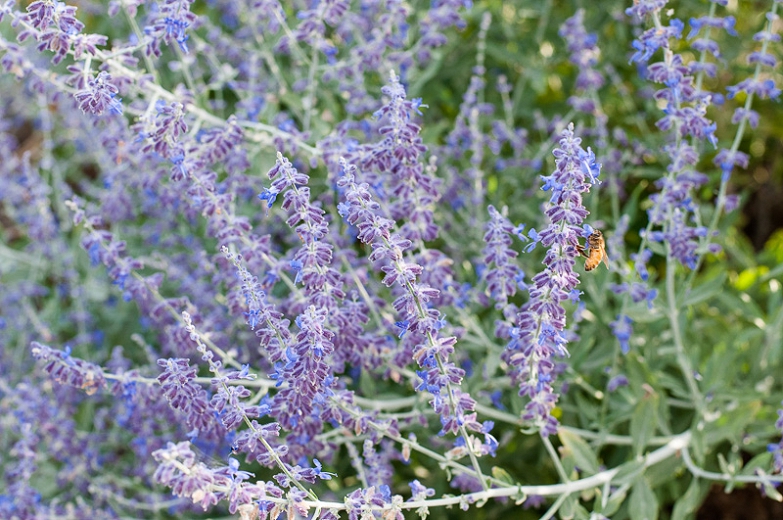
PEROVSKIA ATRIPLICIFOLIA is pure textural poetry. Imagine silvery-green foliage so fine and delicate it practically floats on the breeze, studded with countless tiny lavender-blue flowers that seem to hover like a cloud. The stems are gray and angular, adding interest even before the blooms arrive. This is not a plant that makes a bold splash—it’s one that catches you with its ethereal quality, the way afternoon light passes right through it, creating this luminous effect in the garden.
The flower spikes reach upward in a naturally airy form, rarely exceeding 4 feet tall but often spanning 3 feet wide. Everything about it feels looser and more romantic than structured borders, yet it never looks messy or out of place.
Growing it in your garden
Here’s what gardeners in Connecticut quickly discover: Russian Sage is refreshingly unfussy. It actually prefers lean, well-drained soil—it doesn’t want to be coddled or over-fertilized. In fact, richer soils can make it floppier and less impressive, so if you’ve got that sandy or gravelly corner that’s been hard to plant, this is your opportunity.
Full sun is essential—at least six hours daily, ideally more. This is where Russian Sage shines brightest. It needs good drainage; if you have clay soil, amend it heavily with compost or sand before planting. Once established, this plant becomes remarkably drought-tolerant, making it an excellent choice for water-conscious gardeners navigating New England’s increasingly variable summers.
Plant in spring after frost danger passes, giving it plenty of room to spread. Don’t crowd it with other plants—it needs air circulation and space to show off its airy form.
Through the seasons
Spring brings fresh silver-green foliage emerging from dormant wood. The stems begin their architectural display even before flowers appear. By early summer, those delicate flower spikes begin rising, and by July, you’re in full lavender-blue bloom that continues reliably through September and often into October, depending on frost timing.
Fall color is subtle but lovely—the flowers fade to pale lavender, and the foliage takes on warmer silvery tones. Leave the dried stems standing through winter; they provide structure and interest, plus they shelter pollinators. Cut the entire plant back to 8-12 inches in early spring when new growth appears—that’s really all the pruning it needs.
Where it shines
Russian Sage is made for mixed borders, where its airy texture doesn’t compete with neighboring plants but rather enhances them. Plant it toward the back or middle, where its height and transparency work in its favor. It’s perfect along sunny fences, in pollinator gardens, and in contemporary garden designs where that vertical, slightly architectural form is celebrated.
It’s also ideal for those Connecticut gardens with gravelly areas, exposed sunny spots, or places where you’re tired of having to water constantly. This is a plant for people who want impact without maintenance.
Perfect companions
Russian Sage pairs beautifully with other sun-loving, drought-tolerant plants. Try it with ornamental grasses like PANICUM or MISCANTHUS, which echo its vertical form and airy quality. Pair it with solid-blooming companions like NEPETA or SALVIA for color contrast. The silver foliage looks stunning next to deep purple flowers or golden foliage plants. Sedums, ALLIUMS, and late-blooming ECHINACEA all make excellent neighbors, creating a garden that feels cohesive and intentional.
Care tips
Water regularly during the first season to establish deep roots, then step back and let this plant’s drought tolerance take over. Deadheading spent flowers encourages continued blooming, but leaving them is equally lovely—the dried flowers have their own delicate appeal and feed the birds.
No staking needed in full sun with proper air circulation. If you notice excessive flopping, it’s usually a signal that the plant needs more light or the soil is too rich. Don’t be tempted to fertilize; this plant thrives on neglect.
Quick facts
- Hardiness Zone: Zones 5-9 (reliably hardy throughout Connecticut)
- Mature Height & Spread: 3-4 feet tall, 2-3 feet wide
- Bloom Season: July through October
- Light Requirements: Full sun (6+ hours daily)
- Water Needs: Moderate during establishment, then drought-tolerant once settled
- Available at: Both our retail and wholesale locations