
Description
PLATYCODON GRANDIFLORUS
What if one plant could deliver months of delicate charm, surprising balloon-like buds that fascinate both children and seasoned gardeners, and flowers so blue they seem borrowed from a summer sky? The Balloon Flower does exactly that. This quiet overachiever has been lighting up gardens across New England for generations, and once you see those distinctive inflated buds transform into star-shaped blooms, you’ll understand why gardeners keep coming back for more.
What it looks like
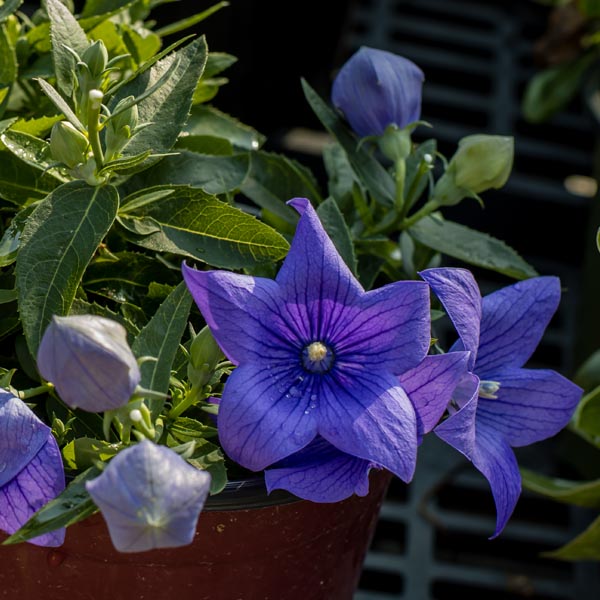
The magic of PLATYCODON GRANDIFLORUS begins long before the flowers open. In late spring, delicate stems emerge clothed in soft green leaves, and within weeks, perfectly round, balloon-like buds appear up and down the stems. These puffy little orbs are the plant’s signature feature—children love them, and honestly, adults do too. Then comes the reveal: each balloon splits open to release a perfectly formed, five-pointed star flower. The classic variety offers blooms in the most enchanting shade of blue-purple, though pink and white cultivars exist for those drawn to softer palettes. The flowers measure about two inches across and are held on sturdy, upright stems that typically reach 24 to 36 inches tall, depending on variety and growing conditions.
Growing it in your garden
Balloon Flowers are remarkably forgiving plants that thrive in Connecticut’s growing conditions with minimal fussing. They prefer full sun to part sun—at least six hours of direct light daily will keep them flowering prolifically. The key to success is well-draining soil; these plants dislike sitting in wet conditions and will sulk in poorly draining clay. If your garden has heavier soil, amend it with compost and consider planting on a slight mound to improve drainage. These are true perennials that return faithfully each spring, growing more robust with each passing year. They emerge quite late in spring—often not until May or even June in Connecticut—so mark their location so you don’t accidentally disturb them while spring gardening.
Through the seasons
Spring arrives, and you’ll wait patiently for those green shoots to break through the soil. Once they do, growth is steady and reliable. By early to mid-summer, the buds begin their balloon act, and by July, you’re surrounded by blooms. With deadheading—removing spent flowers—you can extend the bloom season into September and even October in milder Connecticut years. The flowers appreciate consistent moisture during active growth, though not waterlogged conditions. As fall approaches and temperatures cool, the foliage gradually fades to yellow before the plant dies back completely for winter. Leave the dried stems standing through fall; they provide subtle winter interest and shelter for beneficial insects.
Where it shines
Balloon Flowers are naturals in cottage gardens, perennial borders, and cutting gardens. They work beautifully in the middle or back row of a border where their height can be appreciated. They’re excellent for cut flowers—those balloon buds are especially charming in arrangements, and they’ll continue to open in the vase. Plant them in groupings of three to five for impact rather than scattered singly. They pair wonderfully with other summer bloomers that appreciate similar conditions, and they’re particularly striking when planted against darker foliage plants or mixed with silver-leaved companions.
Perfect companions
Balloon Flowers love sharing garden space with Daylilies, Russian Sage, and Coreopsis. They’re natural companions for ornamental grasses like Miscanthus and Panicum, which provide a soft backdrop and movement. In shadier spots, combine them with hostas and ferns. White-flowering plants like Phlox create stunning contrast with the deep blue Balloon Flowers, while pink cultivars blend beautifully with lavenders and other soft pastels.
Care tips
These are genuinely low-maintenance plants. Water regularly during dry spells, especially during the growing and blooming season, but allow the soil to dry somewhat between waterings. Fertilize lightly in spring with a balanced, slow-release fertilizer. Stake or support tall varieties if they’re in an exposed, windy location or if you want to keep them more compact. Deadhead spent blooms to encourage continuous flowering. In late fall, after the foliage has died back completely, you can cut the stems to the ground. Division is rarely necessary, but if you want to increase your plants, you can divide established clumps in early spring just as growth begins. These plants are trouble-free—no pests or diseases commonly bother them in New England.
Quick facts
- Hardiness Zone: 3-8 (thrives throughout Connecticut)
- Mature Height & Spread: 24-36 inches tall, 12-18 inches wide depending on variety
- Bloom Season: July through September
- Light Requirements: Full sun to part sun (6+ hours direct light)
- Water Needs: Moderate; consistent moisture but well-drained soil essential
- Available at: Both our retail and wholesale locations