
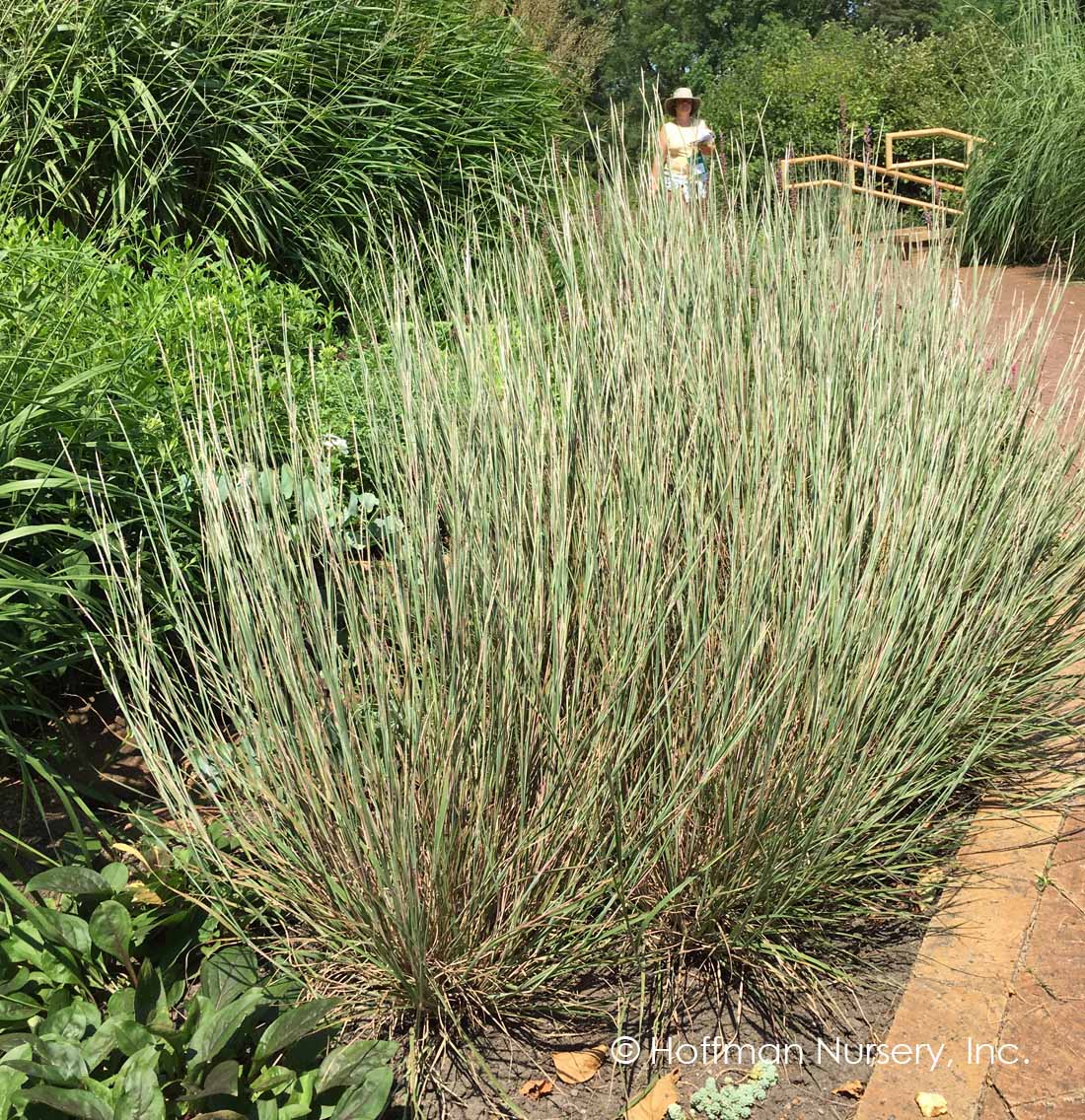
Description

SCHIZACHYRIUM SCOPARIUM
If you’ve been searching for a plant that captures the drama of autumn without demanding constant fussing, Little Bluestem is your answer. This native grass is like having a live watercolor painting in your garden—one that shifts and glows with the seasons, catching light in ways that make you stop and stare. It’s the kind of plant that makes gardeners look smarter than they actually are, because it does all the heavy lifting while you simply enjoy the show.
What it looks like
Picture fine, delicate foliage that starts the season dressed in soft blue-green tones, earning this plant its common name. But here’s where the magic really happens: as temperatures drop in fall, Little Bluestem transforms into something almost unreal. The entire plant blushes burgundy, rust, and copper—a color shift so complete and dramatic that you’d swear someone hand-painted every blade. The foliage reaches upward in an airy, fountain-like form, creating movement and texture even when nothing else in your garden is moving. Winter brings silvery seed heads that catch frost and morning light, extending the show well into the cold months. It’s elegant without being fussy, architectural without being severe.
Growing it in your garden
Little Bluestem is practically made for Connecticut gardens. It’s a native grass that thrives in our climate with almost no fussing required. Plant it in full sun—and this plant really means full sun, not the “afternoon sun counts” kind—where it’ll develop that rich color intensification. While it prefers well-drained soil, it’s remarkably adaptable and will even tolerate sandy, rocky, or poor soils that would defeat other plants. In fact, the less coddled it is, the more intense its fall colors become. It actually performs better in lean conditions than in rich, overly amended soil. This is a plant that rewards restraint.
Through the seasons
Spring brings delicate new growth, emerging in soft green tones. By early summer, Little Bluestem settles into its cool blue-green identity, creating a calm, almost silvery effect in the garden. The flowers appear in mid-to-late summer as airy, feathery plumes in a warm reddish-purple tone—these aren’t showy, but they’re quietly beautiful and absolutely beloved by pollinators. Then comes the show-stopper: autumn color that arrives reliably each year and intensifies with cold nights. The burgundy and copper persist through much of winter, fading to pale tan and cream by late season. Those persistent seed heads provide food for birds and architectural interest during the dormant months.
Where it shines
Little Bluestem is at home in rain gardens and bioswales, where its deep root system helps with erosion control and soil stabilization. It’s perfect for meadow-style plantings and native plant gardens. Use it as a textural accent in perennial borders, where its vertical movement contrasts beautifully with rounded forms. It’s stunning in mass plantings where the cumulative color impact stops traffic. It thrives in challenging spots—dry hillsides, tough sun-baked areas, even sandy soils near roads. In New England, it’s one of the most reliable native grasses for consistent performance and autumn color.
Perfect companions
Pair Little Bluestem with other sun-loving natives like Black-eyed Susan (RUDBECKIA FULGIDA), Blazing Star (LIATRIS SPICATA), and Purple Coneflower (ECHINACEA PURPUREA) for a pollinator-friendly planting scheme. Its vertical lines look wonderful against the daisy-like forms of these companions. Combine it with Autumn Sage (SALVIA GREGGII) for extended blooming. For foliage contrast, interplant with Sedum ‘Autumn Fire’ or ornamental onions. In a more refined setting, try it with Catmint (NEPETA) and Russian Sage (PEROVSKIA ATRIPLICIFOLIA) for a sophisticated color palette.
Care tips
Here’s the beautiful part: Little Bluestem wants very little from you. Plant it in spring or early fall, water regularly through the first season while it establishes a deep root system, then step back. Don’t deadhead the flowers—you want those seed heads developing for autumn and winter interest. Leave the foliage standing through winter; it’s beautiful and provides shelter for overwintering insects. In late winter or early spring, before new growth emerges, cut the entire plant back to 3-4 inches tall. Don’t fertilize—in fact, poor soil produces the best color. It’s drought-tolerant once established, rarely bothered by pests or disease, and utterly reliable.
Quick facts
- Hardiness Zone: 3-9
- Mature Height & Spread: 2-3 feet tall, 1-2 feet wide
- Bloom Season: Mid-summer to early fall
- Light Requirements: Full sun (6+ hours daily)
- Water Needs: Low once established; moderate during first season
- Available at: Both our retail and wholesale locations