Golden Rod

SOLIDAGO VIRGAUREA

Here’s the honest truth about Goldenrod: most people blame it for their fall allergies when the real culprit is ragweed. Once you know that, you can finally appreciate this native New England superstar for what it truly is—a late-season nectar factory that keeps butterflies, bees, and hummingbirds fueled right through October. There’s something deeply satisfying about growing a plant that everyone else overlooks, especially when that plant is this effortlessly beautiful and genuinely useful to wildlife.

What it looks like

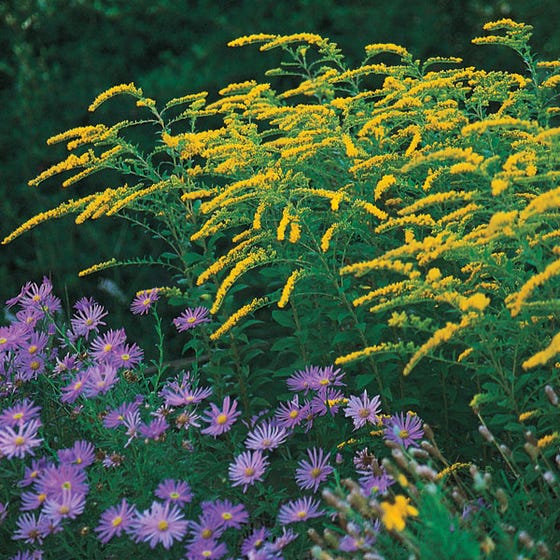
Goldenrod is pure autumn gold made into a plant. Tall, sturdy stems rise clothed in narrow green leaves, and by late summer they’re topped with feathery plumes of tiny golden-yellow flowers that create a cloud-like effect in the garden. The flowers don’t all bloom at once—they open gradually from bottom to top, extending the show for weeks. The overall effect is airy and naturalistic rather than stiff or formal, which is exactly what makes it so charming. Heights vary by variety, but you’ll typically see plants ranging from 18 inches to 3 feet tall, depending on growing conditions and cultivar.

Growing it in your garden

Goldenrod is genuinely one of the most forgiving plants you can grow in Connecticut. It thrives in full sun and well-draining soil, but it’s remarkably adaptable—it’ll tolerate part shade, sandy soil, even poor soil that would make other perennials sulk. Once established, it’s drought-tolerant and doesn’t demand rich amendments or constant fussing. Plant it in spring or early fall, giving it room to spread naturally. In rich, heavily fertilized soil, goldenrod sometimes gets leggy or flops over, so resist the urge to pamper it. This is one situation where “benign neglect” actually works better than TLC.

Through the seasons

Spring brings fresh green foliage and growing stems. By early summer, you’ll see visible height increase, with the plant developing a fuller, bushier form. Late July through August is when the magic happens—those characteristic golden flower plumes emerge and gradually open over the following weeks. The flowers last well into October or even November in a good year, providing crucial late-season food for migrating monarchs and other pollinators preparing for winter. After frost, the dried seed heads add textural interest to the winter garden and provide seed for birds. Cut it back in early spring, or leave it standing for winter interest and wildlife habitat.

Where it shines

This is a plant for borders, meadow gardens, and naturalistic plantings. Use it as a backdrop for lower-growing perennials, or mass it in groups of three or more for real impact. Goldenrod is especially valuable in native plant gardens and pollinator gardens, where it becomes a true workhorse. It’s wonderful along the edges of woodland areas, in prairie-style plantings, or in that tricky spot where nothing else seems to thrive. The flowers are also excellent for cutting—goldenrod brings late-season color to bouquets and dries beautifully for arrangements.

Perfect companions

Pair goldenrod with asters for a stunning late-summer combo that looks like you planned it perfectly. Add purple coneflowers, black-eyed Susans, and Russian sage in the mid-border for contrasting colors and textures. In fall combinations, combine it with ornamental grasses like Panicum or Miscanthus, which echo its vertical habit. Purple joe-pye weed (EUTROCHIUM) creates lovely color contrast, as do late-blooming salvias. For a wilder look, mix it with native milkweed species—the two plants support the same pollinators and bloom in the same timeframe.

Care tips

Deadheading isn’t necessary unless you’re trying to prevent self-seeding, though goldenrod’s self-sown seedlings are generally welcome. Divide established clumps in spring every 3-4 years to keep plants vigorous and prevent overcrowding. If you find your goldenrod getting too tall or flopping, cut the stems back by about one-third in early June—this encourages bushier growth and shorter plants that stand up better without staking. Water deeply after planting, then rely on rainfall for established plants. No serious pests or diseases bother goldenrod in Connecticut gardens.

Quick facts

  • Hardiness Zone: Zones 3-9 (thrives throughout Connecticut)
  • Mature Height & Spread: 18-36 inches tall, 18-24 inches wide (varies by variety)
  • Bloom Season: Late July through November
  • Light Requirements: Full sun to part shade
  • Water Needs: Low to moderate; drought-tolerant once established
  • Available at: Both our retail and wholesale locations

Golden Rod

Fireworks is well named. In late summer, the bright yellow sprays of tiny flowers look just like an exploding skyrocket on the 4th of July. A tall sturdy grower, it is a great companion for ornamental grasses and other late summer blooming perennials.

Pot Size (gallons), Height: #1

Description

Golden Rod

SOLIDAGO VIRGAUREA

Here’s the honest truth about Goldenrod: most people blame it for their fall allergies when the real culprit is ragweed. Once you know that, you can finally appreciate this native New England superstar for what it truly is—a late-season nectar factory that keeps butterflies, bees, and hummingbirds fueled right through October. There’s something deeply satisfying about growing a plant that everyone else overlooks, especially when that plant is this effortlessly beautiful and genuinely useful to wildlife.

What it looks like

Goldenrod is pure autumn gold made into a plant. Tall, sturdy stems rise clothed in narrow green leaves, and by late summer they’re topped with feathery plumes of tiny golden-yellow flowers that create a cloud-like effect in the garden. The flowers don’t all bloom at once—they open gradually from bottom to top, extending the show for weeks. The overall effect is airy and naturalistic rather than stiff or formal, which is exactly what makes it so charming. Heights vary by variety, but you’ll typically see plants ranging from 18 inches to 3 feet tall, depending on growing conditions and cultivar.

Growing it in your garden

Goldenrod is genuinely one of the most forgiving plants you can grow in Connecticut. It thrives in full sun and well-draining soil, but it’s remarkably adaptable—it’ll tolerate part shade, sandy soil, even poor soil that would make other perennials sulk. Once established, it’s drought-tolerant and doesn’t demand rich amendments or constant fussing. Plant it in spring or early fall, giving it room to spread naturally. In rich, heavily fertilized soil, goldenrod sometimes gets leggy or flops over, so resist the urge to pamper it. This is one situation where “benign neglect” actually works better than TLC.

Through the seasons

Spring brings fresh green foliage and growing stems. By early summer, you’ll see visible height increase, with the plant developing a fuller, bushier form. Late July through August is when the magic happens—those characteristic golden flower plumes emerge and gradually open over the following weeks. The flowers last well into October or even November in a good year, providing crucial late-season food for migrating monarchs and other pollinators preparing for winter. After frost, the dried seed heads add textural interest to the winter garden and provide seed for birds. Cut it back in early spring, or leave it standing for winter interest and wildlife habitat.

Where it shines

This is a plant for borders, meadow gardens, and naturalistic plantings. Use it as a backdrop for lower-growing perennials, or mass it in groups of three or more for real impact. Goldenrod is especially valuable in native plant gardens and pollinator gardens, where it becomes a true workhorse. It’s wonderful along the edges of woodland areas, in prairie-style plantings, or in that tricky spot where nothing else seems to thrive. The flowers are also excellent for cutting—goldenrod brings late-season color to bouquets and dries beautifully for arrangements.

Perfect companions

Pair goldenrod with asters for a stunning late-summer combo that looks like you planned it perfectly. Add purple coneflowers, black-eyed Susans, and Russian sage in the mid-border for contrasting colors and textures. In fall combinations, combine it with ornamental grasses like Panicum or Miscanthus, which echo its vertical habit. Purple joe-pye weed (EUTROCHIUM) creates lovely color contrast, as do late-blooming salvias. For a wilder look, mix it with native milkweed species—the two plants support the same pollinators and bloom in the same timeframe.

Care tips

Deadheading isn’t necessary unless you’re trying to prevent self-seeding, though goldenrod’s self-sown seedlings are generally welcome. Divide established clumps in spring every 3-4 years to keep plants vigorous and prevent overcrowding. If you find your goldenrod getting too tall or flopping, cut the stems back by about one-third in early June—this encourages bushier growth and shorter plants that stand up better without staking. Water deeply after planting, then rely on rainfall for established plants. No serious pests or diseases bother goldenrod in Connecticut gardens.

Quick facts

  • Hardiness Zone: Zones 3-9 (thrives throughout Connecticut)
  • Mature Height & Spread: 18-36 inches tall, 18-24 inches wide (varies by variety)
  • Bloom Season: Late July through November
  • Light Requirements: Full sun to part shade
  • Water Needs: Low to moderate; drought-tolerant once established
  • Available at: Both our retail and wholesale locations