STYRAX JAPONICA ‘WHITE KNIGHT’

What if one plant could give you delicate spring flowers, architectural branches, and a silhouette that stops you mid-stride even in winter? The White Knight Japanese Snowbell is exactly that kind of overachiever—a small tree that brings understated elegance to Connecticut gardens without demanding constant attention. This cultivar is a refined improvement on an already lovely species, selected specifically for its vigorous growth habit and abundant white bell-shaped flowers that seem to float beneath the canopy like tiny ornaments. If you’ve been looking for something that performs beautifully in our New England climate while adding year-round interest, keep reading.

What it looks like

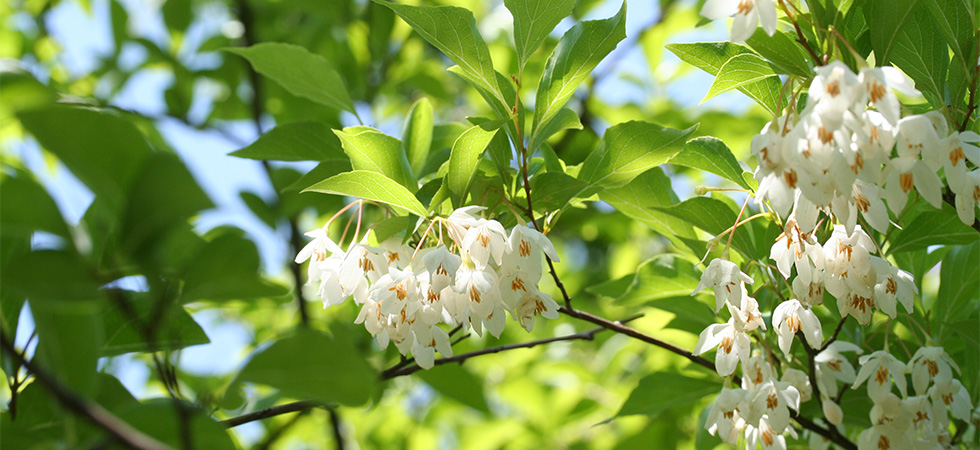
The White Knight is a graceful small tree with a naturally spreading, multi-stemmed habit that creates that prized “architectural interest” garden designers talk about. In spring, it’s absolutely showstopping: pendulous clusters of pure white, fragrant bell flowers drape from the branches like miniature wind chimes. These blooms are slightly larger and more abundant than the species, which is why this cultivar earned its knightly name. The medium-green leaves are oval and finely textured, providing a soft, refined backdrop to the flowers. Come fall, the foliage transitions to warm golden tones before dropping, revealing those beautiful gray-brown branches that make winter gardening worth your while. The overall form is vase-like and open, so you get dappled shade rather than dense coverage—perfect if you want to tuck shade-lovers underneath without creating a dark tunnel.

Growing it in your garden

Here’s the honest truth: the White Knight Japanese Snowbell is easier to grow than you might think for something this beautiful. It’s perfectly hardy throughout Connecticut (Zones 5-8), and once established, it handles our unpredictable spring weather and hot summers with composure. The key is giving it the right home at the start. Choose a spot with afternoon shade or dappled light—morning sun is fine, even desirable, but harsh afternoon exposure in summer can stress it. This isn’t a tree for deep shade, though. It needs enough light to produce those abundant flowers.

Soil-wise, the White Knight prefers slightly acidic, well-draining conditions, which is great news if you have naturally acidic Connecticut soil. It’s not fussy about fertility, but it does appreciate soil that holds a bit of moisture without becoming waterlogged. Plant it in a spot that won’t flood during our occasional heavy spring rains, but don’t plant it in parched, compacted areas either. Mulch around the base to keep roots cool and retain moisture, especially for the first couple of seasons.

Through the seasons

Spring is when this tree shows off. Depending on your part of Connecticut and the weather, fragrant white flowers typically appear in May, often persisting into early June. This is a pollinator magnet—bees and other insects love it. Summer brings reliable green foliage and that dappled-shade benefit. The tree’s open structure means you’ll actually enjoy air movement and light filtering through, which keeps everything feeling fresh and prevents the dense, airless feel of heavier canopied trees. By early fall, golden tones appear, creating a warm transition season before leaf drop. Winter reveals the true skeleton of the tree—those elegant branching patterns that prove why winter landscapes matter. Snow or frost clinging to those branches is honestly picture-perfect.

Where it shines

The White Knight performs beautifully as a specimen tree in a cottage garden or more formal setting. Its refined habit makes it ideal for smaller properties where a large canopy tree might overwhelm the space. Plant it where you can enjoy those spring flowers and fragrance from a window or seating area. It’s also wonderful as part of a mixed shrub border, where it adds height and structure without dominating. If you’re creating a woodland edge or transitional space between your lawn and deeper shade, this tree bridges that gap gracefully. The dappled shade it creates is ideal for underplanting with shade-tolerant shade-lovers like HOSTA, HELLEBORES, and spring ephemerals.

Perfect companions

Plant the White Knight where it can be paired with shade-tolerant understory plants. JAPANESE FOREST GRASS creates beautiful movement beneath it, while shade-loving ASTILBE echoes the delicate, feathery quality of the snowbell’s flowers. Evergreen companions like SKIMMIA and OSMANTHUS provide winter structure when the snowbell is bare. Spring bulbs like CYCLAMEN and ERYTHRONIUM thrive in the dappled shade. For larger combinations, consider pairing it with OAKLEAF HYDRANGEA or BOTTLEBRUSH BUCKEYE for a multi-season shrub border with complementary flower times.

Care tips

Water regularly during the first two seasons until the tree is established—this is non-negotiable in Connecticut’s sometimes-dry summers. Thereafter, it’s fairly drought-tolerant once roots are deep. Minimal pruning is needed; the natural form is part of its appeal. Remove any crossing branches or awkward growth in late winter if necessary. No serious pests or diseases plague this tree in our region. Fertilizer isn’t necessary unless your soil is depleted; it actually prefers a leaner diet to excessive nitrogen, which can promote foliage at the expense of flowers.

Quick facts

  • Hardiness Zone: 5-8 (reliably hardy throughout Connecticut)
  • Mature Height & Spread: 20-25 feet tall and wide
  • Bloom Season: May-June
  • Light Requirements: Dappled shade to afternoon shade; needs some morning sun
  • Water Needs: Moderate; consistent moisture preferred, especially when young
  • Available at: Both our retail and wholesale locations

White Knight ‘ Japanese Snowbell

The Japanese Snowbell, with its dainty flowers, graceful canopy and moderate size is surprisingly easy to care for and makes a wonderful statement in late Spring and early Summer. It makes a great addition to a landscape bed or a patio garden and adds beauty and welcome shade wherever you end up putting it.

Pot Size (gallons), Height: 8-10′

Description

STYRAX JAPONICA ‘WHITE KNIGHT’

What if one plant could give you delicate spring flowers, architectural branches, and a silhouette that stops you mid-stride even in winter? The White Knight Japanese Snowbell is exactly that kind of overachiever—a small tree that brings understated elegance to Connecticut gardens without demanding constant attention. This cultivar is a refined improvement on an already lovely species, selected specifically for its vigorous growth habit and abundant white bell-shaped flowers that seem to float beneath the canopy like tiny ornaments. If you’ve been looking for something that performs beautifully in our New England climate while adding year-round interest, keep reading.

What it looks like

The White Knight is a graceful small tree with a naturally spreading, multi-stemmed habit that creates that prized “architectural interest” garden designers talk about. In spring, it’s absolutely showstopping: pendulous clusters of pure white, fragrant bell flowers drape from the branches like miniature wind chimes. These blooms are slightly larger and more abundant than the species, which is why this cultivar earned its knightly name. The medium-green leaves are oval and finely textured, providing a soft, refined backdrop to the flowers. Come fall, the foliage transitions to warm golden tones before dropping, revealing those beautiful gray-brown branches that make winter gardening worth your while. The overall form is vase-like and open, so you get dappled shade rather than dense coverage—perfect if you want to tuck shade-lovers underneath without creating a dark tunnel.

Growing it in your garden

Here’s the honest truth: the White Knight Japanese Snowbell is easier to grow than you might think for something this beautiful. It’s perfectly hardy throughout Connecticut (Zones 5-8), and once established, it handles our unpredictable spring weather and hot summers with composure. The key is giving it the right home at the start. Choose a spot with afternoon shade or dappled light—morning sun is fine, even desirable, but harsh afternoon exposure in summer can stress it. This isn’t a tree for deep shade, though. It needs enough light to produce those abundant flowers.

Soil-wise, the White Knight prefers slightly acidic, well-draining conditions, which is great news if you have naturally acidic Connecticut soil. It’s not fussy about fertility, but it does appreciate soil that holds a bit of moisture without becoming waterlogged. Plant it in a spot that won’t flood during our occasional heavy spring rains, but don’t plant it in parched, compacted areas either. Mulch around the base to keep roots cool and retain moisture, especially for the first couple of seasons.

Through the seasons

Spring is when this tree shows off. Depending on your part of Connecticut and the weather, fragrant white flowers typically appear in May, often persisting into early June. This is a pollinator magnet—bees and other insects love it. Summer brings reliable green foliage and that dappled-shade benefit. The tree’s open structure means you’ll actually enjoy air movement and light filtering through, which keeps everything feeling fresh and prevents the dense, airless feel of heavier canopied trees. By early fall, golden tones appear, creating a warm transition season before leaf drop. Winter reveals the true skeleton of the tree—those elegant branching patterns that prove why winter landscapes matter. Snow or frost clinging to those branches is honestly picture-perfect.

Where it shines

The White Knight performs beautifully as a specimen tree in a cottage garden or more formal setting. Its refined habit makes it ideal for smaller properties where a large canopy tree might overwhelm the space. Plant it where you can enjoy those spring flowers and fragrance from a window or seating area. It’s also wonderful as part of a mixed shrub border, where it adds height and structure without dominating. If you’re creating a woodland edge or transitional space between your lawn and deeper shade, this tree bridges that gap gracefully. The dappled shade it creates is ideal for underplanting with shade-tolerant shade-lovers like HOSTA, HELLEBORES, and spring ephemerals.

Perfect companions

Plant the White Knight where it can be paired with shade-tolerant understory plants. JAPANESE FOREST GRASS creates beautiful movement beneath it, while shade-loving ASTILBE echoes the delicate, feathery quality of the snowbell’s flowers. Evergreen companions like SKIMMIA and OSMANTHUS provide winter structure when the snowbell is bare. Spring bulbs like CYCLAMEN and ERYTHRONIUM thrive in the dappled shade. For larger combinations, consider pairing it with OAKLEAF HYDRANGEA or BOTTLEBRUSH BUCKEYE for a multi-season shrub border with complementary flower times.

Care tips

Water regularly during the first two seasons until the tree is established—this is non-negotiable in Connecticut’s sometimes-dry summers. Thereafter, it’s fairly drought-tolerant once roots are deep. Minimal pruning is needed; the natural form is part of its appeal. Remove any crossing branches or awkward growth in late winter if necessary. No serious pests or diseases plague this tree in our region. Fertilizer isn’t necessary unless your soil is depleted; it actually prefers a leaner diet to excessive nitrogen, which can promote foliage at the expense of flowers.

Quick facts

  • Hardiness Zone: 5-8 (reliably hardy throughout Connecticut)
  • Mature Height & Spread: 20-25 feet tall and wide
  • Bloom Season: May-June
  • Light Requirements: Dappled shade to afternoon shade; needs some morning sun
  • Water Needs: Moderate; consistent moisture preferred, especially when young
  • Available at: Both our retail and wholesale locations