AUCUBA JAPONICA ‘AUREOMARGINATA’

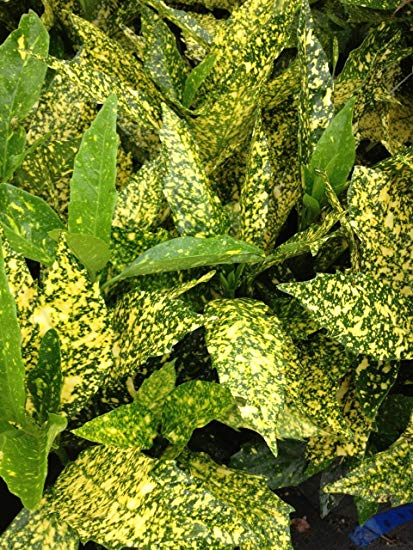
What if you could paint your shadiest corner with living gold? AUCUBA JAPONICA ‘AUREOMARGINATA’, commonly called Gold Dust, is exactly that—a shrub that seems to glow from within, even when surrounded by the deepest shade. Those glossy leaves aren’t just green; they’re generously splattered and edged with bright yellow variegation that catches light like actual flecks of precious metal. This Japanese native brings an almost tropical exuberance to Connecticut gardens, proving that shade doesn’t have to mean dull.

What it looks like

Gold Dust is an evergreen shrub with a naturally full, compact habit that reaches about 6 to 8 feet tall and wide at maturity, though you can easily shape it smaller with pruning. The real magic lives in those leathery, deep green leaves—each one boldly spotted and edged with golden yellow variegation that makes them instantly recognizable. In spring, tiny burgundy flowers appear (mostly hidden by foliage, but appreciated by those who look closely), followed by glossy red berries in fall on female plants—provided you have both male and female specimens for pollination. The berries persist through winter, adding another layer of visual interest when most plants are sleeping.

Growing it in your garden

Here’s what makes Gold Dust such a practical choice for New England gardeners: it actually thrives in shade. Deep, dappled shade, full shade—it adapts beautifully. While it’ll tolerate sun, the foliage is most vibrant in partial to full shade where the yellow variegation really pops without bleaching. It prefers moist, well-draining soil and appreciates some organic matter worked in at planting time. AUCUBA JAPONICA ‘AUREOMARGINATA’ isn’t fussy about soil pH, making it forgiving in Connecticut’s variable conditions. Plant it where you’d like year-round structure and color without fighting the sun.

Through the seasons

Spring brings fresh green growth with those golden markings, plus those delicate burgundy flowers if you look closely. Summer is when Gold Dust truly earns its keep—while deciduous shrubs wilt in the heat, this evergreen maintains its jewel-like appearance and cheerful variegation. Fall and winter reveal a different kind of beauty: the foliage deepens slightly, the red berries hang like ornaments, and when everything else is brown and bare, Gold Dust’s bright yellow-spotted leaves are a genuine beacon in the winter garden. It won’t shed, won’t disappoint, won’t fade to gray like some evergreens do.

Where it shines

This is your answer for that impossible spot beneath a large maple or evergreen where nothing else has thrived. Use it as an anchor shrub in a shade border, where its bright variegation prevents the whole planting from looking dark and gloomy. It’s exceptional in foundation plantings, where its compact size and year-round visual interest outperform most other shade-loving shrubs. Gold Dust also works beautifully in containers on shaded patios—where you can enjoy those variegated leaves up close. Pair it with hostas and ferns for textural contrast, or use it as a bright counterpoint to darker foliage plants. In a Japanese-inspired garden, it’s right at home. Even in a modern landscape looking for evergreen structure, it provides clean lines with unexpected color.

Perfect companions

Gold Dust is a team player. Underplant it with shade-tolerant groundcovers like Japanese forest grass or hellebores to soften its base. Hosta varieties, particularly dark-leaved cultivars, make stunning companions that let the Gold Dust’s variegation shine even brighter. Pair it with other shade shrubs like ILEX GLABRA (inkberry holly) or native ILEX VERTICILLATA (winterberry) for structural variety. In spring, surround it with shade-loving bulbs like hellebores and bleeding heart. The cool blues of hydrangeas offer nice color contrast if you have partial shade available.

Care tips

Gold Dust is remarkably low-maintenance once established. Water regularly the first season, then it’s quite drought-tolerant. It prefers consistent moisture, but it’s forgiving. No significant pest or disease problems plague it in Connecticut. Light pruning keeps it shaped and full; hard pruning in early spring rejuvenates older plants beautifully. Fertilizing isn’t usually necessary if you’ve amended the planting hole with compost, but a balanced slow-release fertilizer in spring supports vigorous growth. The yellow variegation is most intense in good light (even if shade)—it’s genetic, not something that fades.

Quick facts

  • Hardiness Zone: 7-11 (reliably hardy throughout Connecticut)
  • Mature Height & Spread: 6-8 feet tall and wide (easily pruned smaller)
  • Bloom Season: Spring (flowers); berries persist fall through winter
  • Light Requirements: Partial to full shade; thrives where other shrubs struggle
  • Water Needs: Moderate; prefers moist, well-draining soil; drought-tolerant once established
  • Available at: Both our retail and wholesale locations.

Gold Dust

Category:

There’s something almost magical about a plant that thrives in deep shade — and does so while looking like it’s been dusted with gold. The Gold Dust Aucuba is one of those rare shrubs that actually pr…

Description

AUCUBA JAPONICA ‘AUREOMARGINATA’

What if you could paint your shadiest corner with living gold? AUCUBA JAPONICA ‘AUREOMARGINATA’, commonly called Gold Dust, is exactly that—a shrub that seems to glow from within, even when surrounded by the deepest shade. Those glossy leaves aren’t just green; they’re generously splattered and edged with bright yellow variegation that catches light like actual flecks of precious metal. This Japanese native brings an almost tropical exuberance to Connecticut gardens, proving that shade doesn’t have to mean dull.

What it looks like

Gold Dust is an evergreen shrub with a naturally full, compact habit that reaches about 6 to 8 feet tall and wide at maturity, though you can easily shape it smaller with pruning. The real magic lives in those leathery, deep green leaves—each one boldly spotted and edged with golden yellow variegation that makes them instantly recognizable. In spring, tiny burgundy flowers appear (mostly hidden by foliage, but appreciated by those who look closely), followed by glossy red berries in fall on female plants—provided you have both male and female specimens for pollination. The berries persist through winter, adding another layer of visual interest when most plants are sleeping.

Growing it in your garden

Here’s what makes Gold Dust such a practical choice for New England gardeners: it actually thrives in shade. Deep, dappled shade, full shade—it adapts beautifully. While it’ll tolerate sun, the foliage is most vibrant in partial to full shade where the yellow variegation really pops without bleaching. It prefers moist, well-draining soil and appreciates some organic matter worked in at planting time. AUCUBA JAPONICA ‘AUREOMARGINATA’ isn’t fussy about soil pH, making it forgiving in Connecticut’s variable conditions. Plant it where you’d like year-round structure and color without fighting the sun.

Through the seasons

Spring brings fresh green growth with those golden markings, plus those delicate burgundy flowers if you look closely. Summer is when Gold Dust truly earns its keep—while deciduous shrubs wilt in the heat, this evergreen maintains its jewel-like appearance and cheerful variegation. Fall and winter reveal a different kind of beauty: the foliage deepens slightly, the red berries hang like ornaments, and when everything else is brown and bare, Gold Dust’s bright yellow-spotted leaves are a genuine beacon in the winter garden. It won’t shed, won’t disappoint, won’t fade to gray like some evergreens do.

Where it shines

This is your answer for that impossible spot beneath a large maple or evergreen where nothing else has thrived. Use it as an anchor shrub in a shade border, where its bright variegation prevents the whole planting from looking dark and gloomy. It’s exceptional in foundation plantings, where its compact size and year-round visual interest outperform most other shade-loving shrubs. Gold Dust also works beautifully in containers on shaded patios—where you can enjoy those variegated leaves up close. Pair it with hostas and ferns for textural contrast, or use it as a bright counterpoint to darker foliage plants. In a Japanese-inspired garden, it’s right at home. Even in a modern landscape looking for evergreen structure, it provides clean lines with unexpected color.

Perfect companions

Gold Dust is a team player. Underplant it with shade-tolerant groundcovers like Japanese forest grass or hellebores to soften its base. Hosta varieties, particularly dark-leaved cultivars, make stunning companions that let the Gold Dust’s variegation shine even brighter. Pair it with other shade shrubs like ILEX GLABRA (inkberry holly) or native ILEX VERTICILLATA (winterberry) for structural variety. In spring, surround it with shade-loving bulbs like hellebores and bleeding heart. The cool blues of hydrangeas offer nice color contrast if you have partial shade available.

Care tips

Gold Dust is remarkably low-maintenance once established. Water regularly the first season, then it’s quite drought-tolerant. It prefers consistent moisture, but it’s forgiving. No significant pest or disease problems plague it in Connecticut. Light pruning keeps it shaped and full; hard pruning in early spring rejuvenates older plants beautifully. Fertilizing isn’t usually necessary if you’ve amended the planting hole with compost, but a balanced slow-release fertilizer in spring supports vigorous growth. The yellow variegation is most intense in good light (even if shade)—it’s genetic, not something that fades.

Quick facts

  • Hardiness Zone: 7-11 (reliably hardy throughout Connecticut)
  • Mature Height & Spread: 6-8 feet tall and wide (easily pruned smaller)
  • Bloom Season: Spring (flowers); berries persist fall through winter
  • Light Requirements: Partial to full shade; thrives where other shrubs struggle
  • Water Needs: Moderate; prefers moist, well-draining soil; drought-tolerant once established
  • Available at: Both our retail and wholesale locations.