
Description

ILEX GLABRA ‘WINTER GEM’
If you’ve been searching for something that handles wet soil, deep shade, and Connecticut winters without complaint, Winter Gem Inkberry has been waiting for you. This is the holly that doesn’t demand constant attention, doesn’t sulk in shade, and rewards you with glossy, evergreen foliage from January through December. Unlike some hollies that need you to plant both male and female plants for berries, Winter Gem does its own thing—naturally berry-free, which means no mess, just pristine green leaves year-round. It’s the kind of plant that makes gardeners look like they actually know what they’re doing, even when they’re just following simple instincts.
What it looks like
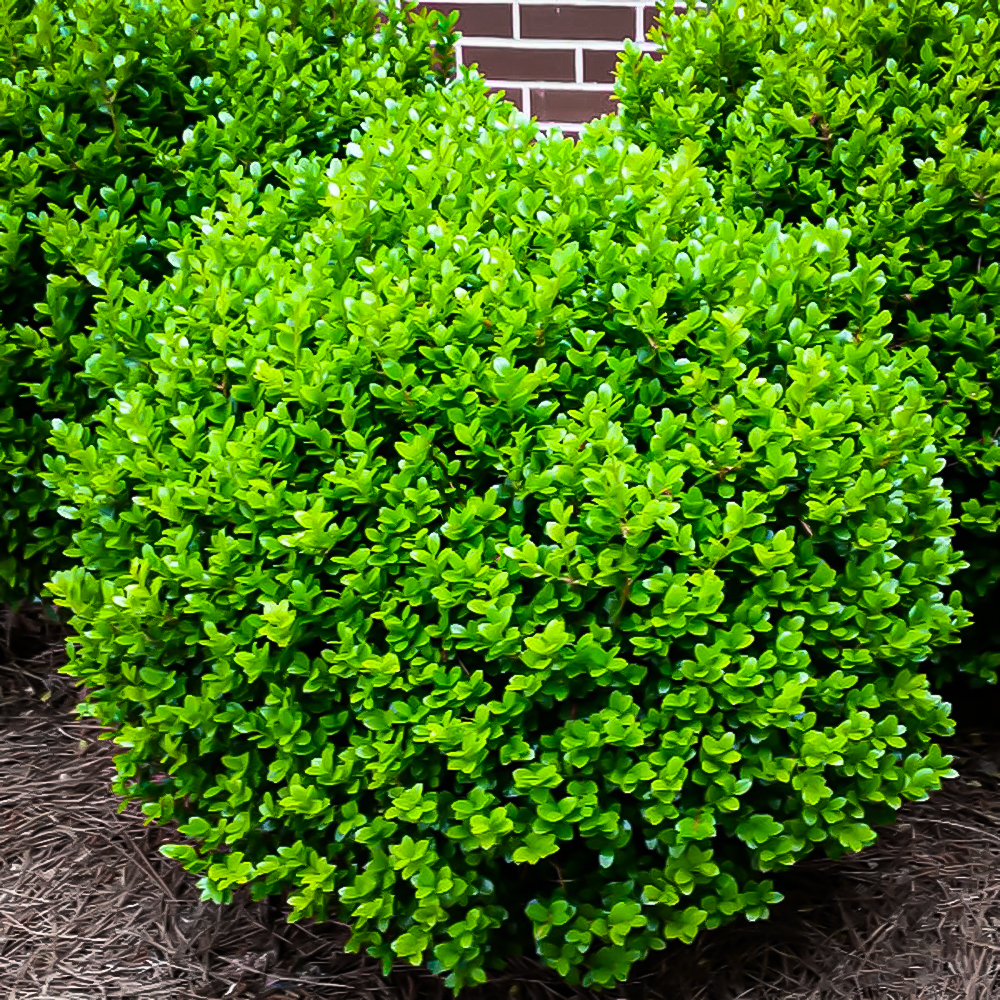
Winter Gem is a compact, upright evergreen with a naturally dense habit that needs minimal pruning to look polished. The leaves are small and finely textured, a rich dark green that practically glows in winter’s pale light. You’ll notice how tightly the foliage clings to the branches—that’s what gives this plant such a neat, almost architectural appearance even in its dormant season. The form is tidy without being stiff, elegant without being fussy. It grows in a columnar shape that fits perfectly into modern landscapes or classic New England gardens alike.
Growing it in your garden
Here’s what makes Winter Gem such a reliable performer: it’s genuinely unfussy about soil. Whether you’re working with the clay-heavy earth common in western Connecticut or sandier soil closer to the coast, this holly adapts beautifully. It actually thrives in wet conditions—those boggy spots where other plants flounder are exactly where Winter Gem feels at home. Shade is not a problem; full sun is not a problem. It’s one of those rare plants that performs well across a spectrum of conditions. Plant it with confidence in damp woodland edges, rain gardens, or dense understory positions. The salt tolerance is another bonus for those of us dealing with winter road spray or coastal winds.
Through the seasons
Spring brings gentle new growth in a slightly lighter shade of green—a subtle refresh that barely interrupts the plant’s composure. Summer finds Winter Gem unfazed by heat and humidity, maintaining its dark, polished appearance without stress. Fall arrives without any dramatic color change, which is precisely the point—you get evergreen consistency when so many other plants are throwing tantrums about the season. Winter is where this plant truly shines. While deciduous trees bare themselves and evergreens often look tired by January, Winter Gem looks as good in February as it did in June. That glossy foliage catches whatever light is available on those short winter days and almost seems to glow against the snow.
Where it shines
Winter Gem is exceptional in foundation plantings where you need year-round structure and color. Use it in groups of three or five for a strong architectural statement, or plant it as a vertical accent among lower-growing plants. It’s outstanding in rain gardens and bioswales because it actually improves in wet conditions rather than merely tolerating them. The compact form also makes it perfect for screening in smaller spaces—you get privacy without the footprint of a sprawling shrub. Many Connecticut gardeners use Winter Gem to create evergreen backbone plantings that work beautifully with seasonal perennials and flowering shrubs planted in front.
Perfect companions
Winter Gem plays well with others. Its cool evergreen formality pairs beautifully with the warm-season interest of ornamental grasses like MISCANTHUS or PANICUM. Underplant it with shade-tolerant groundcovers such as HELLEBORUS or ASARUM for visual softness. Deciduous shrubs like VIBURNUM or HYDRANGEA benefit from Winter Gem’s backdrop of winter structure. Shade-loving perennials including HELLEBORE, HEUCHERA, and EPIMEDIUM all appreciate the same moist soil conditions that Winter Gem prefers. The combination creates layers of interest across all four seasons.
Care tips
Winter Gem is genuinely low-maintenance once established. Water regularly during the first year to help develop a strong root system, especially important during dry spells in Connecticut summers. After that, it’s largely self-sufficient. Pruning is optional—the plant naturally maintains a neat form, though you can shape it in late winter if desired. No fertilizer is necessary unless your soil is particularly poor. Watch for scale insects on evergreens, but Winter Gem rarely has serious pest issues. In very dry years, a winter watering before the ground freezes can help, especially for young plants, though established specimens rarely need supplemental winter water in our climate.
Quick facts
- Hardiness Zone: 4-9 (perfectly hardy throughout Connecticut)
- Mature Height & Spread: 8-10 feet tall, 4-5 feet wide
- Bloom Season: Inconspicuous flowers in spring; berry-free
- Light Requirements: Full sun to partial shade (shade-tolerant)
- Water Needs: Medium to wet; thrives in moist soils
- Available at: Both our retail and wholesale locations