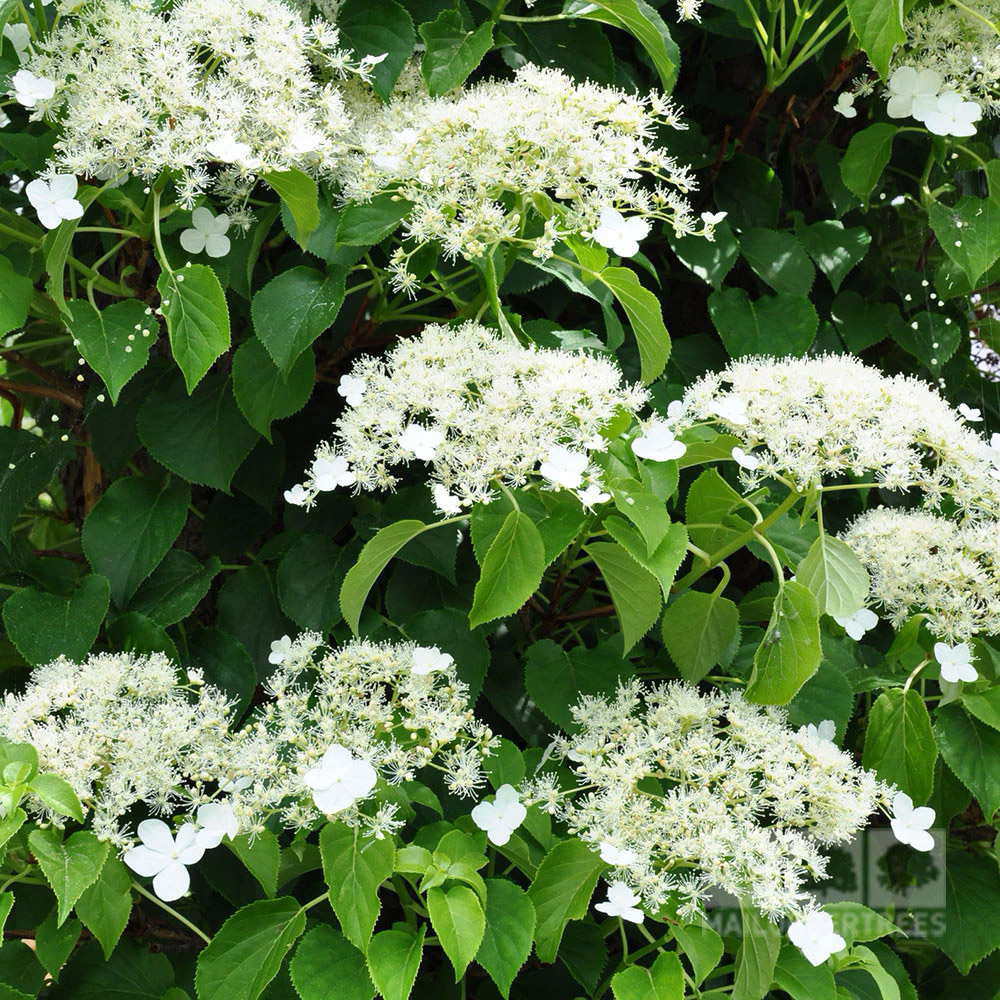
Climbing Hydrangea
Climbing Hydrangea
Climbing Hydrangea

Climbing Hydrangea

Hydrangea Anomala Petiolaris

Description

Nothing says we’ve made it to spring quite like the Redbuds.

I mean that.

You can feel it when they bloom. You don’t even need to know the name—you just see that color breaking through the gray of winter and think, “Alright… here we go.”

My grandmother, Arbron, planted one of these back in 1943. And you should see it today.

I couldn’t tell you the exact color—not in technical terms. It’s somewhere between pink, purple, magenta… but none of that really captures it.

It’s vibrant in a way that feels alive.

Like nature saying:
“Hey. I’m back.”

And that’s what makes the Eastern Redbud one of the most beloved flowering trees in Connecticut, New York, and the Northeast.

If you’ve ever searched “redbuds near me”, there’s a good reason—people don’t just want this tree… they remember it.


Hydrangea anomala petiolaris

And more importantly—why it performs so well in landscapes across the Northeast.

This is easily one of the best flowering climbing vines for shade, one of the most reliable climbing hydrangeas for brick walls and stone surfaces, and one of the most underutilized plants in Connecticut landscape design.

If you’re looking for something that creates vertical interest, seasonal flowers, and long-term architectural beauty, this is a plant you should absolutely consider from Courville Nurseries.


Size & Growth Habit

  • Mature height: 30–50 feet (climbing vine)
  • Spread: 5–6 feet outward depending on structure
  • Growth rate: slow to establish, then moderate to fast-growing vine

This is a self-clinging climbing hydrangea, meaning it attaches naturally to:

  • Brick walls
  • Stone facades
  • Tree trunks
  • Fences and structures

It uses aerial rootlets to climb, which makes it one of the best low-maintenance climbing vines for vertical surfaces.

And here’s the truth most people don’t tell you:
The first few years, it sleeps. Then it creeps. Then it leaps.

Once established, it becomes a lush, flowering wall of green and white that only improves with age.


Foliage & Seasonal Interest

This is where the magic really happens:

  • Rich green, heart-shaped leaves
  • Large, lacecap-style white flowers in late spring to early summer
  • Flowers can reach 6–10 inches across
  • Subtle yellow fall color
  • Interesting exfoliating bark for winter interest

The blooms are what stop people in their tracks.

They’re not loud—they’re elegant. Flat, layered, almost floating against the foliage.

In Connecticut and throughout the Northeast, this is one of the most reliable flowering vines for four-season landscape interest.


Light Requirements

Performs best in:

  • Partial shade to full shade
  • Tolerates full sun in cooler climates like Connecticut with adequate moisture

This makes it one of the top choices for:

  • shade gardens
  • north-facing walls
  • woodland landscape designs

If you’ve struggled to find a flowering vine for shaded areas, this is one of the best solutions available.


Soil & Water Needs

Prefers:

  • Moist, well-drained soil
  • Rich, organic planting conditions
  • Slightly acidic soil pH

Care guidelines:

  • Water regularly during establishment
  • Mulch to retain moisture and regulate soil temperature
  • Avoid dry, compacted soils
  • Benefits from consistent moisture, especially in the first few years

For homeowners in Fairfield County, New Haven County, and Westchester County, this is a highly adaptable vine when given the right start.


Best Uses in the Landscape

This is where Climbing Hydrangea becomes a design statement:

  • Climbing vine for brick walls and stone houses
  • Flowering privacy vine for vertical screening
  • Covering fences, pergolas, and garden structures
  • Climbing shade vine for woodland gardens
  • Softening hardscape elements like masonry and retaining walls

It’s one of the best plants for creating:

  • vertical garden interest
  • natural privacy without heavy evergreen screening
  • a layered, high-end landscape design feel

Design Insight (Why People Fall in Love With It)

I’ve seen this firsthand.

People don’t just notice this plant—they remember it.

It’s not aggressive.
It’s not overwhelming.
It feels like it grew there on its own.

The way it climbs, the way it flowers, the way it softens a structure—it creates something that feels established, even when it’s relatively young.

This is the kind of plant that turns a house into a home—and a wall into something alive.


Care & Maintenance

  • Low maintenance climbing vine once established
  • Minimal pruning required (only to control size or shape)
  • Strong, long-lived structure
  • Extremely durable in Northeast climates

Key tip:
Be patient early—it’s investing in its root system
Once it takes off, it becomes one of the most rewarding plants in the landscape.


Why People Choose Climbing Hydrangea

  • One of the best flowering vines for shade in Connecticut
  • Ideal for brick, stone, and vertical surfaces
  • Elegant white blooms with strong visual impact
  • Long lifespan and increasing beauty over time
  • Adds architectural and natural design value

Why Buy From Courville Nurseries

Let me say this directly—because I’ve lived it:

I bought this plant from Courville Nurseries years ago. And it’s still performing today.

What most people don’t realize is:

Courville grows and supplies trees and shrubs to other garden centers and landscapers—who then mark them up and sell them at a profit.

So if you’re searching for:

  • climbing hydrangea for sale in Connecticut
  • flowering vines in Norwalk CT, Monroe CT, Oxford CT
  • shade vines for brick walls and fences
  • high-quality nursery plants direct from the grower

Then the question becomes simple:


Why not go directly to the source?

  • Courville Nurseries offers premium plant material
  • Local expertise for Northeast landscapes
  • Better value than traditional retail garden centers

Give them a call. It’s worth it.


Join the Conversation

I’d really like to hear from you on this one.

Have you planted a climbing hydrangea?
Are you thinking about adding one to your landscape?

👉 Share your photos on Facebook and Instagram
👉 Tag Courville Nurseries
👉 Tell us how you’re using it—walls, fences, trees, anywhere

Because I can tell you from experience—
this is one plant people will stop and ask you about.


Source

General horticultural characteristics consistent with university extension systems and nursery production standards, including UConn Plant Database references and regional growing expertise for the Northeast United States.

Climbing Hydrangea

A vigorous climbing vine that clings to surfaces by aerial rootlets. It has a slow growing, shrubby habit until established, then becomes quite vigorous, producing long, fast growing stems. Lush green foliage is blanketed with magnificent, white lacecap blooms in summer.

Zoning: 5-9

Description

Climbing Hydrangea
Climbing Hydrangea
Climbing Hydrangea

Climbing Hydrangea

Hydrangea Anomala Petiolaris

Description

Nothing says we’ve made it to spring quite like the Redbuds.

I mean that.

You can feel it when they bloom. You don’t even need to know the name—you just see that color breaking through the gray of winter and think, “Alright… here we go.”

My grandmother, Arbron, planted one of these back in 1943. And you should see it today.

I couldn’t tell you the exact color—not in technical terms. It’s somewhere between pink, purple, magenta… but none of that really captures it.

It’s vibrant in a way that feels alive.

Like nature saying:
“Hey. I’m back.”

And that’s what makes the Eastern Redbud one of the most beloved flowering trees in Connecticut, New York, and the Northeast.

If you’ve ever searched “redbuds near me”, there’s a good reason—people don’t just want this tree… they remember it.


Hydrangea anomala petiolaris

And more importantly—why it performs so well in landscapes across the Northeast.

This is easily one of the best flowering climbing vines for shade, one of the most reliable climbing hydrangeas for brick walls and stone surfaces, and one of the most underutilized plants in Connecticut landscape design.

If you’re looking for something that creates vertical interest, seasonal flowers, and long-term architectural beauty, this is a plant you should absolutely consider from Courville Nurseries.


Size & Growth Habit

  • Mature height: 30–50 feet (climbing vine)
  • Spread: 5–6 feet outward depending on structure
  • Growth rate: slow to establish, then moderate to fast-growing vine

This is a self-clinging climbing hydrangea, meaning it attaches naturally to:

  • Brick walls
  • Stone facades
  • Tree trunks
  • Fences and structures

It uses aerial rootlets to climb, which makes it one of the best low-maintenance climbing vines for vertical surfaces.

And here’s the truth most people don’t tell you:
The first few years, it sleeps. Then it creeps. Then it leaps.

Once established, it becomes a lush, flowering wall of green and white that only improves with age.


Foliage & Seasonal Interest

This is where the magic really happens:

  • Rich green, heart-shaped leaves
  • Large, lacecap-style white flowers in late spring to early summer
  • Flowers can reach 6–10 inches across
  • Subtle yellow fall color
  • Interesting exfoliating bark for winter interest

The blooms are what stop people in their tracks.

They’re not loud—they’re elegant. Flat, layered, almost floating against the foliage.

In Connecticut and throughout the Northeast, this is one of the most reliable flowering vines for four-season landscape interest.


Light Requirements

Performs best in:

  • Partial shade to full shade
  • Tolerates full sun in cooler climates like Connecticut with adequate moisture

This makes it one of the top choices for:

  • shade gardens
  • north-facing walls
  • woodland landscape designs

If you’ve struggled to find a flowering vine for shaded areas, this is one of the best solutions available.


Soil & Water Needs

Prefers:

  • Moist, well-drained soil
  • Rich, organic planting conditions
  • Slightly acidic soil pH

Care guidelines:

  • Water regularly during establishment
  • Mulch to retain moisture and regulate soil temperature
  • Avoid dry, compacted soils
  • Benefits from consistent moisture, especially in the first few years

For homeowners in Fairfield County, New Haven County, and Westchester County, this is a highly adaptable vine when given the right start.


Best Uses in the Landscape

This is where Climbing Hydrangea becomes a design statement:

  • Climbing vine for brick walls and stone houses
  • Flowering privacy vine for vertical screening
  • Covering fences, pergolas, and garden structures
  • Climbing shade vine for woodland gardens
  • Softening hardscape elements like masonry and retaining walls

It’s one of the best plants for creating:

  • vertical garden interest
  • natural privacy without heavy evergreen screening
  • a layered, high-end landscape design feel

Design Insight (Why People Fall in Love With It)

I’ve seen this firsthand.

People don’t just notice this plant—they remember it.

It’s not aggressive.
It’s not overwhelming.
It feels like it grew there on its own.

The way it climbs, the way it flowers, the way it softens a structure—it creates something that feels established, even when it’s relatively young.

This is the kind of plant that turns a house into a home—and a wall into something alive.


Care & Maintenance

  • Low maintenance climbing vine once established
  • Minimal pruning required (only to control size or shape)
  • Strong, long-lived structure
  • Extremely durable in Northeast climates

Key tip:
Be patient early—it’s investing in its root system
Once it takes off, it becomes one of the most rewarding plants in the landscape.


Why People Choose Climbing Hydrangea

  • One of the best flowering vines for shade in Connecticut
  • Ideal for brick, stone, and vertical surfaces
  • Elegant white blooms with strong visual impact
  • Long lifespan and increasing beauty over time
  • Adds architectural and natural design value

Why Buy From Courville Nurseries

Let me say this directly—because I’ve lived it:

I bought this plant from Courville Nurseries years ago. And it’s still performing today.

What most people don’t realize is:

Courville grows and supplies trees and shrubs to other garden centers and landscapers—who then mark them up and sell them at a profit.

So if you’re searching for:

  • climbing hydrangea for sale in Connecticut
  • flowering vines in Norwalk CT, Monroe CT, Oxford CT
  • shade vines for brick walls and fences
  • high-quality nursery plants direct from the grower

Then the question becomes simple:


Why not go directly to the source?

  • Courville Nurseries offers premium plant material
  • Local expertise for Northeast landscapes
  • Better value than traditional retail garden centers

Give them a call. It’s worth it.


Join the Conversation

I’d really like to hear from you on this one.

Have you planted a climbing hydrangea?
Are you thinking about adding one to your landscape?

👉 Share your photos on Facebook and Instagram
👉 Tag Courville Nurseries
👉 Tell us how you’re using it—walls, fences, trees, anywhere

Because I can tell you from experience—
this is one plant people will stop and ask you about.


Source

General horticultural characteristics consistent with university extension systems and nursery production standards, including UConn Plant Database references and regional growing expertise for the Northeast United States.