
Description

LIGUSTRUM SINENSE
If you’ve been searching for a plant that’s more versatile than a Swiss Army knife, Privet is your answer. This isn’t just another hedge plant gathering dust in the corner of the garden center—it’s the backbone of countless Connecticut gardens, loved equally by formal gardeners who prize its sculptural possibilities and naturalists who appreciate its wildlife benefits. Privet is the plant that *works*, year after year, asking little and delivering much.
What it looks like
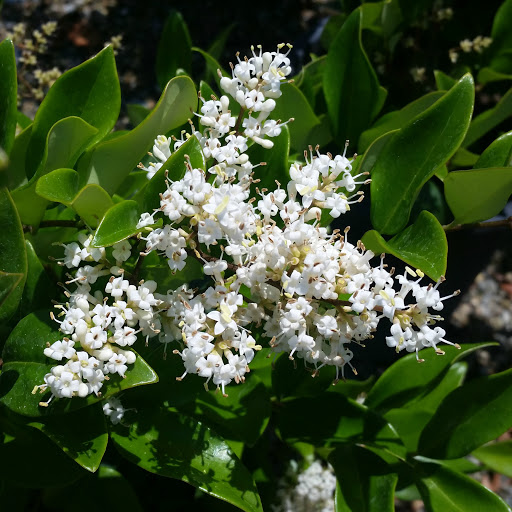
Privet presents itself as a generous, full-bodied shrub with small, glossy, dark green leaves that practically gleam in afternoon light. In late spring through early summer, it erupts with tiny, fragrant white flowers densely packed into upright panicles—they’re modest individually, but collectively they create a lovely, honeyed effect that draws bees and butterflies like a magnet. By late summer and early fall, small dark berries follow, offering food for songbirds (and wildlife watchers) through the cooler months. The overall effect is refined without being fussy, elegant without demanding constant attention.
Growing it in your garden
Here’s what makes Privet such a gardener’s plant: it adapts. Whether you’re dealing with full sun or partial shade, average to rich soil, or Connecticut’s occasionally unpredictable moisture patterns, Privet settles in and gets to work. It’s remarkably tolerant of clay soils that might make other plants sulk. For hedging purposes—its most traditional use—space plants about 18 to 24 inches apart and begin your pruning regimen early to encourage dense branching. But don’t feel obligated to shear it into submission; left to its own devices, Privet develops a graceful, naturally full form that’s equally appealing. New England gardeners have relied on this plant for generations, and for good reason.
Through the seasons
Spring brings fresh, vibrant foliage that seems to glow as new leaves unfurl—there’s an energy to it. Summer is the show-off season, with those fragrant flower spikes attracting beneficials to your garden. Fall delivers berries that shift from red to dark purple-black, creating excellent contrast against the green foliage while feeding birds preparing for migration. Winter reveals the plant’s strong branching structure, and while LIGUSTRUM SINENSE can be deciduous in harsh Connecticut winters, its persistent berries and architectural form still provide garden interest. Even in dormancy, it maintains dignity.
Where it shines
Use Privet as a formal hedge to define property lines or create garden rooms—it responds beautifully to shearing and maintains crisp lines without becoming overgrown between prunings. Plant it as a specimen shrub in mixed borders, where its flowers and berries add a sophisticated middle layer. It’s excellent for screening; mass several plants to create a living privacy wall that’s far more beautiful than any fence. Privet also excels in containers, making it a surprisingly elegant choice for deck or patio gardening. In wildlife gardens, it’s invaluable—the flowers feed pollinators, the berries sustain birds, and the dense foliage provides shelter.
Perfect companions
Privet’s neutral demeanor plays well with others. Pair it with flowering perennials like coreopsis or salvia to add color while Privet provides structure. Underplant with shade-tolerant hostas or hellebores if you’re using Privet as a backdrop. For a classic combination, edge a Privet hedge with dwarf boxwood or lavender. In mixed shrub borders, combine it with plants that offer textural contrast—ornamental grasses, plants with purple foliage like BERBERIS, or evergreens with different leaf shapes. Privet’s flexibility means it complements nearly everything.
Care tips
Privet is genuinely low-maintenance. Water regularly during the first growing season to establish a deep root system; after that, it tolerates normal Connecticut rainfall. For hedging, begin pruning in early summer and do light touch-ups as needed through August. Avoid heavy pruning in late fall, which can stimulate tender new growth that frost might damage. If you prefer a natural form, minimal pruning is needed—just remove any dead or crossing branches in early spring. Privet is generally pest and disease-free, though scale can occasionally appear; prune out affected branches and consider horticultural oil if needed. Fertilize modestly in early spring with a balanced fertilizer; overfertilizing encourages excessive vegetative growth at the expense of flowers.
Quick facts
- Hardiness Zone: 4–11 (reliably hardy throughout Connecticut)
- Mature Height & Spread: 8–12 feet tall and wide (easily manageable through pruning)
- Bloom Season: Late May through June, with berry development through fall
- Light Requirements: Full sun to partial shade (minimum 4 hours of sun for best flowering)
- Water Needs: Moderate; tolerates dry conditions once established but prefers consistent moisture
- Available at: Both our retail and wholesale locations