
Description

MICROBIOTA DECUSSATA
If you’ve been searching for an evergreen that actually thrives in Connecticut’s unpredictable winters, handles shade like a champ, and looks absolutely gorgeous doing it, meet your new garden obsession. Russian Cypress isn’t technically a cypress at all—it’s a conifer from the Russian Far East with a personality that seems tailor-made for New England gardens. This is the plant that laughs at our cold snaps, shrugs off our humidity, and somehow manages to look refined and modern while doing absolutely nothing demanding. It’s rare to find a plant this beautiful that’s also this forgiving.
What it looks like
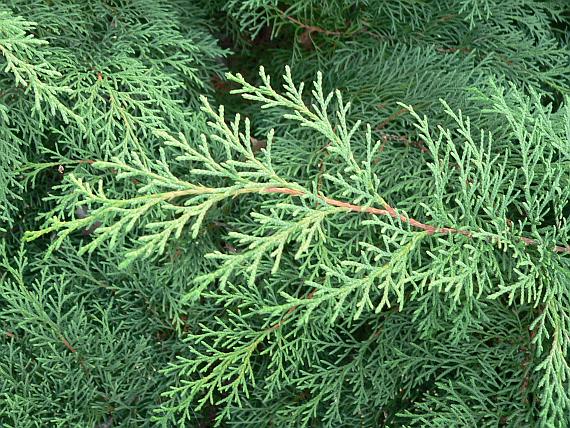
Russian Cypress has a naturally soft, feathery appearance that sets it apart from most evergreens. Its delicate, finely textured foliage is bright, fresh green in the growing season, then transforms into a warm, rust-bronze color come winter. This isn’t a sad, stressed color change—it’s genuinely beautiful, like the plant is intentionally shifting into a different seasonal outfit. The plant grows in a low, spreading mound that’s never awkward or gangly. It’s the kind of natural, refined form that makes you wonder why every garden doesn’t have one of these.
Growing it in your garden
Here’s what makes Russian Cypress so special: it’s genuinely easygoing. It prefers a spot with full sun to partial shade and will happily adapt to whatever light you’ve got, though it colors most dramatically with good light exposure. The real magic happens with soil and moisture. Unlike many evergreens that demand perfect drainage, Russian Cypress actually appreciates consistent moisture—it evolved in the cool, slightly moist forests of the Far East, so it understands our Connecticut springs and fall rains intuitively. That said, it’s not fussy; it adapts to various soil types and pH levels. Plant it where you’d normally struggle with other conifers, and it’ll prove its worth season after season.
Through the seasons
Spring arrives with fresh, vibrant green growth that’s almost luminous. Summer is when Russian Cypress is at its most understated elegant—a soft, lacy presence that cools down hot garden spots without demanding attention. Fall brings that signature color shift to bronze and russet tones, especially in colder regions. This color is one of the plant’s greatest assets; it’s warm, sophisticated, and completely natural, adding visual interest when other plants are fading. Winter? Russian Cypress barely notices. While other plants look stressed and weary, this one maintains its structure and color, emerging in spring completely unbothered by Connecticut’s temperature swings and snow loads.
Where it shines
This is a plant for discerning gardeners who want something different. Plant it as a specimen in a rock garden, where its texture and form can be fully appreciated. Use it as a groundcover on slopes—its spreading habit and winter color make it utterly captivating. Tuck it into foundation plantings where you want visual interest without vertical drama. It’s phenomenal in containers on patios, where you can enjoy its seasonal color changes up close. Russian Cypress also works beautifully in Japanese-inspired gardens, mixed borders, and anywhere you want an evergreen that doesn’t scream “evergreen.” It’s the introvert of conifers—deeply beautiful if you take the time to appreciate it.
Perfect companions
Pair Russian Cypress with Japanese maples for a stunning play of texture and color. Plant it alongside ornamental grasses like MISCANTHUS or HAKONECHLOA for a garden that moves and flows. Underplant it with shade-tolerant perennials like hellebores or EPIMEDIUM. It also works beautifully with other broadleaf evergreens like boxwoods or hollies, anchoring borders with its unique texture. The key is placing it where its feathery, fine-textured form contrasts with bolder-leaved plants.
Care tips
Water regularly during the first growing season to establish a strong root system. Once established, Russian Cypress needs minimal supplemental watering except during severe Connecticut droughts. It doesn’t need pruning—just let its natural form develop. There are no significant pest or disease issues; this is a plant that basically takes care of itself. If you live in a particularly windy spot, shelter it slightly; the plant is tough, but strong winds can occasionally damage the delicate foliage. Otherwise, plant it and enjoy watching it become a quiet workhorse in your garden year after year.
Quick facts
- Hardiness Zone: Zones 3-8 (fully hardy throughout Connecticut)
- Mature Height & Spread: 18-24 inches tall, 3-6 feet wide
- Bloom Season: Non-flowering evergreen
- Light Requirements: Full sun to partial shade
- Water Needs: Moderate; prefers consistent moisture but adapts well
- Available at: Both our retail and wholesale locations