Oh, if you’re looking to make a showstopping statement in your Connecticut garden come spring, let me tell you about the Kwanzan Cherry—it’s like nature’s own fireworks display! This stunning ornamental cherry is one of those rare plants that actually stops people in their tracks when it’s in full bloom. Picture this: your entire tree transformed into a cloud of the most luxurious, double pink blossoms you’ve ever seen, creating an almost dreamlike moment in your yard. It’s the kind of tree that makes your neighbors peek over the fence and ask, “Where did you get that?” Trust me, once you plant one, you’ll understand why this classic beauty has been beloved in gardens for generations.

What it looks like

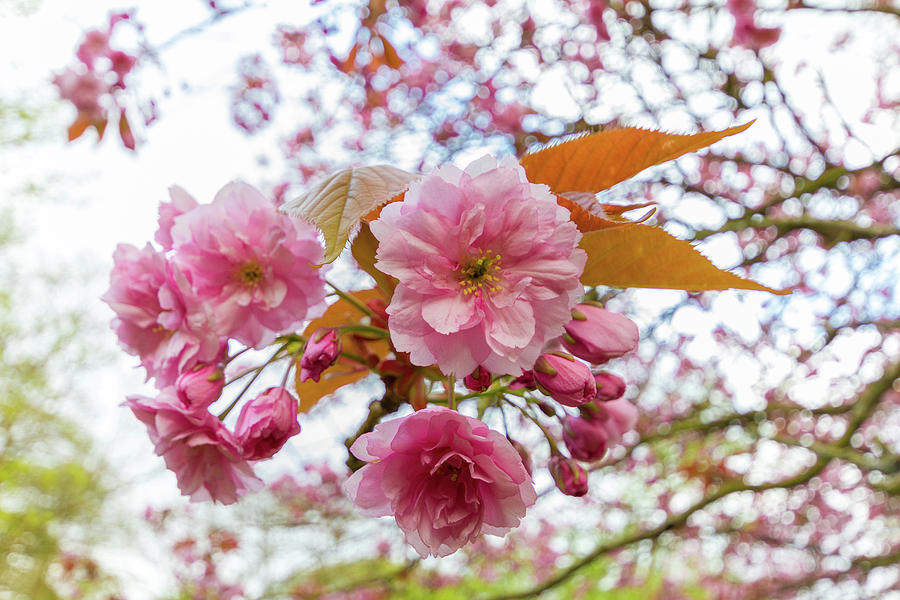
The Kwanzan Cherry (PRUNUS SERRULATA ‘KWANZAN’) is an absolutely gorgeous ornamental tree that brings formal elegance to any landscape. It’s a medium-sized tree with an upright, vase-shaped habit that becomes more spreading with age, creating a beautiful branching structure you can really admire. The defining feature, though? Those incredible flowers! They emerge in spring as deep pink buds that open into full, ruffled double blooms—think of them as little pompoms clustered along the branches. The flowers are so densely packed that you might barely see any foliage underneath them at peak bloom. The foliage itself is a lovely bronzy-green when it first emerges, maturing to a rich dark green throughout the summer, and then turning warm shades of yellow-bronze in fall. Even the bark is attractive, displaying that characteristic horizontal striping (called lenticels) that adds interest during the dormant season.

Growing it in your garden

Here’s the wonderful news: the Kwanzan Cherry is quite well-suited to Connecticut’s growing conditions! It’s cold-hardy and will thrive in our USDA zones. Like most ornamental cherries, it prefers a location with full sun—we’re talking six to eight hours daily—which helps ensure those magnificent blooms really put on their best show. You’ll want to plant it in well-draining soil, which is important because these trees don’t appreciate sitting in waterlogged conditions. If your soil tends to be heavy clay, don’t worry; work in some compost or organic matter to improve drainage. Kwanzan Cherries are fairly adaptable to different soil types, though they perform best in slightly acidic to neutral pH. Plant in early spring or fall when the tree can establish roots during our cooler, moister seasons. Give it enough space to spread—these trees appreciate good air circulation, which is especially important in our humid New England climate, as it helps prevent fungal issues.

Through the seasons

Spring is absolutely the star season for the Kwanzan Cherry! Typically blooming in mid to late April through early May—right around the time New England shakes off winter—your tree will become the focal point of the entire garden. Those extravagant pink flowers last for two to three weeks, depending on our variable Connecticut weather. Summer sees the tree settle into a lush, full canopy with attractive foliage that provides nice shade and structure to the garden. Fall brings a pleasant color show with warm yellows and bronzes, though it’s not quite as dramatic as some other deciduous trees—but still lovely! Winter reveals that handsome branching structure and textured bark, adding architectural interest to dormant gardens. One thing to note: ornamental cherries don’t typically produce significant fruit, so you won’t have to worry about messy cleanup from large crops—just enjoy the beauty!

Where it shines

The Kwanzan Cherry is an exceptional specimen tree, meaning it really wants to be the star of the show—and honestly, why wouldn’t you let it be? It’s perfect as a focal point near your house, in a prominent spot in the front garden, or as part of a spring garden display. Many gardeners love to position them where you can see them from a favorite window or seating area. It’s also stunning when planted as a small grouping with other spring bloomers, though each tree should have its own space. This is not a tree to tuck into the background; it demands and deserves to be noticed. It works beautifully in more formal landscape designs with its upright, structured growth habit, and it’s absolutely charming in naturalistic settings too.

Perfect companions

Plant your Kwanzan Cherry in the company of other spring bloomers that complement its pink tones and create a stunning seasonal display. Try pairing it with white spring bulbs like tulips or ornamental alliums that will bloom at the same time, creating a beautiful contrast. Underplant with spring ephemeral woodland plants like hellebores or Virginia bluebells for a natural, layered look. Summer-blooming hydrangeas nearby work well because they’ll take center stage once the cherry’s show is over. The blue or purple varieties particularly complement the warm coral-pink tones beautifully. Japanese maples, particularly the green-leafed varieties, make excellent neighboring trees because they provide lovely textural contrast without competing for attention.

Care tips

Kwanzan Cherries are relatively low-maintenance once established, which is wonderful news! Water regularly during the first year to help develop a strong root system—especially important during Connecticut’s dry spells. After establishment, they’re fairly drought-tolerant but appreciate consistent moisture during particularly hot summers. Prune immediately after flowering if needed, as ornamental cherries set next year’s buds in summer. Keep pruning minimal; these trees have a naturally beautiful form and generally don’t need much more than removing any crossed or damaged branches. Watch for common pests like cherry slugs or aphids, especially early in the season, though established trees are usually quite robust. In our humid Connecticut climate, ensure good air circulation to prevent fungal issues. A light mulch around the base helps retain moisture while protecting the roots.

Quick facts

  • Hardiness Zone: Zones 5-8 (perfect for Connecticut!)
  • Mature Height & Spread: 25-30 feet tall and wide
  • Bloom Season: Mid-April through early May
  • Light Requirements: Full sun (6-8 hours daily)
  • Water Needs: Moderate; prefers well-draining soil
  • Available at: Both our retail and wholesale locations.

Kwanzan Cherry

Category:

One of the most prolific flowering Cherries. Boasts large clusters of double pink flowers in early Spring.

Zoning: 5-9
Mature Height and Spread: 25-35’ & 15-20’

Description

Oh, if you’re looking to make a showstopping statement in your Connecticut garden come spring, let me tell you about the Kwanzan Cherry—it’s like nature’s own fireworks display! This stunning ornamental cherry is one of those rare plants that actually stops people in their tracks when it’s in full bloom. Picture this: your entire tree transformed into a cloud of the most luxurious, double pink blossoms you’ve ever seen, creating an almost dreamlike moment in your yard. It’s the kind of tree that makes your neighbors peek over the fence and ask, “Where did you get that?” Trust me, once you plant one, you’ll understand why this classic beauty has been beloved in gardens for generations.

What it looks like

The Kwanzan Cherry (PRUNUS SERRULATA ‘KWANZAN’) is an absolutely gorgeous ornamental tree that brings formal elegance to any landscape. It’s a medium-sized tree with an upright, vase-shaped habit that becomes more spreading with age, creating a beautiful branching structure you can really admire. The defining feature, though? Those incredible flowers! They emerge in spring as deep pink buds that open into full, ruffled double blooms—think of them as little pompoms clustered along the branches. The flowers are so densely packed that you might barely see any foliage underneath them at peak bloom. The foliage itself is a lovely bronzy-green when it first emerges, maturing to a rich dark green throughout the summer, and then turning warm shades of yellow-bronze in fall. Even the bark is attractive, displaying that characteristic horizontal striping (called lenticels) that adds interest during the dormant season.

Growing it in your garden

Here’s the wonderful news: the Kwanzan Cherry is quite well-suited to Connecticut’s growing conditions! It’s cold-hardy and will thrive in our USDA zones. Like most ornamental cherries, it prefers a location with full sun—we’re talking six to eight hours daily—which helps ensure those magnificent blooms really put on their best show. You’ll want to plant it in well-draining soil, which is important because these trees don’t appreciate sitting in waterlogged conditions. If your soil tends to be heavy clay, don’t worry; work in some compost or organic matter to improve drainage. Kwanzan Cherries are fairly adaptable to different soil types, though they perform best in slightly acidic to neutral pH. Plant in early spring or fall when the tree can establish roots during our cooler, moister seasons. Give it enough space to spread—these trees appreciate good air circulation, which is especially important in our humid New England climate, as it helps prevent fungal issues.

Through the seasons

Spring is absolutely the star season for the Kwanzan Cherry! Typically blooming in mid to late April through early May—right around the time New England shakes off winter—your tree will become the focal point of the entire garden. Those extravagant pink flowers last for two to three weeks, depending on our variable Connecticut weather. Summer sees the tree settle into a lush, full canopy with attractive foliage that provides nice shade and structure to the garden. Fall brings a pleasant color show with warm yellows and bronzes, though it’s not quite as dramatic as some other deciduous trees—but still lovely! Winter reveals that handsome branching structure and textured bark, adding architectural interest to dormant gardens. One thing to note: ornamental cherries don’t typically produce significant fruit, so you won’t have to worry about messy cleanup from large crops—just enjoy the beauty!

Where it shines

The Kwanzan Cherry is an exceptional specimen tree, meaning it really wants to be the star of the show—and honestly, why wouldn’t you let it be? It’s perfect as a focal point near your house, in a prominent spot in the front garden, or as part of a spring garden display. Many gardeners love to position them where you can see them from a favorite window or seating area. It’s also stunning when planted as a small grouping with other spring bloomers, though each tree should have its own space. This is not a tree to tuck into the background; it demands and deserves to be noticed. It works beautifully in more formal landscape designs with its upright, structured growth habit, and it’s absolutely charming in naturalistic settings too.

Perfect companions

Plant your Kwanzan Cherry in the company of other spring bloomers that complement its pink tones and create a stunning seasonal display. Try pairing it with white spring bulbs like tulips or ornamental alliums that will bloom at the same time, creating a beautiful contrast. Underplant with spring ephemeral woodland plants like hellebores or Virginia bluebells for a natural, layered look. Summer-blooming hydrangeas nearby work well because they’ll take center stage once the cherry’s show is over. The blue or purple varieties particularly complement the warm coral-pink tones beautifully. Japanese maples, particularly the green-leafed varieties, make excellent neighboring trees because they provide lovely textural contrast without competing for attention.

Care tips

Kwanzan Cherries are relatively low-maintenance once established, which is wonderful news! Water regularly during the first year to help develop a strong root system—especially important during Connecticut’s dry spells. After establishment, they’re fairly drought-tolerant but appreciate consistent moisture during particularly hot summers. Prune immediately after flowering if needed, as ornamental cherries set next year’s buds in summer. Keep pruning minimal; these trees have a naturally beautiful form and generally don’t need much more than removing any crossed or damaged branches. Watch for common pests like cherry slugs or aphids, especially early in the season, though established trees are usually quite robust. In our humid Connecticut climate, ensure good air circulation to prevent fungal issues. A light mulch around the base helps retain moisture while protecting the roots.

Quick facts

  • Hardiness Zone: Zones 5-8 (perfect for Connecticut!)
  • Mature Height & Spread: 25-30 feet tall and wide
  • Bloom Season: Mid-April through early May
  • Light Requirements: Full sun (6-8 hours daily)
  • Water Needs: Moderate; prefers well-draining soil
  • Available at: Both our retail and wholesale locations.