If you’re looking to make a bold, lasting statement in your Connecticut landscape, allow me to introduce you to the Regal Prince Oak – a tree that truly lives up to its majestic name. This stunning hybrid oak brings together the best traits of its parents, combining rapid growth with outstanding ornamental appeal and impressive cold hardiness. Whether you’re dreaming of creating a stately focal point or establishing a strong woodland edge, this tree is an absolute game-changer. I absolutely love recommending it to gardeners here in New England because it performs so reliably, even through our challenging winters, and it has the kind of presence that makes neighbors stop and ask questions!

What it looks like

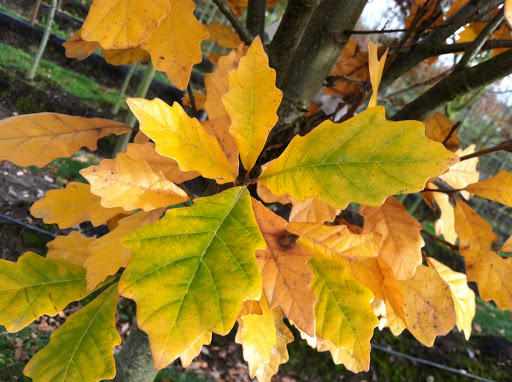
The Regal Prince Oak (QUERCUS × ‘REGAL PRINCE’) is a vision of architectural elegance. This upright, pyramidal tree develops a strong central leader and dense, well-branched habit that’s simply gorgeous from day one. The deeply lobed leaves are glossy and deeply cut – think of them as a refined version of a red oak’s foliage, with that wonderful rich, dark green color that stays vibrant throughout the growing season. Come autumn, those leaves transform into spectacular shades of burgundy and deep red, creating that showstopping fall color display that makes October in Connecticut so special. The branching structure is clean and attractive even in winter, so you get year-round interest without ever feeling like you’re looking at a bare stick.

Growing it in your garden

Here’s one of the things I genuinely love about the Regal Prince Oak: it’s remarkably unfussy about where you plant it in your Connecticut garden. It thrives in full sun – and I mean really thrives, developing that dense, pyramidal shape we all crave. While it performs best in slightly acidic to neutral soils (which are pretty common throughout New England), it’s actually quite adaptable and won’t throw a tantrum if your soil is a bit more alkaline than ideal. Well-draining soil is important, as it is with most oaks, but once established, this tree shows excellent drought tolerance, which is increasingly valuable as our climate patterns shift. It handles our New England winters with the kind of stoic resilience that makes you trust it completely.

Through the seasons

Spring arrives with that gorgeous fresh, chartreuse emergence of new foliage – it’s so energizing to watch. The tree leafs out reliably and completely, creating a lush canopy by early summer. Summer is when the Regal Prince Oak really settles in, providing wonderful shade without being so dense that nothing can grow beneath it – there’s something about the dappled light it creates that’s just perfect for a shade garden. Fall is the star season, honestly; those burgundy and deep red leaves make the tree a focal point you simply can’t ignore. And when those leaves finally drop, the attractive branch structure takes center stage through winter, which is especially valuable in our New England landscapes where we spend so much time looking at our gardens through bare branches.

Where it shines

The Regal Prince Oak is genuinely versatile, which is part of why I recommend it so often. It’s exceptional as a specimen tree – plant it where it can be appreciated from your main living spaces, and it’ll become a beloved focal point year after year. It works beautifully as part of a tree alley or allée, creating that formal, impressive statement that nothing quite equals. For Connecticut properties with more space, it’s wonderful for establishing a woodland edge or creating a natural buffer. It’s also surprisingly useful in more contemporary landscapes where its strong architectural form and clean lines really work. Because it establishes relatively quickly and doesn’t develop the massive spread of some oaks, it works even in properties with moderate space – just give it room to develop its beautiful pyramidal shape.

Perfect companions

The Regal Prince Oak has this wonderful elegant quality that plays well with refined understory plantings. I’m always pairing mine with native Connecticut shade-tolerant perennials like hellebores, epimedium, and tiarella underneath. For nearby ornamental trees, consider pairing it with dogwoods or understory magnolias – the contrast in spring bloom is gorgeous. If you want a mixed border nearby, lacecap hydrangeas are absolutely stunning in the dappled shade it provides. Native understory shrubs like witch hazel or spicebush also complement it beautifully while supporting local wildlife.

Care tips

Once established, the Regal Prince Oak is pretty low-maintenance, which is honestly part of its charm. Water it regularly during its first growing season to help develop a strong root system – I typically recommend about an inch per week during dry spells. After that, it’s surprisingly drought-tolerant. Prune minimally; this tree naturally develops such a beautiful form that it rarely needs corrective pruning. If you do need to prune, do it in late winter while the tree is dormant. Mulching around the base with a few inches of organic matter helps retain moisture and keeps grass and weeds away from the trunk during establishment. Oak wilt is something we’re monitoring in Connecticut, so avoid wounding the tree during the growing season, and if you must prune, do it when the tree is dormant.

Quick facts

  • Hardiness Zone: 5-8 (perfect for Connecticut!)
  • Mature Height & Spread: 50-60 feet tall, 30-40 feet wide
  • Bloom Season: Spring catkins; fall foliage color
  • Light Requirements: Full sun (6+ hours daily)
  • Water Needs: Moderate; drought-tolerant once established
  • Available at: Both our retail and wholesale locations.

Regal Prince Oak

Category:

Rich green leaves adorn this profoundly upright oval branching. A great choice for tight landscapes.

Zoning: 4-8
Mature Height and Spread: 40-50’ & 20-30’

Description

If you’re looking to make a bold, lasting statement in your Connecticut landscape, allow me to introduce you to the Regal Prince Oak – a tree that truly lives up to its majestic name. This stunning hybrid oak brings together the best traits of its parents, combining rapid growth with outstanding ornamental appeal and impressive cold hardiness. Whether you’re dreaming of creating a stately focal point or establishing a strong woodland edge, this tree is an absolute game-changer. I absolutely love recommending it to gardeners here in New England because it performs so reliably, even through our challenging winters, and it has the kind of presence that makes neighbors stop and ask questions!

What it looks like

The Regal Prince Oak (QUERCUS × ‘REGAL PRINCE’) is a vision of architectural elegance. This upright, pyramidal tree develops a strong central leader and dense, well-branched habit that’s simply gorgeous from day one. The deeply lobed leaves are glossy and deeply cut – think of them as a refined version of a red oak’s foliage, with that wonderful rich, dark green color that stays vibrant throughout the growing season. Come autumn, those leaves transform into spectacular shades of burgundy and deep red, creating that showstopping fall color display that makes October in Connecticut so special. The branching structure is clean and attractive even in winter, so you get year-round interest without ever feeling like you’re looking at a bare stick.

Growing it in your garden

Here’s one of the things I genuinely love about the Regal Prince Oak: it’s remarkably unfussy about where you plant it in your Connecticut garden. It thrives in full sun – and I mean really thrives, developing that dense, pyramidal shape we all crave. While it performs best in slightly acidic to neutral soils (which are pretty common throughout New England), it’s actually quite adaptable and won’t throw a tantrum if your soil is a bit more alkaline than ideal. Well-draining soil is important, as it is with most oaks, but once established, this tree shows excellent drought tolerance, which is increasingly valuable as our climate patterns shift. It handles our New England winters with the kind of stoic resilience that makes you trust it completely.

Through the seasons

Spring arrives with that gorgeous fresh, chartreuse emergence of new foliage – it’s so energizing to watch. The tree leafs out reliably and completely, creating a lush canopy by early summer. Summer is when the Regal Prince Oak really settles in, providing wonderful shade without being so dense that nothing can grow beneath it – there’s something about the dappled light it creates that’s just perfect for a shade garden. Fall is the star season, honestly; those burgundy and deep red leaves make the tree a focal point you simply can’t ignore. And when those leaves finally drop, the attractive branch structure takes center stage through winter, which is especially valuable in our New England landscapes where we spend so much time looking at our gardens through bare branches.

Where it shines

The Regal Prince Oak is genuinely versatile, which is part of why I recommend it so often. It’s exceptional as a specimen tree – plant it where it can be appreciated from your main living spaces, and it’ll become a beloved focal point year after year. It works beautifully as part of a tree alley or allée, creating that formal, impressive statement that nothing quite equals. For Connecticut properties with more space, it’s wonderful for establishing a woodland edge or creating a natural buffer. It’s also surprisingly useful in more contemporary landscapes where its strong architectural form and clean lines really work. Because it establishes relatively quickly and doesn’t develop the massive spread of some oaks, it works even in properties with moderate space – just give it room to develop its beautiful pyramidal shape.

Perfect companions

The Regal Prince Oak has this wonderful elegant quality that plays well with refined understory plantings. I’m always pairing mine with native Connecticut shade-tolerant perennials like hellebores, epimedium, and tiarella underneath. For nearby ornamental trees, consider pairing it with dogwoods or understory magnolias – the contrast in spring bloom is gorgeous. If you want a mixed border nearby, lacecap hydrangeas are absolutely stunning in the dappled shade it provides. Native understory shrubs like witch hazel or spicebush also complement it beautifully while supporting local wildlife.

Care tips

Once established, the Regal Prince Oak is pretty low-maintenance, which is honestly part of its charm. Water it regularly during its first growing season to help develop a strong root system – I typically recommend about an inch per week during dry spells. After that, it’s surprisingly drought-tolerant. Prune minimally; this tree naturally develops such a beautiful form that it rarely needs corrective pruning. If you do need to prune, do it in late winter while the tree is dormant. Mulching around the base with a few inches of organic matter helps retain moisture and keeps grass and weeds away from the trunk during establishment. Oak wilt is something we’re monitoring in Connecticut, so avoid wounding the tree during the growing season, and if you must prune, do it when the tree is dormant.

Quick facts

  • Hardiness Zone: 5-8 (perfect for Connecticut!)
  • Mature Height & Spread: 50-60 feet tall, 30-40 feet wide
  • Bloom Season: Spring catkins; fall foliage color
  • Light Requirements: Full sun (6+ hours daily)
  • Water Needs: Moderate; drought-tolerant once established
  • Available at: Both our retail and wholesale locations.