
Description
QUERCUS RUBRA
When you’re standing in a Connecticut forest in October, there’s one tree that steals the show every single time. The Northern Red Oak doesn’t whisper—it announces itself with a fiery presence that turns entire hillsides into shades of crimson, burgundy, and burnt orange. This is a tree that knows how to make an entrance and, frankly, knows how to stay. Plant one now, and you’re investing in a legacy that will outlive you, outgrow your grandchildren’s patience, and become the kind of landmark that neighbors use for directions.
What it looks like
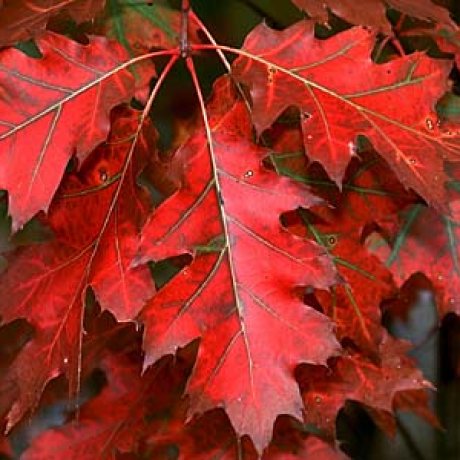
The Northern Red Oak is unmistakably elegant in its proportions. Picture a massive, rounded crown that can span 60 feet or more at maturity, supported by a thick, commanding trunk with deeply furrowed bark. The leaves are among the largest of any oak—deeply lobed and bristle-tipped, with a glossy dark green appearance throughout the growing season. But here’s where this tree truly excels: come autumn, those leaves don’t fade politely into yellow. Instead, they ignite. Deep reds, burnt oranges, and scarlet tones flood the canopy, often holding their color well into November in Connecticut. Even in winter, the dark, sturdy branching structure provides architectural interest and shelter for wildlife.
Growing it in your garden
This is where the Northern Red Oak proves itself as a Connecticut native champion. Unlike finicky ornamentals that demand perfect conditions, QUERCUS RUBRA is adaptable and forgiving. It handles our rocky New England soils, our inconsistent rainfall, and our temperature swings like an old friend. Plant it in full sun to part shade—it’ll thrive either way, though it colors up most dramatically with good sunlight. The tree prefers slightly acidic soils, which happen to be exactly what most of Connecticut naturally offers. Drainage matters somewhat, but this isn’t a dainty plant; it’ll manage in average to well-drained conditions.
This oak is genuinely low-maintenance once established. Unlike some trees that need years of coddling, a Northern Red Oak settles in and gets to work relatively quickly. You’re not nursing a temperamental specimen; you’re planting a resilient, vigorous grower that will reach up toward the sky with enthusiasm.
Through the seasons
Spring brings a flush of new growth with reddish tinges—a hint of the brilliance to come. The catkins appear in late April and May, adding subtle texture and releasing pollen into the Connecticut air. Summer is when the tree does its quiet work, building strength and mass under its full canopy of glossy green foliage. It creates dappled shade beneath—ideal for a shaded garden underneath.
Fall is the Northern Red Oak’s moment of glory. The transformation is genuine and dramatic, not the subtle yellow-orange of some trees. Then comes winter, when the structure of the tree becomes visible again, and those sturdy branches provide shelter and nesting sites for countless birds and squirrels.
Where it shines
This is your tree for spacious yards, open fields, and properties where you have room for a majestic specimen to reach its full potential. Northern Red Oaks make spectacular shade trees for large lawns. They’re perfect as anchors for property lines, focal points in meadow plantings, or the dominant tree in a naturalistic landscape. Because they produce abundant acorns, they’re also invaluable for supporting wildlife—those acorns feed deer, squirrels, turkeys, and jays throughout fall and winter.
In urban and suburban settings with space constraints, you might want to consider a smaller cultivar, but in a landscape where this oak can truly spread its branches, it’s incomparable.
Perfect companions
Pair your Northern Red Oak with native understory plantings that thrive in its dappled shade. Serviceberry (AMELANCHIER), eastern redbud (CERCIS CANADENSIS), and native dogwoods create a beautiful multi-layered effect. Below, plant native ferns, hellebores, and shade-tolerant perennials. For a wilder, more naturalistic feel, allow native shrubs like elderberry and viburnum to grow in clusters around the oak’s base. These companions echo the oak’s native heritage while creating habitat and visual interest year-round.
Care tips
Water regularly during the first year while the root system establishes itself, but then step back and let nature take over. Northern Red Oaks don’t need fertilizing in healthy soil. Prune only to remove dead wood or crossed branches—and do this in late winter or early spring before the sap runs too heavily. Young trees benefit from a low branch removed here and there to encourage a strong central leader, but beyond that, this tree handles itself beautifully. No pampering required.
Quick facts
- Hardiness Zone: 3–9 (ideal for all of Connecticut)
- Mature Height & Spread: 60–75 feet tall, 45–60 feet wide
- Bloom Season: April–May (catkins)
- Light Requirements: Full sun to part shade
- Water Needs: Average to well-drained; drought-tolerant once established
- Available at: Both our retail and wholesale locations