Description
RHODODENDRON CATAWBIENSE ‘ROSEUM ELEGANS’
What if one plant could deliver the architectural drama, the romantic blooms, and the reliable hardiness that Connecticut gardeners dream about? The Roseum Elegans Rhododendron is that plant. It’s the rhododendron that doesn’t require you to relocate to North Carolina or spend your evenings worrying about winter kill. Instead, it thrives in our challenging New England climate, year after year, rewarding you with waves of rose-pink flowers that seem almost too elegant to be real.
What it looks like
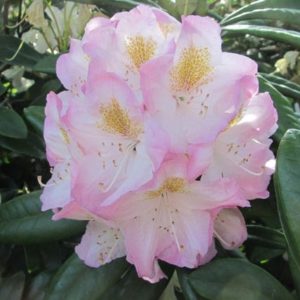
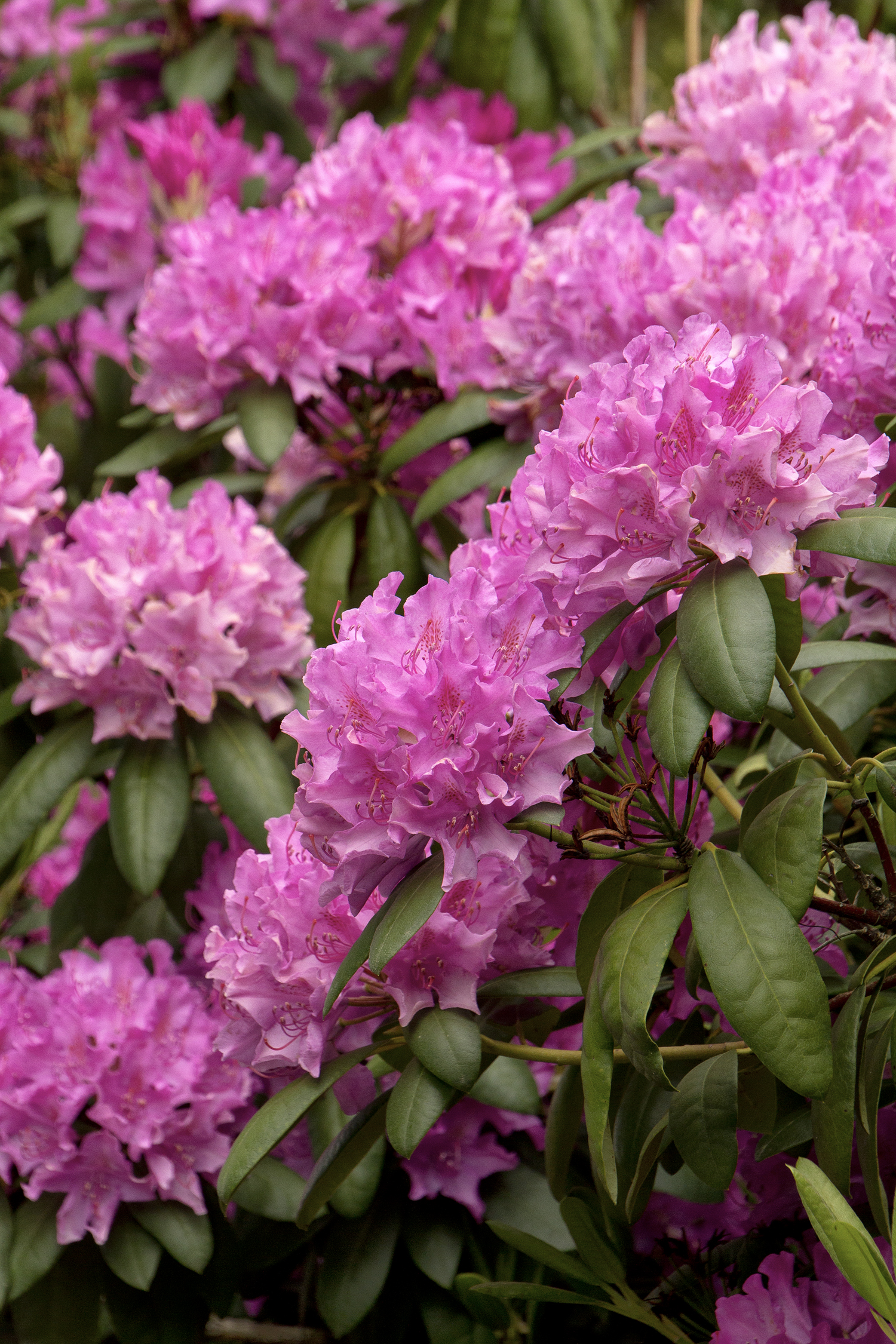
This is a showstopper with substantial presence. The Roseum Elegans grows as a dense, mounding evergreen shrub with deep green, leathery foliage that provides structure and richness to the garden even in winter’s bare months. But it’s the flowers that make gardeners stop and stare—clusters of delicate rose-pink blooms, each flower individually ruffled and refined, opening in late spring like a formal garden party. The color is sophisticated without being shy: a true rose-pink that seems to glow in partly shaded conditions. The trusses are full and abundant, creating a dramatic floral display that transforms the shrub into something almost architectural.
Growing it in your garden
Here’s what makes Roseum Elegans different from so many rhododendrons: it actually wants to grow here. Selected specifically for hardiness in the upper South and lower New England, this cultivar of RHODODENDRON CATAWBIENSE was bred to handle our temperature swings, our heavy clay soils, and our unpredictable springs. That said, it does appreciate thoughtful placement. Afternoon shade is ideal—morning sun with afternoon protection keeps the foliage fresh and the blooms from fading in heat. In full shade, it will still bloom, though less prolifically. The key is ensuring the soil drains well; even though it’s tough, it’s not a swamp plant. Mix in generous amounts of peat moss or pine bark to lighten dense Connecticut clay, creating the slightly acidic, organic-rich conditions that rhododendrons crave.
Through the seasons
Spring is the obvious star: those rose-pink trusses steal the show from May through early June, depending on your location within Connecticut. But this plant is hardly a one-hit wonder. Summer brings lush, deep green foliage that reads as substantial and healthy, creating a backdrop for other plantings or standing beautifully on its own. Fall transitions are subtle—the leaves remain evergreen and glossy, occasionally taking on deeper bronze tones in particularly cold autumns. Winter is where Roseum Elegans proves its mettle. The foliage darkens and toughens, the plant settles into a compact form, and when snow decorates those leathery leaves, the effect is genuinely lovely. Unlike deciduous shrubs that disappear, this evergreen provides year-round structure and garden presence.
Where it shines
Roseum Elegans is perfect for creating a rhododendron border—plant several together for a stunning spring display without worrying if one won’t survive. It anchors mixed perennial beds beautifully, providing evergreen backbone and seasonal drama. Use it as a specimen plant where its elegant form and flowers can be appreciated up close. Because it’s reliably hardy in zones 4 through 8, it excels in foundation plantings, mid-border positions, and transitional areas between the sunny lawn and the deep woodland edge. It’s also excellent in woodland gardens where dappled light filters through deciduous trees.
Perfect companions
Pair Roseum Elegans with other shade-tolerant plants that share its preference for acidic soil. Azaleas (especially AZALEA ‘GIBRALTAR’ with its vibrant orange) create a striking color contrast. Shade-loving perennials like hellebores, hostas, and foamflowers soften the structure without competing. Evergreen ferns like Christmas fern add textural contrast. Underplant with shade-tolerant groundcovers like vinca or creeping phlox for a finished, layered look. Early spring bulbs like snowdrops and hellebores bloom just before the rhododendron reaches its peak, extending your spring show.
Care tips
Mulch heavily with shredded pine bark or oak leaves to maintain the acidic soil conditions and moderate root temperature extremes. Water deeply and consistently during the first two seasons while the plant establishes; mature plants are quite drought-tolerant once settled. Deadhead spent flowers just below the truss (but above next year’s buds) to redirect energy into new growth. Prune only to shape after flowering; this plant is naturally dense and mounding, so pruning is rarely necessary. In harsh winters, provide some windbreak protection if planted in an exposed location. That’s genuinely it—this is a low-maintenance plant that repays basic care with years of reliable performance.
Quick facts
- Hardiness Zone: 4–8 (reliably hardy throughout Connecticut)
- Mature Height & Spread: 5–6 feet tall and wide
- Bloom Season: Late May through early June
- Light Requirements: Partial shade to dappled shade; morning sun with afternoon protection ideal
- Water Needs: Moderate; consistent moisture until established, then drought-tolerant
- Available at: Both our retail and wholesale locations