
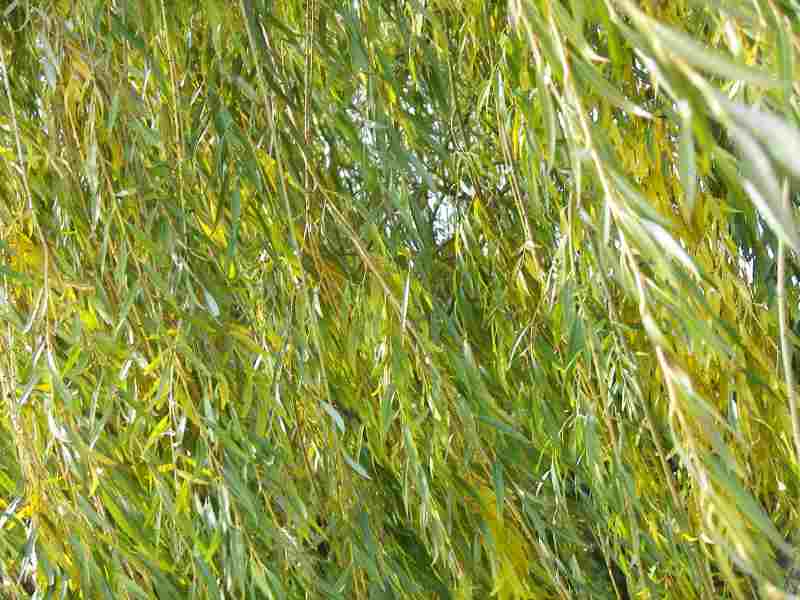
Description
SALIX ALBA ‘TRISTIS’
There’s something almost magical about a Weeping Willow. Maybe it’s the way those cascading branches move in the slightest breeze, creating a curtain of soft green that seems to dance without ever quite touching the ground. Or maybe it’s simply that this tree has captured our imaginations for centuries—the very symbol of grace, elegance, and a certain romantic melancholy. Whatever the reason, if you’ve ever dreamed of having that iconic weeping form in your garden, especially here in Connecticut where we have the moisture these beauties crave, now is the time to make it happen.
What it looks like
The Weeping Willow is instantly recognizable, with its long, pendulous branches that sweep downward in the most graceful arc imaginable. The narrow, lance-shaped leaves are a soft yellow-green, creating a feathery texture that catches light beautifully. In spring, it produces delicate catkins—those fuzzy flower buds—before the leaves fully emerge. The bark is smooth and grayish-green on younger specimens, becoming more textured and deeply furrowed as the tree matures. This is a large tree with a proportionally broad canopy, creating a weeping form that can reach 40 to 60 feet tall with nearly equal spread. It’s a living sculpture, truly.
Growing it in your garden
Here’s what you need to know right from the start: Weeping Willows are water-lovers, and they’re happiest when their roots can access consistent moisture. In Connecticut, this means they thrive near water features—ponds, streams, low-lying areas where water naturally collects. They’ll tolerate some drier conditions once established, but they really perform best where moisture is reliable. They’re not particularly fussy about soil type, handling everything from clay to sandy loam with equal enthusiasm. And here’s good news: they’re extremely hardy throughout New England, unfazed by our coldest winters.
Plant your Weeping Willow in a location where it has plenty of room to spread. These are not trees to squeeze into a small corner. They need space to show off their magnificent form. Full sun to partial shade works well, though they’ll give you the most impressive weeping display with six or more hours of direct sunlight daily.
Through the seasons
Spring is when the magic starts. Those catkins appear first, giving the tree an almost fuzzy quality before the leaves unfurl in that distinctive yellow-green. By early summer, the full canopy has developed, and on warm June afternoons, the whole tree seems to gently sway. Summer is when this tree truly shines—that graceful form is on full display, providing dappled shade beneath its branches and a sense of movement and life.
Fall brings more subtle changes. The leaves shift to a pale yellow before dropping, and the tree’s architecture becomes slightly more visible. By winter, the bare branches create an almost skeletal beauty—those long, drooping limbs trace elegant lines against grey Connecticut skies. Some gardeners find the winter silhouette even more striking than the leafed-out version.
Where it shines
A Weeping Willow is the perfect focal point for waterside plantings. If you have a pond, stream, or even a rain garden, this is your statement tree. It’s also magnificent as a standalone specimen in a larger landscape where it can be viewed from all angles. The weeping form works beautifully at the edge of a property line, creating a natural, flowing boundary. In Connecticut gardens, it pairs wonderfully with other moisture-loving plants that share its preference for damp soil.
Perfect companions
Near water features, pair your Weeping Willow with moisture-loving understory plants. River Birch, another graceful native, creates a stunning textural contrast. At ground level, consider Joe-Pye Weed for its architectural interest, or Siberian Iris for spring color. Sedges and other water-edge lovers fill in the base plantings beautifully. The soft, flowing form of the willow complements more structured plants—it’s the romantic lead that makes your supporting cast look even better.
Care tips
Weeping Willows are generally low-maintenance once established, but a few things help them thrive. Water deeply and regularly during dry spells—they’ll let you know if they’re stressed by developing a slightly wilted appearance. Prune selectively in late winter to maintain shape and remove any dead or crossing branches. They’re susceptible to a few pests and diseases (scale, canker, and occasional willow beetle), but most issues are minor if the tree is growing vigorously in appropriate conditions. Watch for signs of stress in dry years and water accordingly.
Quick facts
- Hardiness Zone: 2-8
- Mature Height & Spread: 40-60 feet tall, 35-50 feet wide
- Bloom Season: Early spring (catkins)
- Light Requirements: Full sun to partial shade
- Water Needs: High; prefers moist to wet soil
- Available at: Both our retail and wholesale locations.