SEDUM ‘GOLDMOUND’

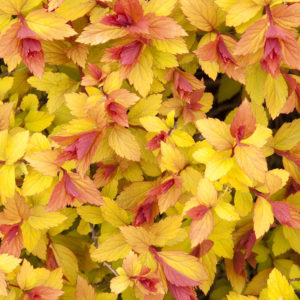
If you’ve been searching for a plant that practically laughs in the face of neglect while delivering months of eye-catching color, your search is over. SEDUM ‘GOLDMOUND’ is the carefree stunner that turns sun-drenched garden beds into something genuinely spectacular without demanding anything in return. This little powerhouse transforms from glowing chartreuse in spring to burnished apricot-gold by summer, deepening to coppery-red when autumn’s cool nights arrive. It’s reliable in a way that makes gardening feel less like work and more like magic.

What it looks like

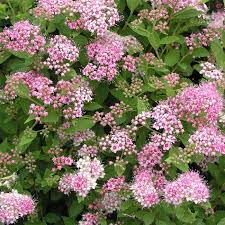
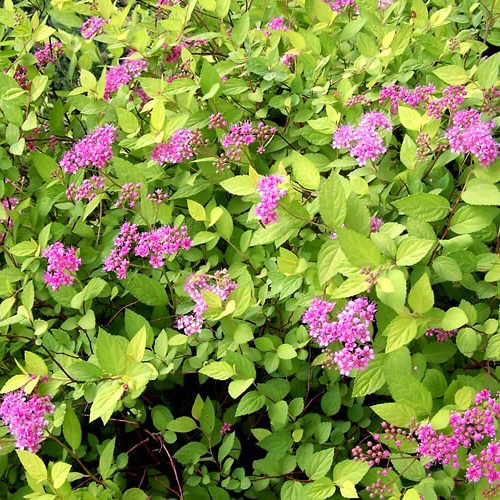
SEDUM ‘GOLDMOUND’ grows as a compact, dense mound of fleshy, spoon-shaped foliage that stays tidy and proportional all season long. At maturity, it creates a gorgeous low dome rarely exceeding 12 inches tall, making it perfect for edging beds or filling pockets in rock gardens. The leaves are the real show here—soft and succulent, they shift through an entire palette of warm tones depending on light intensity and temperature. In peak summer heat, they glow like miniature golden coins, hence the fitting name. Come late summer, delicate clusters of tiny star-shaped flowers appear in pale pink, creating an unexpected delicate contrast against the bold foliage.

Growing it in your garden

SEDUM ‘GOLDMOUND’ is refreshingly straightforward to grow. It thrives in full sun—and we mean truly full sun, ideally six hours or more daily—where it develops its most dramatic coloring. Plant it in well-draining soil, which is really the only hard requirement. In Connecticut’s climate, this means amending heavy clay with gravel or sand to ensure water doesn’t linger around the roots. Sedums despise wet feet, so if you’re dealing with a naturally boggy area, this isn’t your plant. But in a sunny spot with decent drainage? It’s practically foolproof. Space plants 12 to 18 inches apart; they’ll fill in nicely without crowding.

Through the seasons

Spring brings that cheerful chartreuse emergence—fresh, bright, and full of promise. As temperatures warm through May and June, the foliage gradually intensifies to true gold, reflecting sunlight beautifully. Those delicate pink flowers arrive in mid to late summer, providing gentle interest above the bold foliage. Here’s where SEDUM ‘GOLDMOUND’ becomes absolutely essential in New England gardens: when autumn arrives and other plants fade to brown, this sedum shifts into jewel tones of burnt orange and deep red. It holds these colors right through November, sometimes even into December depending on your specific microclimate. Many gardeners leave the dried foliage standing through winter—it looks architectural and charming dusted with snow. The plant is deciduous, so expect it to fade back in early spring before that chartreuse re-emerges.

Where it shines

This is your answer for sunny borders, rock gardens, and alpine troughs. Use it to edge pathways where it catches morning light beautifully. It’s outstanding in containers, either standalone or woven into mixed combinations with other sun-loving companions. Because of its compact habit and year-round visual interest, SEDUM ‘GOLDMOUND’ works beautifully as part of a layered planting scheme—tuck it in front of taller ornamental grasses or in the foreground of perennial beds where its changing colors provide continuity from season to season. It’s also an excellent choice for green roofs and living walls, where its shallow roots and minimal water needs are genuine advantages.

Perfect companions

Pair SEDUM ‘GOLDMOUND’ with other sun-loving sedums for a monochromatic but textural study in form and color—try it alongside SEDUM ‘AUTUMN FIRE’ or SEDUM SPURIUM varieties. For contrast, combine it with silver-foliaged plants like Artemisia or dusty miller, which play beautifully against the warm tones. Ornamental grasses like Festuca glauca create a soft, feathery counterpoint to the sedum’s dense mounding form. In containers, pair it with upright succulents like Echeveria or cascading STRING OF PEARLS for dynamic dimension.

Care tips

Water regularly during the first season to establish a strong root system, but then step back and let Mother Nature take over. Once established, SEDUM ‘GOLDMOUND’ needs virtually no supplemental watering in Connecticut—our typical rainfall is usually adequate. Never fertilize; poor soil actually intensifies color development. In spring, you can lightly trim back any winter damage, but generally, this plant needs zero pruning. If it ever gets lanky or sparse-looking (which happens in shady conditions), it’s telling you it needs more sun. Pests rarely bother sedums, and disease is essentially nonexistent when drainage is good. That’s the beauty of working with plants that genuinely want to thrive.

Quick facts

  • Hardiness Zone: 3–9
  • Mature Height & Spread: 8–12 inches tall, 12–18 inches wide
  • Bloom Season: Late summer to early fall
  • Light Requirements: Full sun (6+ hours daily)
  • Water Needs: Low; excellent drought tolerance once established
  • Available at: Both our retail and wholesale locations
Goldmound

Category:

Gold leaves throughout the growing season make this a welcomed addition to the landscape. Pink flowers are present May through June.

Zoning: 3-8
Mature Height and Spread: 2-3’

Description

SEDUM ‘GOLDMOUND’

If you’ve been searching for a plant that practically laughs in the face of neglect while delivering months of eye-catching color, your search is over. SEDUM ‘GOLDMOUND’ is the carefree stunner that turns sun-drenched garden beds into something genuinely spectacular without demanding anything in return. This little powerhouse transforms from glowing chartreuse in spring to burnished apricot-gold by summer, deepening to coppery-red when autumn’s cool nights arrive. It’s reliable in a way that makes gardening feel less like work and more like magic.

What it looks like

SEDUM ‘GOLDMOUND’ grows as a compact, dense mound of fleshy, spoon-shaped foliage that stays tidy and proportional all season long. At maturity, it creates a gorgeous low dome rarely exceeding 12 inches tall, making it perfect for edging beds or filling pockets in rock gardens. The leaves are the real show here—soft and succulent, they shift through an entire palette of warm tones depending on light intensity and temperature. In peak summer heat, they glow like miniature golden coins, hence the fitting name. Come late summer, delicate clusters of tiny star-shaped flowers appear in pale pink, creating an unexpected delicate contrast against the bold foliage.

Growing it in your garden

SEDUM ‘GOLDMOUND’ is refreshingly straightforward to grow. It thrives in full sun—and we mean truly full sun, ideally six hours or more daily—where it develops its most dramatic coloring. Plant it in well-draining soil, which is really the only hard requirement. In Connecticut’s climate, this means amending heavy clay with gravel or sand to ensure water doesn’t linger around the roots. Sedums despise wet feet, so if you’re dealing with a naturally boggy area, this isn’t your plant. But in a sunny spot with decent drainage? It’s practically foolproof. Space plants 12 to 18 inches apart; they’ll fill in nicely without crowding.

Through the seasons

Spring brings that cheerful chartreuse emergence—fresh, bright, and full of promise. As temperatures warm through May and June, the foliage gradually intensifies to true gold, reflecting sunlight beautifully. Those delicate pink flowers arrive in mid to late summer, providing gentle interest above the bold foliage. Here’s where SEDUM ‘GOLDMOUND’ becomes absolutely essential in New England gardens: when autumn arrives and other plants fade to brown, this sedum shifts into jewel tones of burnt orange and deep red. It holds these colors right through November, sometimes even into December depending on your specific microclimate. Many gardeners leave the dried foliage standing through winter—it looks architectural and charming dusted with snow. The plant is deciduous, so expect it to fade back in early spring before that chartreuse re-emerges.

Where it shines

This is your answer for sunny borders, rock gardens, and alpine troughs. Use it to edge pathways where it catches morning light beautifully. It’s outstanding in containers, either standalone or woven into mixed combinations with other sun-loving companions. Because of its compact habit and year-round visual interest, SEDUM ‘GOLDMOUND’ works beautifully as part of a layered planting scheme—tuck it in front of taller ornamental grasses or in the foreground of perennial beds where its changing colors provide continuity from season to season. It’s also an excellent choice for green roofs and living walls, where its shallow roots and minimal water needs are genuine advantages.

Perfect companions

Pair SEDUM ‘GOLDMOUND’ with other sun-loving sedums for a monochromatic but textural study in form and color—try it alongside SEDUM ‘AUTUMN FIRE’ or SEDUM SPURIUM varieties. For contrast, combine it with silver-foliaged plants like Artemisia or dusty miller, which play beautifully against the warm tones. Ornamental grasses like Festuca glauca create a soft, feathery counterpoint to the sedum’s dense mounding form. In containers, pair it with upright succulents like Echeveria or cascading STRING OF PEARLS for dynamic dimension.

Care tips

Water regularly during the first season to establish a strong root system, but then step back and let Mother Nature take over. Once established, SEDUM ‘GOLDMOUND’ needs virtually no supplemental watering in Connecticut—our typical rainfall is usually adequate. Never fertilize; poor soil actually intensifies color development. In spring, you can lightly trim back any winter damage, but generally, this plant needs zero pruning. If it ever gets lanky or sparse-looking (which happens in shady conditions), it’s telling you it needs more sun. Pests rarely bother sedums, and disease is essentially nonexistent when drainage is good. That’s the beauty of working with plants that genuinely want to thrive.

Quick facts

  • Hardiness Zone: 3–9
  • Mature Height & Spread: 8–12 inches tall, 12–18 inches wide
  • Bloom Season: Late summer to early fall
  • Light Requirements: Full sun (6+ hours daily)
  • Water Needs: Low; excellent drought tolerance once established
  • Available at: Both our retail and wholesale locations