Little Princess

If you’re looking for a dwarf spirea that brings reliable charm to your Connecticut garden year after round, Little Princess (SPIRAEA JAPONICA ‘LITTLE PRINCESS’) is absolutely worth making space for. This petite powerhouse has stolen the hearts of New England gardeners for good reason—it’s practically foolproof, adapts beautifully to our variable climate, and rewards you with months of delicate pink flowers without demanding much in return. Whether you’re a seasoned gardener or just starting to explore shrubs, this little gem will make you feel like a pro.

What it looks like

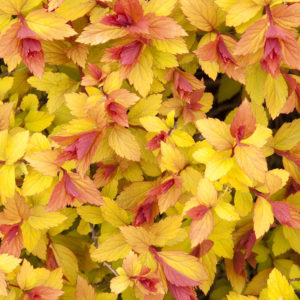
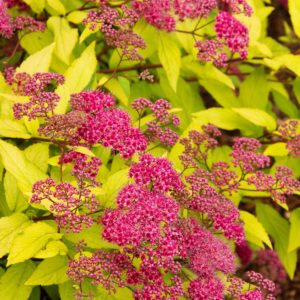
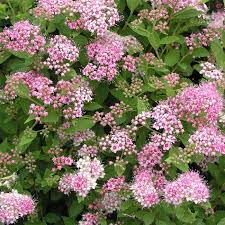
Don’t let the name fool you—while Little Princess is definitely compact, it packs a lot of personality into a small package. This tidy deciduous shrub typically grows into a dense, mounded form that looks like nature’s own garden sculpture. The foliage is delicate and fine-textured, with narrow green leaves that emerge with a slightly bronze-tinged hue in spring before settling into a soft green throughout the growing season. But here’s where it really shines: come mid to late summer, Little Princess transforms into a cloud of tiny, pale pink flowers that cluster together in delicate, lacy panicles. The blooms are absolutely charming up close, and from a distance, they create this beautiful soft pink haze across the shrub. As temperatures cool in fall, the foliage takes on warm bronze and reddish tones before dropping for winter.

Growing it in your garden

One of my favorite things about Little Princess is how forgiving it is in Connecticut gardens. This spirea thrives in full sun, which means at least six hours of direct sunlight daily—and honestly, the more sun you can give it, the more prolifically it’ll bloom. If you’re in a spot with afternoon shade, especially during our hot summer months, it’ll still do just fine. The plant is remarkably adaptable when it comes to soil, though it prefers well-draining conditions. Our Connecticut soil can be quite variable, and I’ve seen Little Princess succeed in everything from slightly acidic woodland edges to more neutral garden beds. The key is making sure water doesn’t pool around the roots during our rainy springs or wet periods. It’s hardy to Zone 4, which means it’ll handle our New England winters without batting an eye—even our occasional brutal stretches.

Through the seasons

Spring is when Little Princess begins its show, as the leaves emerge and slowly unfurl into that fresh green color. By early summer, you’ll start seeing flower buds forming at the branch tips, and by mid to late summer, those magical pink blooms are in full glory. One wonderful characteristic of this spirea is that it has a long bloom season—we’re typically talking from June or July right through September or even into October if we’ve had a mild fall. That extended color is absolutely invaluable in the Connecticut landscape! Once temperatures drop and the foliage takes on those autumn bronze tones, the spent flower heads add winter interest if you leave them on the plant. Come spring, you start the cycle all over again.

Where it shines

Little Princess is incredibly versatile, which is why I see it thriving in so many different Connecticut gardens. It’s ideal for foundation plantings because of its controlled size and neat habit. It’s wonderful in shrub borders, where its fine texture contrasts beautifully with bolder-leafed plants. Many gardeners use it along pathways and driveways where it creates a gentle, welcoming edge without becoming overgrown or requiring constant pruning. It’s also perfect for those tricky spots where you need something that won’t get too tall but still offers seasonal interest. If you’re working with a smaller property—and let’s face it, many of us Connecticut gardeners have more modest spaces—this shrub won’t overwhelm the landscape.

Perfect companions

Little Princess plays well with others! I love pairing it with spring-blooming bulbs like tulips and daffodils, which finish their show just as the spirea’s flowers are beginning. Ornamental grasses make wonderful companions, especially taller varieties that provide vertical contrast to the spirea’s mounded shape. Coneflowers and black-eyed Susans are fantastic partners for creating a summer-long bloom display, and the fine texture of the spirea foliage really complements their bolder forms. You can also plant it near other shrubs like dwarf hydrangeas or serviceberries to create a mixed border with interesting textures and layered interest.

Care tips

Here’s where Little Princess really earns its reputation as a low-maintenance plant. It needs moderate watering, especially during its first year of establishment and during our dry spells, but once settled in, it’s quite drought-tolerant. Pruning is minimal—you can trim it lightly after flowering to maintain its shape, or give it a more substantial prune in early spring if you want to rejuvenate it. Many gardeners don’t prune at all and let the plant develop its naturally attractive form. The spirea isn’t bothered by most pests or diseases, which is a real bonus in our humid New England summers.

Quick facts

  • Hardiness Zone: 4-8
  • Mature Height & Spread: 2-3 feet tall and wide
  • Bloom Season: Mid-summer to fall (June-September)
  • Light Requirements: Full sun to part shade
  • Water Needs: Moderate; drought-tolerant once established
  • Available at: Both our retail and wholesale locations.

Little Princess

Category:

Large leaves with deep pink flowers.

Zoning: 4-8
Mature Height and Spread: 2-3’

Description

Little Princess

If you’re looking for a dwarf spirea that brings reliable charm to your Connecticut garden year after round, Little Princess (SPIRAEA JAPONICA ‘LITTLE PRINCESS’) is absolutely worth making space for. This petite powerhouse has stolen the hearts of New England gardeners for good reason—it’s practically foolproof, adapts beautifully to our variable climate, and rewards you with months of delicate pink flowers without demanding much in return. Whether you’re a seasoned gardener or just starting to explore shrubs, this little gem will make you feel like a pro.

What it looks like

Don’t let the name fool you—while Little Princess is definitely compact, it packs a lot of personality into a small package. This tidy deciduous shrub typically grows into a dense, mounded form that looks like nature’s own garden sculpture. The foliage is delicate and fine-textured, with narrow green leaves that emerge with a slightly bronze-tinged hue in spring before settling into a soft green throughout the growing season. But here’s where it really shines: come mid to late summer, Little Princess transforms into a cloud of tiny, pale pink flowers that cluster together in delicate, lacy panicles. The blooms are absolutely charming up close, and from a distance, they create this beautiful soft pink haze across the shrub. As temperatures cool in fall, the foliage takes on warm bronze and reddish tones before dropping for winter.

Growing it in your garden

One of my favorite things about Little Princess is how forgiving it is in Connecticut gardens. This spirea thrives in full sun, which means at least six hours of direct sunlight daily—and honestly, the more sun you can give it, the more prolifically it’ll bloom. If you’re in a spot with afternoon shade, especially during our hot summer months, it’ll still do just fine. The plant is remarkably adaptable when it comes to soil, though it prefers well-draining conditions. Our Connecticut soil can be quite variable, and I’ve seen Little Princess succeed in everything from slightly acidic woodland edges to more neutral garden beds. The key is making sure water doesn’t pool around the roots during our rainy springs or wet periods. It’s hardy to Zone 4, which means it’ll handle our New England winters without batting an eye—even our occasional brutal stretches.

Through the seasons

Spring is when Little Princess begins its show, as the leaves emerge and slowly unfurl into that fresh green color. By early summer, you’ll start seeing flower buds forming at the branch tips, and by mid to late summer, those magical pink blooms are in full glory. One wonderful characteristic of this spirea is that it has a long bloom season—we’re typically talking from June or July right through September or even into October if we’ve had a mild fall. That extended color is absolutely invaluable in the Connecticut landscape! Once temperatures drop and the foliage takes on those autumn bronze tones, the spent flower heads add winter interest if you leave them on the plant. Come spring, you start the cycle all over again.

Where it shines

Little Princess is incredibly versatile, which is why I see it thriving in so many different Connecticut gardens. It’s ideal for foundation plantings because of its controlled size and neat habit. It’s wonderful in shrub borders, where its fine texture contrasts beautifully with bolder-leafed plants. Many gardeners use it along pathways and driveways where it creates a gentle, welcoming edge without becoming overgrown or requiring constant pruning. It’s also perfect for those tricky spots where you need something that won’t get too tall but still offers seasonal interest. If you’re working with a smaller property—and let’s face it, many of us Connecticut gardeners have more modest spaces—this shrub won’t overwhelm the landscape.

Perfect companions

Little Princess plays well with others! I love pairing it with spring-blooming bulbs like tulips and daffodils, which finish their show just as the spirea’s flowers are beginning. Ornamental grasses make wonderful companions, especially taller varieties that provide vertical contrast to the spirea’s mounded shape. Coneflowers and black-eyed Susans are fantastic partners for creating a summer-long bloom display, and the fine texture of the spirea foliage really complements their bolder forms. You can also plant it near other shrubs like dwarf hydrangeas or serviceberries to create a mixed border with interesting textures and layered interest.

Care tips

Here’s where Little Princess really earns its reputation as a low-maintenance plant. It needs moderate watering, especially during its first year of establishment and during our dry spells, but once settled in, it’s quite drought-tolerant. Pruning is minimal—you can trim it lightly after flowering to maintain its shape, or give it a more substantial prune in early spring if you want to rejuvenate it. Many gardeners don’t prune at all and let the plant develop its naturally attractive form. The spirea isn’t bothered by most pests or diseases, which is a real bonus in our humid New England summers.

Quick facts

  • Hardiness Zone: 4-8
  • Mature Height & Spread: 2-3 feet tall and wide
  • Bloom Season: Mid-summer to fall (June-September)
  • Light Requirements: Full sun to part shade
  • Water Needs: Moderate; drought-tolerant once established
  • Available at: Both our retail and wholesale locations.