
Description
SYRINGA MEYERI ‘PALIBIN’
What if one plant could deliver everything a Connecticut gardener craves? Fragrant purple blooms that stop you cold in April, a tidy form that needs barely any pruning, and the kind of cold hardiness that laughs at our unpredictable New England winters. The Dwarf Korean Lilac is that rare plant—all the romance of its full-sized cousins, wrapped in a perfectly manageable package. This isn’t just a smaller lilac; it’s a complete reimagining of what a lilac can be in a modern garden.
What it looks like
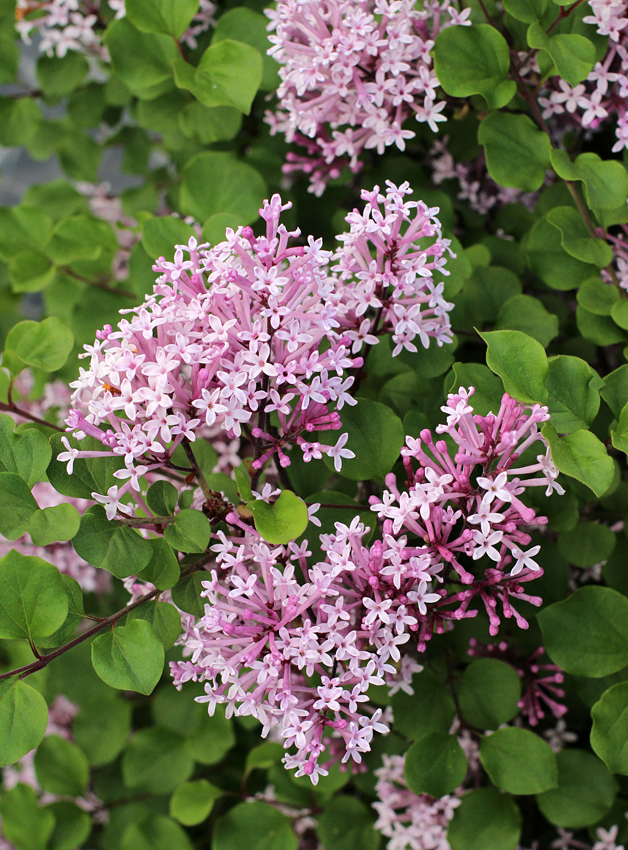
The Dwarf Korean Lilac grows into a dense, rounded shrub with a naturally compact habit—typically reaching just 4 to 5 feet tall and wide, though it can stretch slightly taller with age. Unlike some lilacs that look gaunt and leggy, this one fills out beautifully from the ground up, with fine-textured, dark green foliage that’s attractive even when the plant isn’t in bloom. Come spring, the branches disappear beneath masses of small, tubular flowers in a soft rosy-purple shade. The flower clusters are more delicate and refined than the classic French lilac, with a similar intoxicating fragrance that carries on the April breeze. The blooms last for several weeks, gradually fading to a dusty mauve before dropping cleanly.
Growing it in your garden
This is where the Dwarf Korean Lilac truly shines for Connecticut gardeners. It’s extraordinarily adaptable and doesn’t demand the fussy conditions that traditional lilacs sometimes require. Plant it in full sun to part shade—6 hours of direct sunlight will give you the most abundant flowering, but it’ll perform acceptably in lighter shade too. Soil-wise, it’s forgiving: it tolerates poor soil, slightly acidic conditions, and even some compaction. Unlike its larger relatives, it doesn’t develop the same chlorosis issues in heavy New England clay if you’re not careful, though all lilacs prefer well-draining soil and benefit from occasional amendment with compost. Give it space to breathe rather than tucking it into a cramped corner, and it’ll reward you with a naturally symmetrical form that requires minimal intervention.
Through the seasons
Spring is undeniably the star season here—those fragrant purple flowers are the whole point. But the Dwarf Korean Lilac earns its place in your garden beyond those four glorious weeks. The dark green foliage provides solid, attractive structure throughout summer, maintaining its color without the fading that some cultivars develop in heat. Fall brings a subtle golden-green tone to the leaves before they drop, revealing attractive gray-brown stems that add winter interest. The shrub’s dense branching structure creates attractive texture in the winter landscape, especially lovely after a fresh snow.
Where it shines
Smaller gardens and foundation plantings are this lilac’s natural home. It’s ideal for urban and suburban Connecticut properties where space is precious and you want a statement plant that doesn’t require aggressive pruning. Use it as a specimen shrub in a perennial border, where it provides spring spectacle and then acts as a foliage backdrop for summer bloomers. It’s wonderful near a seating area where you can enjoy the fragrance on warm April afternoons. Because it’s more refined than larger lilacs, it works beautifully in contemporary landscape designs, not just traditional cottage gardens. It’s also excellent in containers if you have a sunny patio and can ensure regular watering.
Perfect companions
Pair the Dwarf Korean Lilac with spring bulbs—tulips and daffodils bloom simultaneously and create a stunning layered effect. Combine it with other early-spring shrubs like FORSYTHIA or SPIRAEA for an extended season of color. Later in the season, let it anchor a perennial planting of bearded iris, catmint, and salvia. Evergreen companions like dwarf conifers or boxwood provide year-round structure and make the lilac’s spring flowers pop even more. Late-blooming perennials like Russian sage and stonecrop will hide any bare lower stems as the season progresses.
Care tips
Deadheading spent flower clusters encourages a neater appearance and can sometimes promote a light second flush of blooms, though this isn’t reliable. If you want to prune, do it immediately after flowering while you can still see the spent blooms; any pruning in late summer or fall will remove next year’s flower buds. Thin out crossing branches if the shrub becomes too dense, but otherwise, let its natural form shine through. Water regularly during establishment (your first season) and during dry stretches, but mature plants are quite drought-tolerant once established. No special fertilizer is needed; in fact, too much nitrogen encourages foliage at the expense of flowers. In Connecticut’s climate, the Dwarf Korean Lilac rarely suffers from the powdery mildew and scale problems that plague larger lilac varieties, making it genuinely low-maintenance.
Quick facts
- Hardiness Zone: Zones 3-7
- Mature Height & Spread: 4-5 feet tall and wide
- Bloom Season: April-early May
- Light Requirements: Full sun to part shade (6+ hours ideal)
- Water Needs: Moderate; drought-tolerant once established
- Available at: Both our retail and wholesale locations