
Description
TILIA CORDATA ‘GREENSPIRE’
What if one tree could be the answer to so many of a gardener’s prayers? The Greenspire Littleleaf Linden is that tree. It’s the kind of plant that makes you wonder why every street in Connecticut isn’t lined with them. With a naturally pyramidal form, reliable growth, and a genuine elegance that only lindens possess, this cultivar has earned its reputation as one of the finest shade trees for New England gardens. Whether you’re designing a small residential landscape or planning something more ambitious, TILIA CORDATA ‘GREENSPIRE’ brings a sophisticated, European sensibility to whatever space you give it.
What it looks like
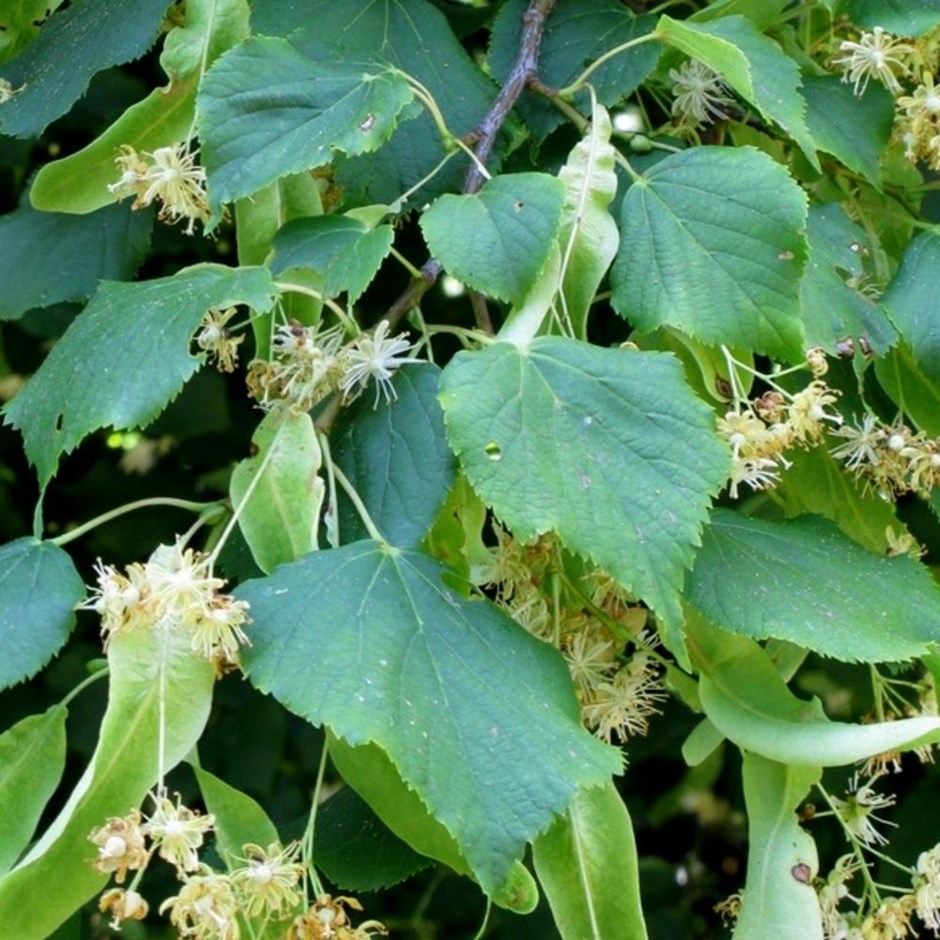
Greenspire Littleleaf Linden grows with a distinctly upright, pyramidal habit that requires minimal pruning to maintain its naturally attractive shape. The heart-shaped leaves are petite and delicate—hence the “littleleaf” designation—creating a fine, airy texture that feels altogether different from the heavier foliage of larger shade trees. In late spring to early summer, tiny fragrant flowers appear in clusters, a soft pale yellow that bees absolutely adore. These blooms emit one of the most divine scents in the plant world, filling your garden with a sweet, honey-like fragrance that drifts on warm afternoons.
The bark develops character as the tree matures, taking on a smooth, grayish-brown appearance that looks handsome even in winter. Even when bare, the branching structure is refined and attractive—there’s nothing coarse or aggressive about this tree’s winter silhouette.
Growing it in your garden
Greenspire Littleleaf Linden is remarkably adaptable, which is part of why it performs so well throughout Connecticut and the broader Northeast. It’s not fussy about soil type, though it does prefer slightly moist, well-draining conditions. The good news? It adapts readily to the clay soils common throughout our region. It’s also one of the few shade trees that actually tolerates urban conditions, air pollution, and the compacted soils you often find in developed areas.
This linden needs full sun to reach its potential—aim for at least six hours of direct sunlight daily. Plant it where it can stretch its branches without crowding from nearby structures or other trees. Because it develops such a clean, pyramidal form naturally, you’ll find yourself doing less corrective pruning than you might with other shade trees, which is always a welcome break in the gardening calendar.
Through the seasons
Spring arrives with emerging leaves that unfold in fresh, bright green—a lovely contrast to the gray bark. By late May or early June, those glorious flowers appear, transforming the entire tree into a fragrant beacon that benefits the whole neighborhood’s pollinator population. The scent alone makes this season special; many gardeners position seating areas where they can enjoy the fragrance fully.
Summer brings dense, cooling shade from the fine-textured canopy. The leaves remain a healthy, medium green all season long, neither turning an unfortunate yellow nor showing disease susceptibility the way some lindens can. This cultivar has excellent disease resistance, an important consideration given the leaf spot issues that plague some linden varieties in humid New England summers.
Fall color is a subtle, understated yellow-gold—not dramatic, but beautiful in its restraint. Leaves drop cleanly and relatively quickly, leaving you with that handsome winter branching structure. There’s no messy persistent fruit to rake endlessly; Greenspire produces few seeds, which is another reason arborists and landscape designers love it.
Where it shines
This is a specimen tree that wants to be noticed, so plant it where it can be the focal point. It’s magnificent as a standalone shade tree in a lawn setting, or use it to frame a house entrance or garden view. Greenspire also works beautifully in groupings of three or more for a more natural, woodland effect. Because of its refined texture and upright habit, it integrates beautifully into both traditional and contemporary garden designs.
If you’re creating a tree-lined pathway or driveway—that classic New England look—Greenspire Littleleaf Linden is an excellent choice. The consistent pyramidal form means even spacing reads as intentional and sophisticated without looking rigid.
Perfect companions
Underplant Greenspire with shade-tolerant understory plants like Liriope, native Connecticut ferns, or hellebores. The dense canopy creates wonderful afternoon shade, so anything that appreciates relief from hot sun is happy beneath it. Hydrangeas love the dappled shade, and hostas with their architectural foliage create a nice contrast to the linden’s delicate leaves. For season-long interest, combine with spring bulbs like daffodils and tulips, which will bloom before the canopy fully leafs out.
Care tips
Water regularly during the first two years after planting, especially during Connecticut’s dry spells. Once established, Greenspire is quite drought-tolerant compared to many shade trees. Prune in late winter before growth begins if you need to remove any crossed branches or shape the tree, though minimal pruning is usually required. Watch for aphids on the undersides of leaves in early summer—they’re occasionally attracted to lindens, but usually not a major issue. A strong water spray from the hose often solves minor aphid problems without pesticides.
This tree appreciates a light mulch layer around the base—keep it away from the trunk itself—to help retain soil moisture and moderate temperature fluctuations in our sometimes extreme New England springs and falls.
Quick facts
- Hardiness Zone: 3-8 (thrives throughout Connecticut)
- Mature Height & Spread: 40-50 feet tall, 25-30 feet wide
- Bloom Season: Late May to early July
- Light Requirements: Full sun (minimum 6 hours)
- Water Needs: Moderate; regular watering first two years, then drought-tolerant
- Available at: Both our retail and wholesale locations