
Description

VIBURNUM PLICATUM SSP. JAPONICUM ‘SHASTA’
What if one plant could deliver two seasons of pure garden magic? The Shasta Viburnum does exactly that—offering the showiest spring blooms you’ve ever seen, followed by a second act of glossy foliage and stunning summer structure that keeps your garden looking polished well into fall. This isn’t just another viburnum taking up space; it’s a garden statement piece that earns its place year after year.
What it looks like
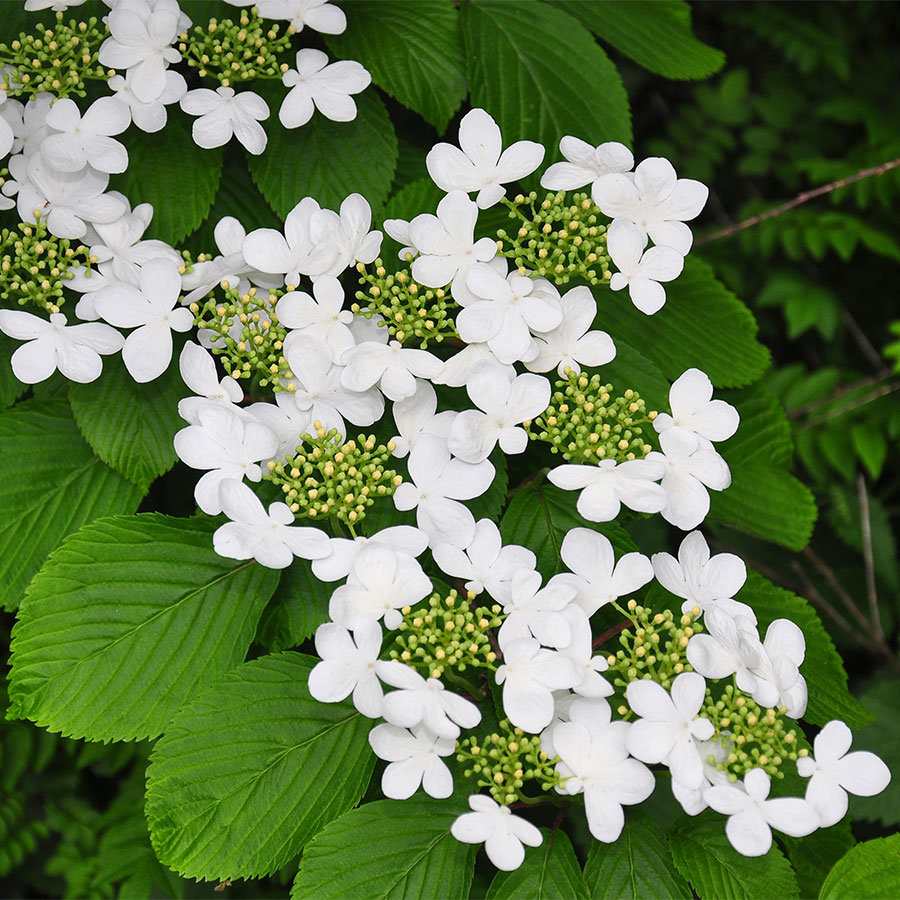
Shasta Viburnum is a deciduous shrub with a naturally graceful, horizontal branching habit that’s almost architectural in its elegance. In late spring, it explodes with flat-topped clusters of pure white flowers—we’re talking dozens of flower heads creating an almost lace-like effect across the entire plant. The blooms are sterile, which means they last longer than you’d expect, giving you three to four weeks of continuous floral display. The foliage that emerges after flowering is deep green, slightly pleated, and provides a handsome backdrop as the plant settles into summer. By autumn, the leaves shift to burgundy and deep purple tones before dropping.
Growing it in your garden
Here’s what makes Shasta Viburnum such a relief to grow: it’s genuinely unfussy about most conditions. It thrives in full sun to part shade—six or more hours of direct sunlight will give you the most abundant flowering, but it’ll perform beautifully even with afternoon shade in Connecticut’s hot summers. Unlike some viburnums that can be finicky about soil pH, Shasta adapts well to our typical New England soils, whether slightly acidic or neutral. It prefers consistently moist soil, especially during its first season of establishment, but once settled in, it’s quite drought-tolerant. In our region, you won’t need to baby it through winters; it’s completely cold-hardy and doesn’t suffer from the late spring frosts that can damage tender plants.
Through the seasons
Spring is when Shasta Viburnum absolutely steals the show. The flower buds emerge in a tight, sculptural form before opening into those spectacular white lace-cap blooms. Early summer brings fresh, vibrant green foliage and that structural quality that makes the plant look intentional and curated in your landscape. Through July and August, Shasta becomes a reliable green anchor, maintaining its form beautifully without requiring constant attention. Fall arrives with those gorgeous burgundy-purple tones, and even after the leaves drop, the elegant branching structure provides winter interest and movement in your garden. The horizontal branching is particularly stunning when dusted with snow.
Where it shines
This plant is perfect as a specimen shrub where you can appreciate its architectural branching and spring flower show. It’s equally stunning in a mixed border, where it provides vertical interest early in the season and then plays a supporting role to other spring bloomers. Shasta Viburnum works wonderfully as a screen or privacy hedge—you get function combined with beauty. It’s also excellent for foundation plantings where you want something more refined than typical evergreen shrubs. In woodland edges and naturalized settings around Connecticut properties, it brings a polished elegance that feels both cultivated and at home in the landscape.
Perfect companions
Plant Shasta Viburnum with other spring bloomers that echo different colors—imagine it paired with pink-flowering cherry trees or purple magnolias for a sophisticated seasonal display. Spring bulbs like tulips and alliums work beautifully at its base, extending the spring show. In summer, underplant it with shade-tolerant hostas or ferns that soften the base of the plant while you enjoy its structural form overhead. Combining it with other viburnums—perhaps a burgundy-foliaged VIBURNUM OPULUS for textural contrast—creates a dynamic shrub border with extended interest throughout the season.
Care tips
Shasta Viburnum requires minimal pruning, which is one of its greatest assets. Allow it to develop its natural branching habit; if you must prune, do it immediately after flowering to avoid cutting off next year’s flower buds. A thick layer of mulch around the base (keeping it a few inches away from the stem) helps retain moisture during Connecticut’s drier summers and moderates soil temperature. Fertilizing isn’t usually necessary if you’re adding organic matter annually, but a balanced slow-release fertilizer in early spring can support vigorous growth. Watch for occasional spider mites in very hot, dry conditions, but these are rarely problematic in New England.
Quick facts
- Hardiness Zone: Zones 5-8
- Mature Height & Spread: 8-10 feet tall and equally wide
- Bloom Season: Late spring (May)
- Light Requirements: Full sun to part shade
- Water Needs: Moderate; consistent moisture when establishing, then drought-tolerant
- Available at: Both our retail and wholesale locations