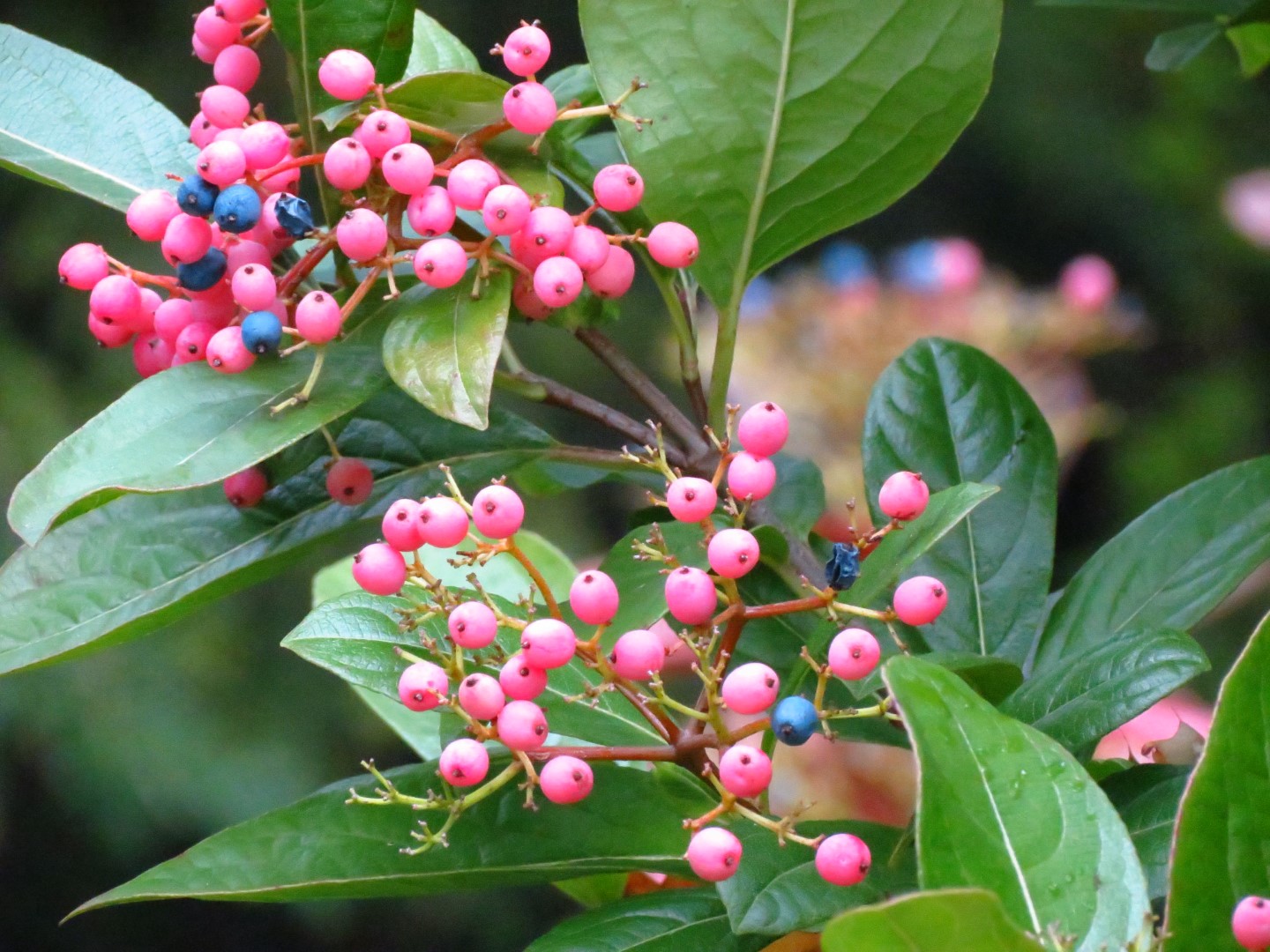
Winterthur Viburnum

If you’re looking for a viburnum that truly earns its place in a Connecticut garden, let me introduce you to Winterthur Viburnum – a showstopper that delivers on practically every front. This is one of those plants that makes you wonder why it isn’t in every New England landscape. With stunning spring blooms, gorgeous summer foliage, brilliant fall color, and eye-catching berries that the birds absolutely love, VIBURNUM OPULUS ‘WINTERTHUR’ is basically the overachiever of the viburnum world. It’s a cultivar that was actually developed at the famous Winterthur estate in Delaware, and it’s perfectly suited to our Connecticut growing conditions.

What it looks like

Winterthur Viburnum is a deciduous shrub with a naturally graceful, upright form that won’t need constant pruning to look good. The foliage is classic viburnum – deeply lobed, almost maple-like leaves that are bright green throughout the growing season. In late spring, it produces flat-topped clusters (we call them lacey cymes) of tiny white flowers that absolutely smother the plant, creating a gorgeous, airy effect that’s distinctly more delicate-looking than some of the heavier-flowering viburnums. Once those flowers fade, the real magic begins: the plant develops these brilliant translucent berries that start out yellow-orange and ripen to a stunning bright red. Here’s the best part – unlike some other viburnums, these berries actually stick around well into winter because the birds seem less interested in them, giving you months of ornamental value. The fall foliage is another major highlight, transitioning to deep burgundy and reddish tones that are absolutely gorgeous in a New England autumn.

Growing it in your garden

The wonderful news about Winterthur is that it’s genuinely easy to grow in Connecticut. This cultivar is bred to be tougher and more disease-resistant than the species viburnum, which is especially important in our humid New England climate where fungal issues can sometimes be a problem. It’s hardy right here in Zone 5, so you don’t need to baby it through our winters. Plant it in full sun to part shade – it’ll bloom more prolifically with at least six hours of direct sunlight, but it’ll also perform nicely in situations with dappled shade, which can be really valuable if you’re working with a partially shaded property like many of us are here in Connecticut. Winterthur is not fussy about soil, though it does appreciate moisture, especially during dry spells. Make sure it has decent drainage; while it likes consistent moisture, it won’t tolerate sitting in soggy soil. The plant has a naturally attractive shape, so you’re not looking at a high-maintenance pruning situation – that’s music to most gardeners’ ears!

Through the seasons

Spring is when Winterthur really makes its first big impression, with those abundant white flower clusters appearing in May and into early June. It’s absolutely beautiful when it’s in bloom, and the flowers have a subtle, delicate fragrance that’s quite lovely. As we move into summer, the emphasis shifts to the developing fruit and the lush green foliage, which provides excellent texture and structure in the garden. Summer is also when you’ll notice pollinators – bees love these flowers – which sets the stage for that incredible berry display. As fall arrives and our Connecticut temperatures cool down, the foliage puts on that brilliant burgundy-red show, often with the bright red berries still hanging on the branches. It’s a genuinely beautiful combination. Winter is when you’ll appreciate the persistent berries; they’ll glow like little jewels against the bare branches and any snow we might get. The architectural form of the plant is also more visible in winter, and it looks really elegant even without its leaves.

Where it shines

Winterthur Viburnum is incredibly versatile in the garden. It’s fantastic as a standalone specimen plant where you can really appreciate its structure and seasonal changes. It also works beautifully in mixed shrub borders, where it can provide height and interest among other plantings. Because it’s somewhat upright rather than spreading wide, it’s perfect if you need a taller screen or backdrop without taking up too much horizontal space – really useful in typical Connecticut residential lots where space is often at a premium. It’s also gorgeous planted near patios or windows where you can enjoy the spring flowers and fall color up close. If you’re working on wildlife gardening – which so many of us are these days – this is a top choice because it supports pollinators in spring and provides food for migrating birds in fall and winter.

Perfect companions

Winterthur pairs beautifully with other spring-blooming shrubs and perennials. Think about combining it with rhododendrons or azaleas for a stunning spring show with complementary colors. In fall, it creates a gorgeous color echo with Japanese maples, which have similar burgundy tones. Spring bulbs like tulips and daffodils look lovely planted around its base, and the viburnum’s eventual leafiness nicely hides their fading foliage. Summer-blooming perennials like coneflowers or black-eyed Susans will work well in front of it, and ornamental grasses add a nice textural contrast to the lobed viburnum foliage. Even evergreen companions like boxwood or euonymus create nice structural interest alongside it.

Care tips

Winterthur really doesn’t demand much once it’s established. Water regularly during the first season to help it get its roots established – important because our Connecticut summers can get dry. After that, it’s fairly drought-tolerant, though it’ll look its absolute best with regular watering during extended dry periods. Prune only if needed to maintain shape or remove dead wood, and do any significant pruning right after flowering. The cultivar ‘Winterthur’ was specifically selected for improved disease resistance, so you’re less likely to encounter the mildew or other issues that can plague less vigorous selections. Watch for Japanese beetles in summer – they can occasionally be an issue in Connecticut – but they don’t typically cause serious damage. A light feeding in early spring with a balanced fertilizer will keep it vigorous and blooming heavily.

Quick facts

  • Hardiness Zone: Zone 5 (perfect for Connecticut)
  • Mature Height & Spread: 10-12 feet tall, 6-8 feet wide
  • Bloom Season: Late May to early June
  • Light Requirements: Full sun to part shade
  • Water Needs: Moderate; prefers consistent moisture but tolerates some dryness once established
  • Available at: Both our retail and wholesale locations

Winterthur Viburnum

Category:

This deer resistant Viburnum has beautiful pie shaped flowers followed by white to black berries.

Zoning: 5-9
Mature Height and Spread: 5-7’

Description

Winterthur Viburnum

If you’re looking for a viburnum that truly earns its place in a Connecticut garden, let me introduce you to Winterthur Viburnum – a showstopper that delivers on practically every front. This is one of those plants that makes you wonder why it isn’t in every New England landscape. With stunning spring blooms, gorgeous summer foliage, brilliant fall color, and eye-catching berries that the birds absolutely love, VIBURNUM OPULUS ‘WINTERTHUR’ is basically the overachiever of the viburnum world. It’s a cultivar that was actually developed at the famous Winterthur estate in Delaware, and it’s perfectly suited to our Connecticut growing conditions.

What it looks like

Winterthur Viburnum is a deciduous shrub with a naturally graceful, upright form that won’t need constant pruning to look good. The foliage is classic viburnum – deeply lobed, almost maple-like leaves that are bright green throughout the growing season. In late spring, it produces flat-topped clusters (we call them lacey cymes) of tiny white flowers that absolutely smother the plant, creating a gorgeous, airy effect that’s distinctly more delicate-looking than some of the heavier-flowering viburnums. Once those flowers fade, the real magic begins: the plant develops these brilliant translucent berries that start out yellow-orange and ripen to a stunning bright red. Here’s the best part – unlike some other viburnums, these berries actually stick around well into winter because the birds seem less interested in them, giving you months of ornamental value. The fall foliage is another major highlight, transitioning to deep burgundy and reddish tones that are absolutely gorgeous in a New England autumn.

Growing it in your garden

The wonderful news about Winterthur is that it’s genuinely easy to grow in Connecticut. This cultivar is bred to be tougher and more disease-resistant than the species viburnum, which is especially important in our humid New England climate where fungal issues can sometimes be a problem. It’s hardy right here in Zone 5, so you don’t need to baby it through our winters. Plant it in full sun to part shade – it’ll bloom more prolifically with at least six hours of direct sunlight, but it’ll also perform nicely in situations with dappled shade, which can be really valuable if you’re working with a partially shaded property like many of us are here in Connecticut. Winterthur is not fussy about soil, though it does appreciate moisture, especially during dry spells. Make sure it has decent drainage; while it likes consistent moisture, it won’t tolerate sitting in soggy soil. The plant has a naturally attractive shape, so you’re not looking at a high-maintenance pruning situation – that’s music to most gardeners’ ears!

Through the seasons

Spring is when Winterthur really makes its first big impression, with those abundant white flower clusters appearing in May and into early June. It’s absolutely beautiful when it’s in bloom, and the flowers have a subtle, delicate fragrance that’s quite lovely. As we move into summer, the emphasis shifts to the developing fruit and the lush green foliage, which provides excellent texture and structure in the garden. Summer is also when you’ll notice pollinators – bees love these flowers – which sets the stage for that incredible berry display. As fall arrives and our Connecticut temperatures cool down, the foliage puts on that brilliant burgundy-red show, often with the bright red berries still hanging on the branches. It’s a genuinely beautiful combination. Winter is when you’ll appreciate the persistent berries; they’ll glow like little jewels against the bare branches and any snow we might get. The architectural form of the plant is also more visible in winter, and it looks really elegant even without its leaves.

Where it shines

Winterthur Viburnum is incredibly versatile in the garden. It’s fantastic as a standalone specimen plant where you can really appreciate its structure and seasonal changes. It also works beautifully in mixed shrub borders, where it can provide height and interest among other plantings. Because it’s somewhat upright rather than spreading wide, it’s perfect if you need a taller screen or backdrop without taking up too much horizontal space – really useful in typical Connecticut residential lots where space is often at a premium. It’s also gorgeous planted near patios or windows where you can enjoy the spring flowers and fall color up close. If you’re working on wildlife gardening – which so many of us are these days – this is a top choice because it supports pollinators in spring and provides food for migrating birds in fall and winter.

Perfect companions

Winterthur pairs beautifully with other spring-blooming shrubs and perennials. Think about combining it with rhododendrons or azaleas for a stunning spring show with complementary colors. In fall, it creates a gorgeous color echo with Japanese maples, which have similar burgundy tones. Spring bulbs like tulips and daffodils look lovely planted around its base, and the viburnum’s eventual leafiness nicely hides their fading foliage. Summer-blooming perennials like coneflowers or black-eyed Susans will work well in front of it, and ornamental grasses add a nice textural contrast to the lobed viburnum foliage. Even evergreen companions like boxwood or euonymus create nice structural interest alongside it.

Care tips

Winterthur really doesn’t demand much once it’s established. Water regularly during the first season to help it get its roots established – important because our Connecticut summers can get dry. After that, it’s fairly drought-tolerant, though it’ll look its absolute best with regular watering during extended dry periods. Prune only if needed to maintain shape or remove dead wood, and do any significant pruning right after flowering. The cultivar ‘Winterthur’ was specifically selected for improved disease resistance, so you’re less likely to encounter the mildew or other issues that can plague less vigorous selections. Watch for Japanese beetles in summer – they can occasionally be an issue in Connecticut – but they don’t typically cause serious damage. A light feeding in early spring with a balanced fertilizer will keep it vigorous and blooming heavily.

Quick facts

  • Hardiness Zone: Zone 5 (perfect for Connecticut)
  • Mature Height & Spread: 10-12 feet tall, 6-8 feet wide
  • Bloom Season: Late May to early June
  • Light Requirements: Full sun to part shade
  • Water Needs: Moderate; prefers consistent moisture but tolerates some dryness once established
  • Available at: Both our retail and wholesale locations