If you’re looking for a viburnum that practically takes care of itself while delivering gorgeous fragrance, stunning fall color, and winter interest that’ll have your neighbors asking questions, the Alleghany Viburnum (VIBURNUM X RHYTIDOPHYLLUM ‘ALLEGHANY’) might just be your new garden obsession. This is the kind of plant that makes you feel like a master gardener without requiring you to become one—it’s tough as nails in our New England climate, beautiful year-round, and honestly, it’s one of those plants I find myself recommending over and over again to my friends here in Connecticut.

What it looks like

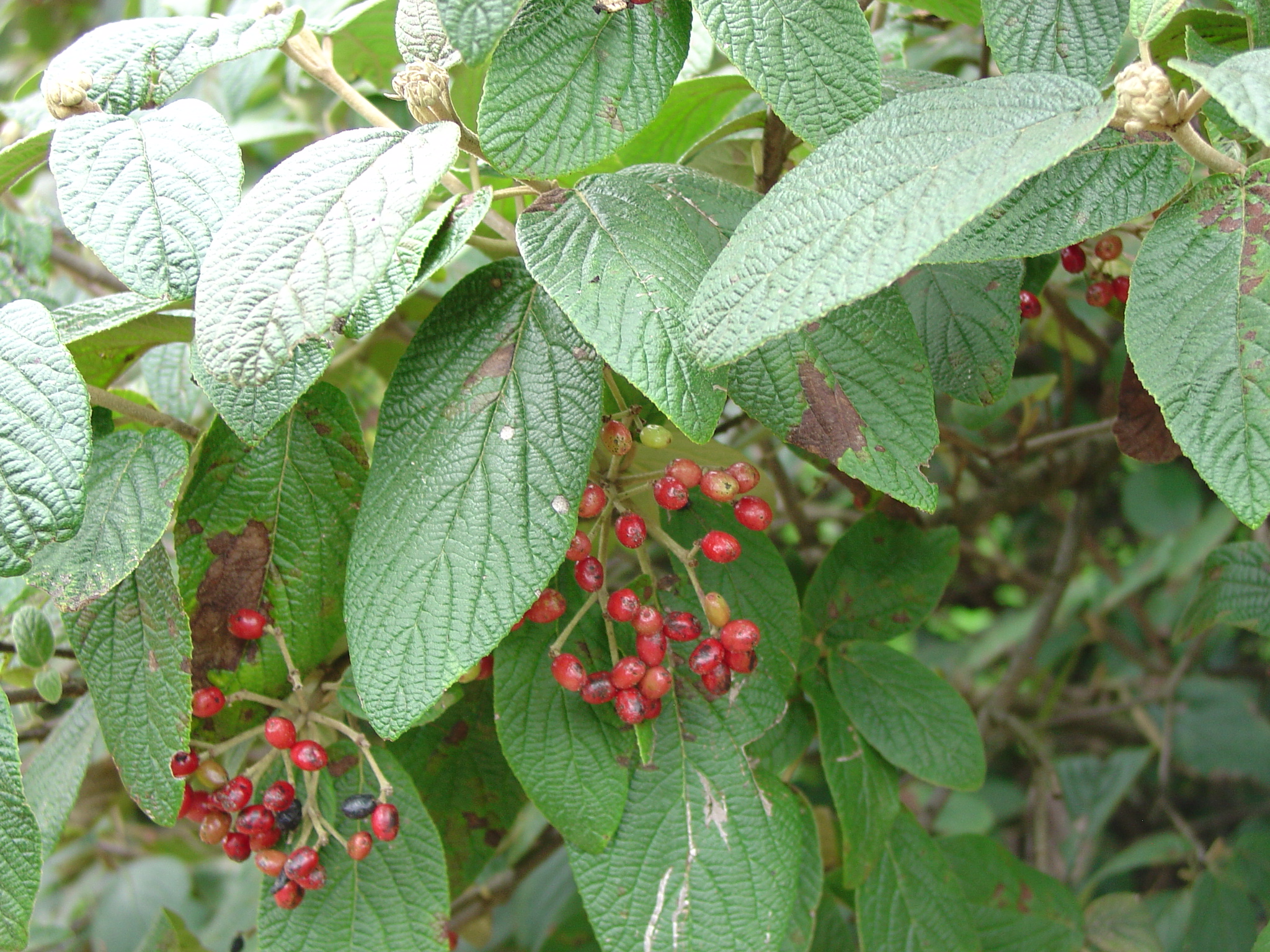
The Alleghany Viburnum is an elegant, semi-evergreen shrub that grows into a graceful, upright form with a naturally attractive shape. Its dark green, deeply textured leaves have that wonderful leathery quality that persists through much of our Connecticut winters—though I’ll be honest, in particularly harsh years, you might see some leaf drop, and that’s completely normal and nothing to worry about. In late spring, clusters of fragrant, creamy-white flowers appear, and they’re absolutely delightful. The real show-stopper comes in autumn when those glossy leaves transform into stunning shades of burgundy and deep red, creating a dramatic backdrop for the developing berries. The fruit starts out bright red and gradually ripens to a gorgeous black-blue, often with both colors present simultaneously, which is just stunning. The overall effect is one of refined, layered beauty that looks sophisticated whether your garden style runs traditional or contemporary.

Growing it in your garden

Here’s what I love about the Alleghany Viburnum for us Connecticut gardeners: it’s remarkably flexible about where you plant it. It’ll grow happily in full sun to partial shade, which gives you so much freedom in garden planning. The plant prefers moist, well-draining soil, but once established, it’s quite drought-tolerant—a real blessing during those hot, dry Connecticut summers we’ve been having more frequently. It’s cold-hardy right here in our zone, so you don’t need to worry about winter damage or seeking out some super-specialized cultivar. This is a plant that accepts our New England conditions with grace and actually seems to thrive because of them. The semi-evergreen nature is perfect for New England gardens; you get privacy and structure through much of the winter, but the plant still allows light through in the harshest months.

Through the seasons

Spring arrives with those wonderfully fragrant flower clusters—the scent is one of my favorite things about this plant, and it tends to be stronger on warmer days, which is such a nice surprise when you’re out working in the garden. Summer is when the foliage really shines, providing a beautiful, glossy green backdrop for other plants and creating a solid structure in the landscape. Fall is where this plant steals the show; the leaf color is genuinely show-stopping, and the berries add another layer of interest. Birds adore those berries, so you’ll have the added benefit of wildlife activity in your garden throughout fall and into winter. Winter finds the plant still looking respectable with its semi-evergreen foliage, and the persistent berries provide food for birds when other resources are scarce. Even in the dead of winter, this shrub maintains its architectural presence in the garden.

Where it shines

The Alleghany Viburnum is phenomenal in foundation plantings, where it can anchor a mixed border with its structural form and year-round interest. It’s equally at home in informal hedgerows or as a specimen plant where you want to showcase its seasonal changes. I often recommend it for properties where you want natural screening but also want beauty and interest—it gives you both. It works beautifully in woodland edge situations, which is such a common landscape feature in Connecticut. The fragrant spring flowers make it a natural choice near seating areas or windows where you can enjoy that scent. It’s also an excellent choice if you’re trying to create a more naturalistic garden that supports wildlife through the seasons.

Perfect companions

The Alleghany Viburnum plays well with so many other plants. Pair it with spring bulbs like daffodils and tulips that bloom around the time your viburnum flowers are opening. Summer bloomers like coneflowers, black-eyed Susans, or ornamental grasses provide lovely textural contrast without competing for attention. For fall interest, combine it with other plants that glow in autumn like burning bush or native asters. Shade-tolerant perennials like hellebores, epimedium, or foamflower create a sophisticated understory beneath it. I also love pairing it with other native shrubs like serviceberry or buttonbush to create a layered, naturalistic planting scheme that’s quintessentially New England.

Care tips

Once your Alleghany Viburnum is established, it really doesn’t demand much from you. Water regularly during the first year, especially through dry spells, to help establish a strong root system. After that, it’s quite self-sufficient, though it’ll perform better with occasional watering during extended dry periods. Pruning is minimal—you can shape it in early spring if you like, or simply remove any dead wood. Deadheading spent flower clusters isn’t necessary unless you want to encourage bushier growth, though I usually leave them on to enjoy the berry development. The plant has good disease resistance and isn’t particularly troubled by pests in our area, which is another reason I’m such a fan.

Quick facts

  • Hardiness Zone: 5-8 (perfectly hardy throughout Connecticut)
  • Mature Height & Spread: 8-10 feet tall and 6-8 feet wide
  • Bloom Season: Late spring (May in Connecticut)
  • Light Requirements: Full sun to partial shade
  • Water Needs: Moderate; drought-tolerant once established
  • Available at: Both our retail and wholesale locations

Alleghany Viburnum

Rounded deciduous shrub with dark leathery green foliage and white flowers.

Zoning: 5-8
Mature Height and Spread: 6-8’

Description

If you’re looking for a viburnum that practically takes care of itself while delivering gorgeous fragrance, stunning fall color, and winter interest that’ll have your neighbors asking questions, the Alleghany Viburnum (VIBURNUM X RHYTIDOPHYLLUM ‘ALLEGHANY’) might just be your new garden obsession. This is the kind of plant that makes you feel like a master gardener without requiring you to become one—it’s tough as nails in our New England climate, beautiful year-round, and honestly, it’s one of those plants I find myself recommending over and over again to my friends here in Connecticut.

What it looks like

The Alleghany Viburnum is an elegant, semi-evergreen shrub that grows into a graceful, upright form with a naturally attractive shape. Its dark green, deeply textured leaves have that wonderful leathery quality that persists through much of our Connecticut winters—though I’ll be honest, in particularly harsh years, you might see some leaf drop, and that’s completely normal and nothing to worry about. In late spring, clusters of fragrant, creamy-white flowers appear, and they’re absolutely delightful. The real show-stopper comes in autumn when those glossy leaves transform into stunning shades of burgundy and deep red, creating a dramatic backdrop for the developing berries. The fruit starts out bright red and gradually ripens to a gorgeous black-blue, often with both colors present simultaneously, which is just stunning. The overall effect is one of refined, layered beauty that looks sophisticated whether your garden style runs traditional or contemporary.

Growing it in your garden

Here’s what I love about the Alleghany Viburnum for us Connecticut gardeners: it’s remarkably flexible about where you plant it. It’ll grow happily in full sun to partial shade, which gives you so much freedom in garden planning. The plant prefers moist, well-draining soil, but once established, it’s quite drought-tolerant—a real blessing during those hot, dry Connecticut summers we’ve been having more frequently. It’s cold-hardy right here in our zone, so you don’t need to worry about winter damage or seeking out some super-specialized cultivar. This is a plant that accepts our New England conditions with grace and actually seems to thrive because of them. The semi-evergreen nature is perfect for New England gardens; you get privacy and structure through much of the winter, but the plant still allows light through in the harshest months.

Through the seasons

Spring arrives with those wonderfully fragrant flower clusters—the scent is one of my favorite things about this plant, and it tends to be stronger on warmer days, which is such a nice surprise when you’re out working in the garden. Summer is when the foliage really shines, providing a beautiful, glossy green backdrop for other plants and creating a solid structure in the landscape. Fall is where this plant steals the show; the leaf color is genuinely show-stopping, and the berries add another layer of interest. Birds adore those berries, so you’ll have the added benefit of wildlife activity in your garden throughout fall and into winter. Winter finds the plant still looking respectable with its semi-evergreen foliage, and the persistent berries provide food for birds when other resources are scarce. Even in the dead of winter, this shrub maintains its architectural presence in the garden.

Where it shines

The Alleghany Viburnum is phenomenal in foundation plantings, where it can anchor a mixed border with its structural form and year-round interest. It’s equally at home in informal hedgerows or as a specimen plant where you want to showcase its seasonal changes. I often recommend it for properties where you want natural screening but also want beauty and interest—it gives you both. It works beautifully in woodland edge situations, which is such a common landscape feature in Connecticut. The fragrant spring flowers make it a natural choice near seating areas or windows where you can enjoy that scent. It’s also an excellent choice if you’re trying to create a more naturalistic garden that supports wildlife through the seasons.

Perfect companions

The Alleghany Viburnum plays well with so many other plants. Pair it with spring bulbs like daffodils and tulips that bloom around the time your viburnum flowers are opening. Summer bloomers like coneflowers, black-eyed Susans, or ornamental grasses provide lovely textural contrast without competing for attention. For fall interest, combine it with other plants that glow in autumn like burning bush or native asters. Shade-tolerant perennials like hellebores, epimedium, or foamflower create a sophisticated understory beneath it. I also love pairing it with other native shrubs like serviceberry or buttonbush to create a layered, naturalistic planting scheme that’s quintessentially New England.

Care tips

Once your Alleghany Viburnum is established, it really doesn’t demand much from you. Water regularly during the first year, especially through dry spells, to help establish a strong root system. After that, it’s quite self-sufficient, though it’ll perform better with occasional watering during extended dry periods. Pruning is minimal—you can shape it in early spring if you like, or simply remove any dead wood. Deadheading spent flower clusters isn’t necessary unless you want to encourage bushier growth, though I usually leave them on to enjoy the berry development. The plant has good disease resistance and isn’t particularly troubled by pests in our area, which is another reason I’m such a fan.

Quick facts

  • Hardiness Zone: 5-8 (perfectly hardy throughout Connecticut)
  • Mature Height & Spread: 8-10 feet tall and 6-8 feet wide
  • Bloom Season: Late spring (May in Connecticut)
  • Light Requirements: Full sun to partial shade
  • Water Needs: Moderate; drought-tolerant once established
  • Available at: Both our retail and wholesale locations