Blue Mist

If you’re looking for a shrub that absolutely glows in late summer and fall, when most gardens are starting to fade, let me introduce you to Blue Mist! This delightful deciduous shrub (CARYOPTERIS X CLANDONENSIS) is like a breath of fresh air in the Connecticut garden, bringing ethereal blue flowers and a silvery haze that makes it seem almost magical when the sun hits it just right. I’ve watched this plant become increasingly popular among local gardeners, and honestly, once you see one in bloom, you’ll understand why. It’s one of those plants that stops you in your tracks and makes you smile every time you walk past it.

What it looks like

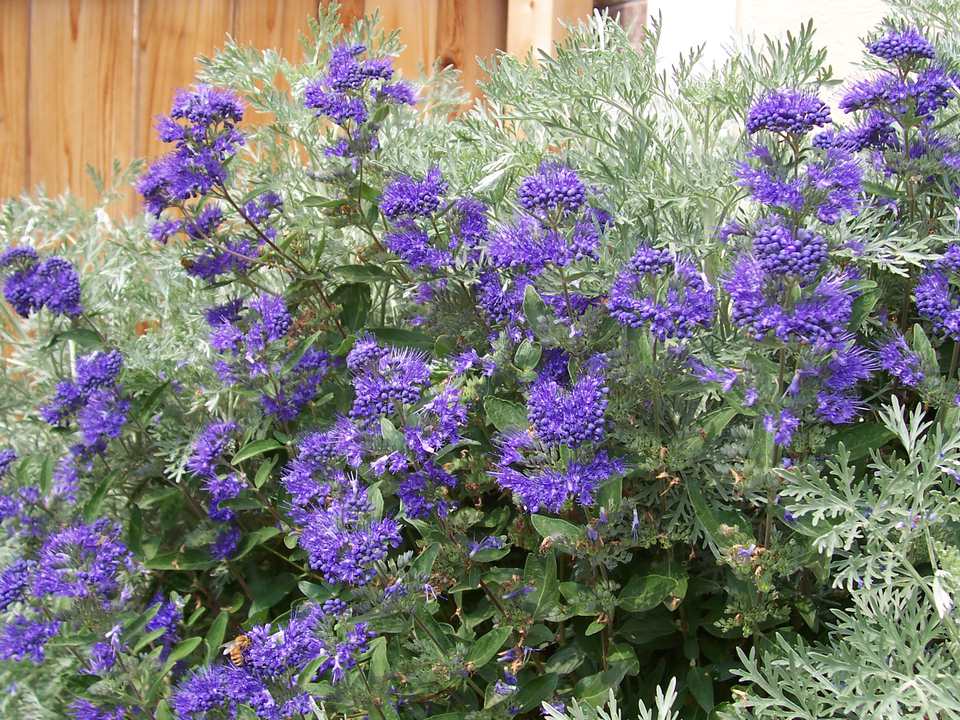
Blue Mist is a medium-sized deciduous shrub that typically grows into a naturally mounding shape without much intervention needed. The foliage is fine and delicate—almost feathery—with narrow, lance-shaped leaves that have a lovely gray-green color. The real show, though, comes from the flowers! Starting in late summer and continuing right into fall, this plant produces masses of tiny, delicate flowers in shades of soft blue, dusty blue, or sometimes with hints of lavender depending on the variety. The flowers bloom on long, airy panicles that give the entire plant an ethereal, cloud-like appearance. Even the flower stems have this beautiful silvery-blue cast to them, which is where the “mist” part of the name comes from. It’s genuinely one of the most romantic-looking shrubs you can plant in a New England garden.

Growing it in your garden

Here’s what I love about Blue Mist—it’s surprisingly easy to grow once you understand what it needs. This plant absolutely loves sunshine, so find it a spot where it gets at least six hours of direct sun daily, ideally more. In our Connecticut climate, it thrives in well-draining soil, so if you have heavy clay (and honestly, who in Connecticut doesn’t?), amend your planting hole generously with compost or peat moss to improve drainage. Blue Mist doesn’t like sitting in wet feet, so proper drainage is really the key to success. The beauty of this plant is that it’s not fussy about soil pH—it’ll do fine in slightly acidic to neutral soil, which is pretty typical for our region. Plant it in spring so it has time to establish a good root system before winter arrives.

Through the seasons

In spring, Blue Mist emerges from dormancy a bit later than some shrubs—don’t panic if it seems slow to leaf out! By late spring and early summer, you’ll have a full, attractive mound of fine-textured foliage that looks beautiful even before the flowers arrive. Summer is when this plant is gathering energy, putting on green growth while other plants are already looking tired in the heat. Then comes the magic: starting in late August and continuing through September and often into October, those incredible blue flowers emerge and absolutely transform the plant into a flowering cloud. The blossoms attract butterflies and bees like crazy, which is such a bonus. As fall progresses and temperatures drop, the foliage may take on purple or bronze tones before the plant goes dormant for winter. In winter, it’s deciduous and bare, which is perfect because it keeps your garden looking clean and open during the colder months.

Where it shines

Blue Mist is absolutely fantastic in mixed borders where it can provide late-season color and texture. Because of its airy, delicate appearance, it’s perfect for layering with other plants without blocking views. I love it in sunny perennial gardens where it can dance among ornamental grasses and late-blooming perennials. It’s also wonderful as a specimen plant positioned where you’ll see it from a window or patio—trust me, you’ll want to enjoy those blue flowers from inside on cool fall days! It works beautifully in contemporary gardens, cottage gardens, and pollinator gardens. The fine texture makes it feel elegant and sophisticated, so it’s great for gardeners who want something a bit more refined looking than heavy, dense shrubs.

Perfect companions

Blue Mist pairs beautifully with late-season bloomers like black-eyed Susans, asters, and Russian sage (PEROVSKIA), which actually have similar growing needs and bloom at the same time. Ornamental grasses like autumn sage grass or little bluestem create a gorgeous combination with it. I also love pairing it with silvery-foliaged plants like artemisia or dusty miller, which echo its soft color palette. Purple coneflowers (ECHINACEA) are wonderful neighbors, as are Joe Pye weeds if you have the space. The key is choosing companions that also love sun and well-draining soil and won’t shade out your Blue Mist.

Care tips

Here’s the really great news: Blue Mist is quite low-maintenance! In early spring, before new growth appears, cut the stems back by about one-third to one-half to encourage a compact, fuller shape and maximize flowering. Don’t be timid about this pruning—it actually responds beautifully to it. Water regularly during the first year after planting to help it establish, but once established, it’s fairly drought-tolerant, which is wonderful during our sometimes-dry Connecticut summers. Don’t fertilize it—this plant actually prefers leaner soil and will bloom even better without heavy feeding. If it gets too tall and lanky (which sometimes happens in shade), you can cut it back harder. Deadheading spent flowers will encourage continued blooming, though honestly, even the spent flowers look pretty.

Quick facts

  • Hardiness Zone: Zones 5-9
  • Mature Height & Spread: 3-4 feet tall and wide (varies by variety)
  • Bloom Season: Late August through October
  • Light Requirements: Full sun (6+ hours daily)
  • Water Needs: Moderate; drought-tolerant once established
  • Available at: Both our retail and wholesale locations.

Blue Mist

Category:

A fantastic blue flowering herbaceous shrub ideal for accents or for border.

Zoning: 6-9
Mature Height and Spread: 2-3’
Pot Size (gallons), Height: #3

Description

Blue Mist

If you’re looking for a shrub that absolutely glows in late summer and fall, when most gardens are starting to fade, let me introduce you to Blue Mist! This delightful deciduous shrub (CARYOPTERIS X CLANDONENSIS) is like a breath of fresh air in the Connecticut garden, bringing ethereal blue flowers and a silvery haze that makes it seem almost magical when the sun hits it just right. I’ve watched this plant become increasingly popular among local gardeners, and honestly, once you see one in bloom, you’ll understand why. It’s one of those plants that stops you in your tracks and makes you smile every time you walk past it.

What it looks like

Blue Mist is a medium-sized deciduous shrub that typically grows into a naturally mounding shape without much intervention needed. The foliage is fine and delicate—almost feathery—with narrow, lance-shaped leaves that have a lovely gray-green color. The real show, though, comes from the flowers! Starting in late summer and continuing right into fall, this plant produces masses of tiny, delicate flowers in shades of soft blue, dusty blue, or sometimes with hints of lavender depending on the variety. The flowers bloom on long, airy panicles that give the entire plant an ethereal, cloud-like appearance. Even the flower stems have this beautiful silvery-blue cast to them, which is where the “mist” part of the name comes from. It’s genuinely one of the most romantic-looking shrubs you can plant in a New England garden.

Growing it in your garden

Here’s what I love about Blue Mist—it’s surprisingly easy to grow once you understand what it needs. This plant absolutely loves sunshine, so find it a spot where it gets at least six hours of direct sun daily, ideally more. In our Connecticut climate, it thrives in well-draining soil, so if you have heavy clay (and honestly, who in Connecticut doesn’t?), amend your planting hole generously with compost or peat moss to improve drainage. Blue Mist doesn’t like sitting in wet feet, so proper drainage is really the key to success. The beauty of this plant is that it’s not fussy about soil pH—it’ll do fine in slightly acidic to neutral soil, which is pretty typical for our region. Plant it in spring so it has time to establish a good root system before winter arrives.

Through the seasons

In spring, Blue Mist emerges from dormancy a bit later than some shrubs—don’t panic if it seems slow to leaf out! By late spring and early summer, you’ll have a full, attractive mound of fine-textured foliage that looks beautiful even before the flowers arrive. Summer is when this plant is gathering energy, putting on green growth while other plants are already looking tired in the heat. Then comes the magic: starting in late August and continuing through September and often into October, those incredible blue flowers emerge and absolutely transform the plant into a flowering cloud. The blossoms attract butterflies and bees like crazy, which is such a bonus. As fall progresses and temperatures drop, the foliage may take on purple or bronze tones before the plant goes dormant for winter. In winter, it’s deciduous and bare, which is perfect because it keeps your garden looking clean and open during the colder months.

Where it shines

Blue Mist is absolutely fantastic in mixed borders where it can provide late-season color and texture. Because of its airy, delicate appearance, it’s perfect for layering with other plants without blocking views. I love it in sunny perennial gardens where it can dance among ornamental grasses and late-blooming perennials. It’s also wonderful as a specimen plant positioned where you’ll see it from a window or patio—trust me, you’ll want to enjoy those blue flowers from inside on cool fall days! It works beautifully in contemporary gardens, cottage gardens, and pollinator gardens. The fine texture makes it feel elegant and sophisticated, so it’s great for gardeners who want something a bit more refined looking than heavy, dense shrubs.

Perfect companions

Blue Mist pairs beautifully with late-season bloomers like black-eyed Susans, asters, and Russian sage (PEROVSKIA), which actually have similar growing needs and bloom at the same time. Ornamental grasses like autumn sage grass or little bluestem create a gorgeous combination with it. I also love pairing it with silvery-foliaged plants like artemisia or dusty miller, which echo its soft color palette. Purple coneflowers (ECHINACEA) are wonderful neighbors, as are Joe Pye weeds if you have the space. The key is choosing companions that also love sun and well-draining soil and won’t shade out your Blue Mist.

Care tips

Here’s the really great news: Blue Mist is quite low-maintenance! In early spring, before new growth appears, cut the stems back by about one-third to one-half to encourage a compact, fuller shape and maximize flowering. Don’t be timid about this pruning—it actually responds beautifully to it. Water regularly during the first year after planting to help it establish, but once established, it’s fairly drought-tolerant, which is wonderful during our sometimes-dry Connecticut summers. Don’t fertilize it—this plant actually prefers leaner soil and will bloom even better without heavy feeding. If it gets too tall and lanky (which sometimes happens in shade), you can cut it back harder. Deadheading spent flowers will encourage continued blooming, though honestly, even the spent flowers look pretty.

Quick facts

  • Hardiness Zone: Zones 5-9
  • Mature Height & Spread: 3-4 feet tall and wide (varies by variety)
  • Bloom Season: Late August through October
  • Light Requirements: Full sun (6+ hours daily)
  • Water Needs: Moderate; drought-tolerant once established
  • Available at: Both our retail and wholesale locations.