
Description

ACER PALMATUM ‘RED DRAGON’
If you’ve ever stood in front of a Japanese maple and thought, “I wish it had more drama,” RED DRAGON is your answer. This cultivar takes the already architectural elegance of ACER PALMATUM and cranks it up to eleven with deeply dissected, wine-dark foliage that catches light like stained glass. The leaves are so finely cut they’re almost lacy—feathery enough to seem delicate, yet structured enough to create serious visual impact. It’s the kind of plant that makes people stop mid-conversation and ask, “What is that?”
What it looks like
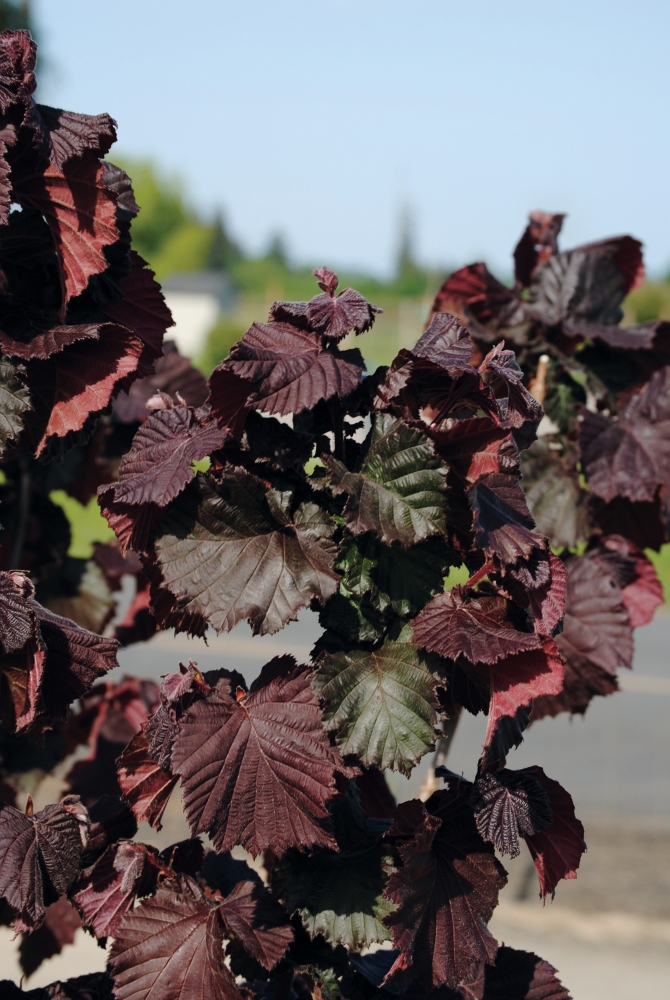
RED DRAGON is a weeping Japanese maple with a gracefully cascading form that matures into a small, fountain-like tree. The defining feature is its foliage: the leaves are a deep burgundy-red that intensifies as the season progresses, with some plants turning nearly black-red in full sun. The leaf margins are so intricately divided that they seem almost feathery—each one a masterpiece of botanical engineering. New growth emerges in spring with a brighter red tone before deepening, creating weeks of visual evolution. In fall, the color shifts to a luminous scarlet before dropping to reveal elegant branching that’s attractive even in winter.
Growing it in your garden
RED DRAGON thrives in the dappled shade that characterizes many Connecticut gardens—that sweet spot under tall deciduous trees or on the east side of a building. While it can tolerate afternoon sun in our climate, the deep red coloring is most stunning with morning light and afternoon protection, especially in summer. The weeping form works beautifully as a specimen plant or as a focal point in a mixed border. Unlike some ornamental trees that demand perfection, RED DRAGON is remarkably adaptable to New England conditions, though it prefers well-draining soil enriched with organic matter. Avoid heavy clay unless you amend it substantially—Japanese maples despise having wet feet in winter.
Through the seasons
Spring arrives with fresh red-tinged leaves unfurling against the tree’s delicate branching structure. By early summer, the foliage has deepened into that signature wine-red, and the weeping form creates cooling dappled shade beneath its canopy. Midsummer through early fall is peak beauty—the color intensifies, and the sculptural form becomes even more prominent as a garden focal point. As autumn deepens, the red becomes almost incandescent in low-angle sunlight, eventually shifting to scarlet before leaf drop. Winter reveals the tree’s underlying architecture: the graceful weeping branches create an almost meditative presence even without foliage, especially beautiful after a fresh snow.
Where it shines
RED DRAGON is a born star in a Japanese-inspired garden, but it works beautifully in any landscape where you want a sophisticated focal point. It’s perfect as a specimen tree in a front garden, at the corner of a patio where you can see it from indoors, or as the centerpiece of a shade garden. The weeping form drapes elegantly over slopes or raised beds. It also shines in mixed borders with shade-loving perennials and complementary foliage plants. Container gardening is another option—RED DRAGON grows happily in a large container on a deck or patio, where you can appreciate the intricate leaf detail up close.
Perfect companions
Plant RED DRAGON where it can interact with plants that respect its subtle elegance. Shade-dwelling ferns like Japanese POLYSTICHUM create a lush understory. Hostas with chartreuse or silvery foliage create striking color contrast. Soft-textured groundcovers like SOLEIROLIA or creeping thyme soften the transition to the ground plane. In spring, pair it with hellebores or bleeding heart. Evergreen companions like ILEX or SARCOCOCCA provide year-round structure and let the maple take the spotlight seasonally.
Care tips
Water regularly during the first growing season, especially during dry Connecticut summers. Once established, RED DRAGON is fairly drought-tolerant, but consistent moisture keeps it happiest. Prune only to remove dead or crossing branches—this tree’s natural weeping form is its beauty, so resist the urge to shape it heavily. A light mulch of shredded leaves (not piled against the trunk) helps retain moisture and keeps roots cool. Watch for spider mites during hot, dry spells and treat early if you notice stippled foliage. The tree benefits from afternoon shade in our warmest summers, which also prevents the foliage from scorching.
Quick facts
- Hardiness Zone: 5-8
- Mature Height & Spread: 8-10 feet tall, 12 feet wide
- Bloom Season: Spring flowers (inconspicuous); foliage is the main attraction
- Light Requirements: Dappled shade to partial sun; afternoon shade recommended
- Water Needs: Moderate; consistent moisture preferred, well-draining soil essential
- Available at: Both our retail and wholesale locations.