
Description
PHOENIX ROEBELENII
What if you could bring the romance of a Mediterranean villa right into your Connecticut home? The Pygmy Date Palm—sold here as a triple specimen for maximum drama—is that lush, elegant statement plant that makes everyone who walks in ask, “Where did you find that?” This isn’t just a tropical accent piece; it’s a conversation starter that transforms any indoor space into something altogether more refined and worldly.
What it looks like
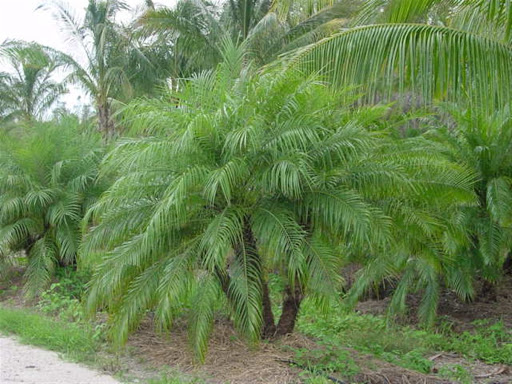
Imagine feathery, arching fronds that seem to dance even when the air is still. PHOENIX ROEBELENII grows in a naturally graceful, fountain-like form, with fine, delicate pinnate leaves that are far more sophisticated than typical houseplants. Our triple palm offering gives you three specimens planted together, creating a fuller, more architectural presence—perfect for anchoring a corner or flanking a doorway. The trunks are slender and elegant, sometimes with a subtle tan patina that adds to its Mediterranean charm. The overall effect is lush yet refined, tropical yet somehow never overstated.
Growing it in your garden
Here’s what makes PHOENIX ROEBELENII special for New England homes: it’s one of the most cold-tolerant palms you can grow indoors, though in Connecticut we treat it as a houseplant or conservatory specimen. This is a plant that appreciates bright, filtered light—think dappled sun through a sheer curtain, or the luminous glow near an east-facing window. It doesn’t demand the harsh, direct afternoon sun that burns many tropical plants. Instead, it prefers consistency: a warm location (ideally 65–75°F year-round), away from cold drafts and heating vents. Rotate it occasionally to encourage even growth on all sides, and you’ll be rewarded with a perfectly balanced form.
Through the seasons
Winter is when most houseplants hibernate, and PHOENIX ROEBELENII is no exception. During Connecticut’s long cold months, keep it in a warm spot away from chilly windows, and water less frequently—the plant’s growth naturally slows. Spring brings new energy; you’ll notice fresh fronds uncurling at the crown. Summer is when it’s happiest, growing steadily and maintaining that deep, vibrant green foliage. As days shorten in fall, growth tapers again, which is perfectly natural. The beauty of this palm is that it maintains its elegant appearance year-round, never going truly dormant or losing its refined appeal.
Where it shines
PHOENIX ROEBELENII is at home in living rooms, entryways, sunrooms, or anywhere you want to create a calm, sophisticated atmosphere. It works beautifully in bright offices, warm bathrooms (humid environments are ideal), or paired with other plants to create a mini indoor garden. The triple form makes it substantial enough to command space without overwhelming a room. It’s also surprisingly versatile—perfectly at ease in a traditional setting or adding elegance to contemporary décor. Some gardeners keep theirs in a conservatory during winter and move it outdoors to a sheltered patio in summer, though this transition requires careful acclimation.
Perfect companions
PHOENIX ROEBELENII pairs beautifully with other tropical houseplants that share similar light and humidity preferences. Consider grouping it with ANTHURIUM, ALOCASIA, or MONSTERA for a lush interior garden feel. At ground level, shade-tolerant foliage plants like SCINDAPSUS or SYNGONIUM create layers of interest without competing for light. In a sunroom or conservatory, combine it with flowering plants like BOUGAINVILLEA or GARDENIA for extra visual impact. The key is choosing companions that appreciate the same warm, humid environment.
Care tips
Water when the top inch of soil feels dry, typically every 7–10 days, but adjust based on your home’s humidity and temperature. Use room-temperature water and avoid letting the soil dry out completely—palms suffer if they’re stressed by drought. Feed during the growing season (spring and summer) with a balanced, slow-release fertilizer formulated for palms. Humidity is your friend; if your Connecticut home is dry (especially in winter with heating), mist the fronds regularly or place the pot on a pebble tray with water. Watch for spider mites and scale insects indoors, which sometimes appear in low-humidity conditions. Remove any brown or yellowing lower fronds as part of routine maintenance. Repot only when the plant is genuinely root-bound, typically every two to three years.
Quick facts
- Hardiness Zone: 10–11 (indoor plant for Connecticut)
- Mature Height & Spread: 6–8 feet tall, 4–6 feet wide (triple form creates fuller appearance)
- Bloom Season: Small cream-colored flowers (indoors, flowering is uncommon)
- Light Requirements: Bright, filtered light; no direct harsh sun
- Water Needs: Keep soil consistently moist during growing season; reduce in winter
- Available at: Both our retail and wholesale locations