Description

MAGNOLIA X ‘BLANCHARD’
What if you could have a magnolia that actually thrives in Connecticut? For decades, gardeners in New England have watched magnificent magnolias flourish in southern gardens while struggling to find varieties that could handle our unpredictable springs and cold winters. MAGNOLIA X ‘BLANCHARD’ changes that conversation entirely. This hybrid magnolia is a game-changer for anyone who’s dreamed of those romantic, fragrant blooms but thought it was impossible in our climate.
What it looks like
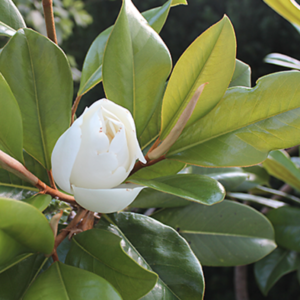
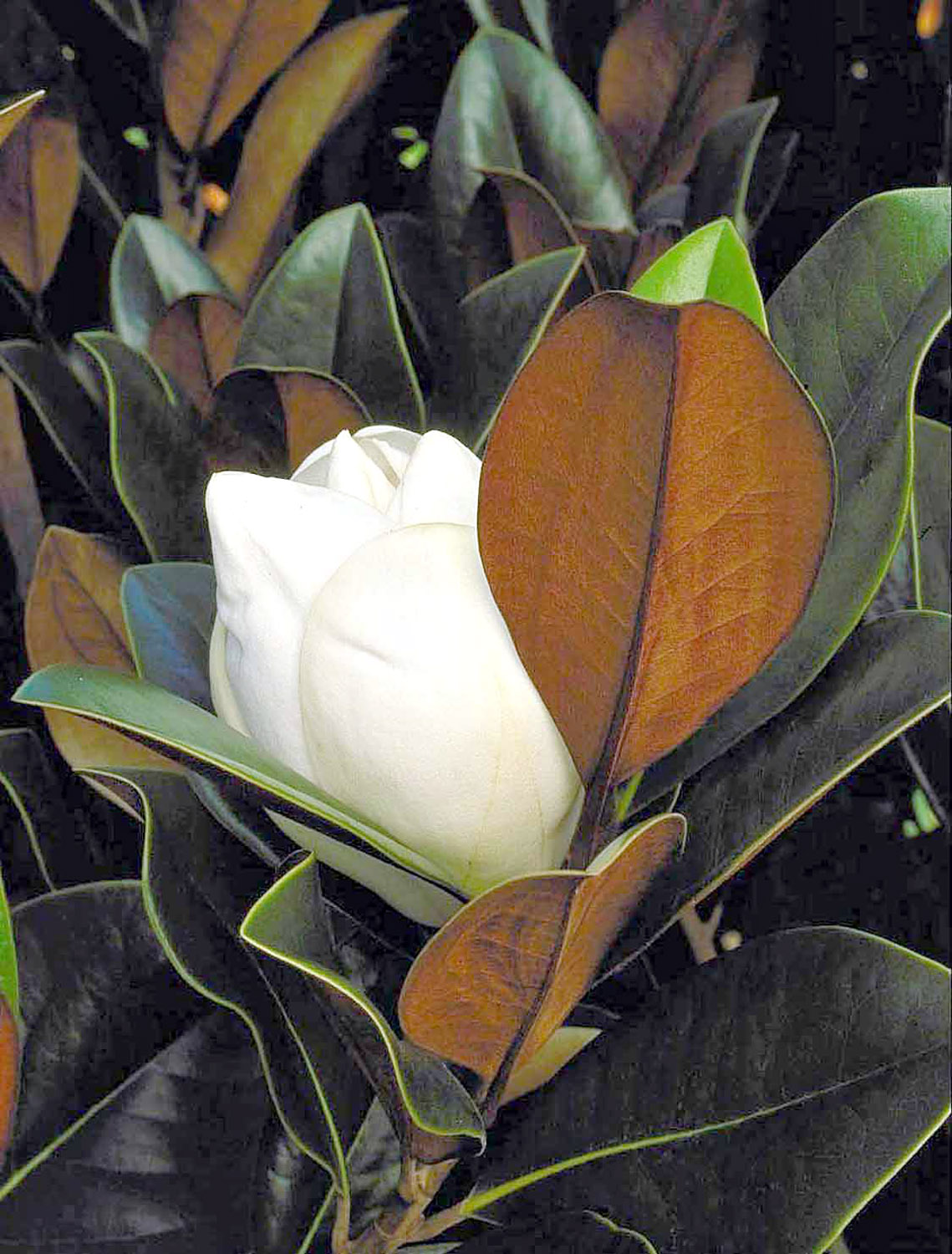
Blanchard Magnolia is a deciduous shrub with an upright, vase-shaped form that becomes increasingly graceful as it matures. In early spring, before the leaves emerge, it produces an abundance of elegant flowers that sit somewhere between pink and purple—think dusty rose with lavender undertones. The blossoms are substantial without being overwhelming, typically 4 to 5 inches across, with a classic tulip shape that opens to reveal creamy centers. Once the flowers fade, glossy, deep green foliage takes over, creating a handsome backdrop for the rest of the growing season. The plant maintains a tidy, manageable silhouette that works beautifully in mixed borders or as a specimen focal point.
Growing it in your garden
The secret to Blanchard’s success is its breeding. Unlike many magnolias that flower too early and lose buds to Connecticut’s late freezes, Blanchard flowers slightly later, when hard frosts are less likely. Plant it in a location with full sun to part shade—full sun encourages the most prolific blooming. The real winner here is soil flexibility. While magnolias traditionally prefer rich, slightly acidic, well-draining soil, Blanchard is considerably more adaptable than many of its cousins. That said, you’ll see the best results if you amend your planting hole with compost or aged bark to improve drainage and add organic matter. Space it where it has room to spread; you’ll want to appreciate its full form without crowding.
Through the seasons
Spring is Blanchard’s moment to shine. The flowers typically appear in mid- to late April, depending on your specific location in Connecticut, creating weeks of subtle color and fragrance before the leaves fill in. Summer brings lush green foliage and a pleasant, refined presence in the garden—it’s not flashy, but it’s solidly handsome. Fall color is understated; the leaves turn shades of golden-bronze before dropping. Winter reveals the plant’s elegant branch structure, which has its own quiet beauty, and you’ll have the satisfaction of knowing next spring’s flower buds are already there, waiting.
Where it shines
Blanchard Magnolia is perfect for the gardener who wants a spring focal point without the drama of fast-growing trees taking over the yard. It works beautifully as a specimen shrub in a mixed perennial border, where flowering bulbs like tulips and daffodils can echo its color palette. The upright form also makes it an excellent choice for more formal garden settings or as a street-side planting where you need something with architectural interest. Because it’s not excessively large, it fits well in smaller yards where a full-sized flowering tree might overwhelm the space.
Perfect companions
Plant Blanchard near shade-tolerant hellebores or early-season perennials that emerge as the magnolia flowers fade. The combination is delightful—you’ll have continuous interest from early spring through late spring. Underplant with spring bulbs like snowdrops, crocuses, and late-blooming tulips in soft purples and creams to echo the magnolia’s color story. Nearby shrubs like serviceberry or native New England viburnums create a layered, naturalistic composition. Hostas and ferns provide textural contrast and appreciate the dappled shade the magnolia eventually provides.
Care tips
Water regularly during the first two years while the root system establishes itself. Once established, Blanchard is fairly drought-tolerant, though it appreciates consistent moisture during dry spells. A 2-3 inch layer of mulch around the base keeps roots cool and retains moisture, but keep it several inches away from the trunk itself. Magnolias need very little pruning; any shaping is best done immediately after flowering. Avoid heavy pruning, which can reduce next year’s flower production. The plant is remarkably pest and disease-resistant in our region—one of many reasons it’s such a smart choice for Connecticut gardeners.
Quick facts
- Hardiness Zone: 5-9
- Mature Height & Spread: 12-15 feet tall, 8-10 feet wide
- Bloom Season: Mid-to-late April
- Light Requirements: Full sun to part shade
- Water Needs: Moderate; drought-tolerant once established
- Available at: Both our retail and wholesale locations