
Description
MAGNOLIA X SOULANGEANA
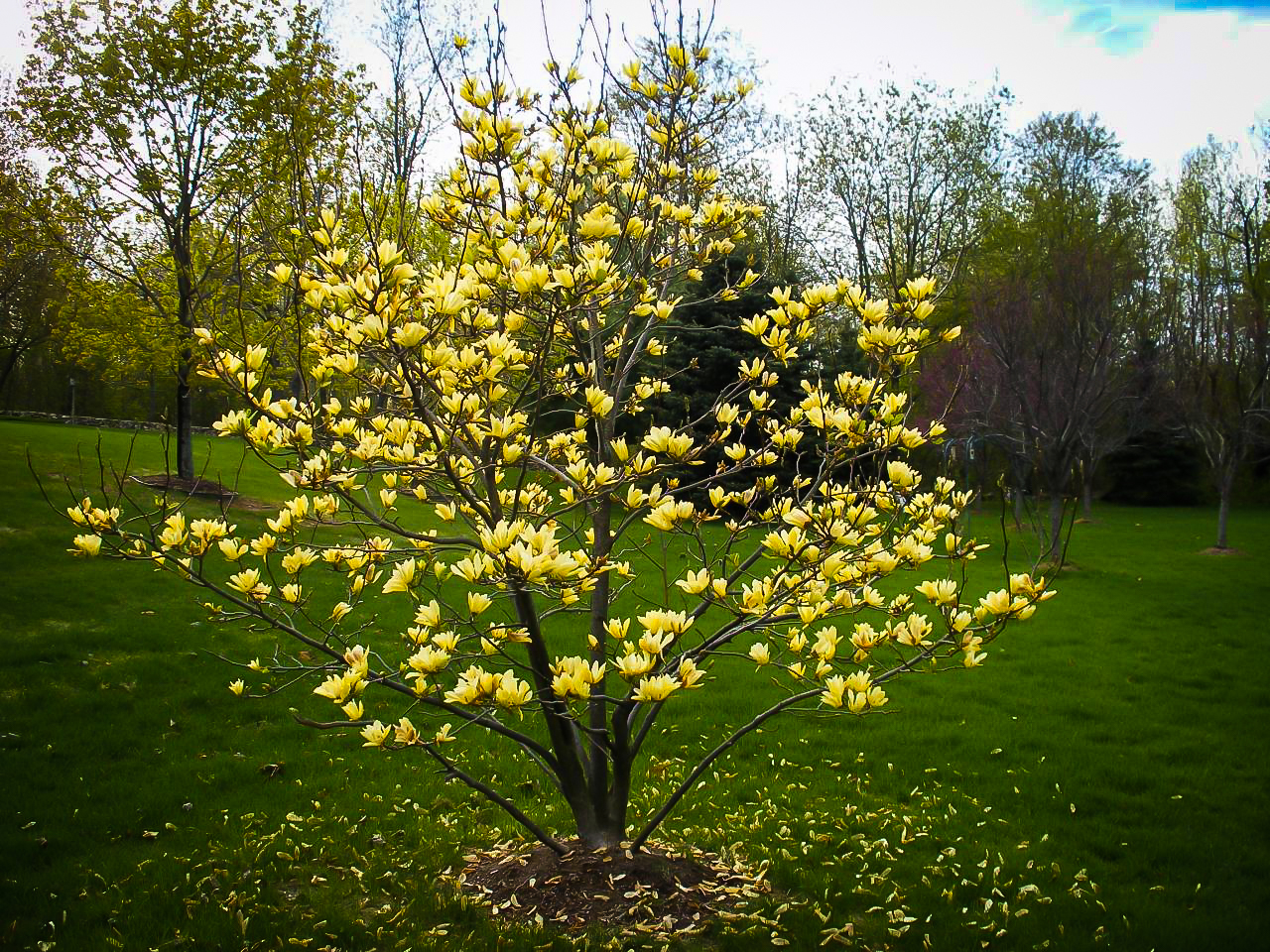
Imagine stepping outside on a crisp April morning to find your garden transformed overnight. The Butterfly Magnolia does exactly that—suddenly, almost magically, your landscape erupts in orchid-pink blooms the size of your hand. These aren’t delicate, modest flowers. They’re showstoppers. The petals have a luminous quality that seems to glow against Connecticut’s gray spring skies, and the fragrance—subtle, sophisticated, vaguely reminiscent of lemon—drifts through your entire yard. This is a tree that demands attention, and honestly, it deserves every bit of admiration you can give it.
What it looks like
The Butterfly Magnolia is a deciduous small tree that typically grows into a broad, multi-stemmed form with an almost sculptural silhouette. Before the leaves even emerge, the stems are studded with fuzzy, taupe-colored buds that look like tiny caterpillars clinging to the branches—hence the common name. When those buds burst in spring, they reveal flowers with 6 to 9 petals, predominantly pink-purple on the outer surfaces with creamy white interiors. The petals have a waxy, almost petal-like quality that light seems to pass through. Once the flowers fade, attractive glossy green foliage takes over, providing a handsome backdrop for the rest of the growing season. In fall, the leaves turn subtle shades of bronze and yellow before dropping.
Growing it in your garden
Here’s what every New England gardener needs to know: Butterfly Magnolia is a committed performer in zones 4 through 8, which means it’s genuinely happy in Connecticut. The key to success is location and patience. Plant yours where it receives full sun—and I mean genuine full sun, at least six hours daily. This isn’t negotiable if you want maximum blooms. The tree prefers well-draining soil that’s slightly acidic, so if your yard leans alkaline, amend it with peat moss or sulfur. Unlike some magnolias that demand coddling, this variety is reasonably tough and adaptable once established, though it does appreciate consistent moisture during its first season.
The timing of planting matters in Connecticut. Spring planting works beautifully because it gives the tree all season to establish before winter arrives. Fall planting is possible too, but you’ll want to mulch generously to protect the roots through our freeze-thaw cycles.
Through the seasons
Spring is unquestionably the Butterfly Magnolia’s moment of glory. The blooms typically appear in April, sometimes late March during warmer years. This early-season display is one of the real joys of New England gardening. Summer brings the transition to leafy greenery, with a canopy that’s full and attractive without being overwhelming. The foliage stays clean and disease-free throughout the season, even during Connecticut’s humid summers. By fall, there’s a subtle golden-bronze transformation that’s lovely if not dramatic. Winter reveals the tree’s architectural bones—that sculptural branching structure is quite attractive when bare, especially when frost or snow outline the branches. And then, in spring, the whole glorious cycle begins again.
Where it shines
This tree is essentially custom-made for Connecticut gardens. It serves as a specimen plant beautifully—place it where you can see it from a window on those early spring mornings. It also works wonderfully as a focal point in a mixed border, where it provides seasonal interest without overwhelming the space. Many gardeners use Butterfly Magnolia to anchor a foundation planting, especially on the east or south side of a home. The tree is also substantial enough to provide some screening and definition to your property without being overly large or aggressive. In smaller Connecticut yards, this is exactly the right scale.
Perfect companions
The key to companion planting with Butterfly Magnolia is working with the tree’s spring-blooming season and its understated summer presence. Shade-tolerant spring bulbs work beautifully beneath it—think daffodils, hellebores, and bleeding heart. Once the magnolia leafs out, those early bloomers are hidden in dappled shade. Later-blooming perennials like coneflower, black-eyed Susan, and Russian sage emerge to take center stage as the magnolia recedes into greenery. Evergreen shrubs nearby provide winter interest and frame the tree’s springtime display. Rhododendrons and mountain laurel are particularly compatible companions, sharing the same soil preferences and bloom season.
Care tips
Water deeply but infrequently once established—this encourages deep rooting that helps your tree weather Connecticut’s occasional droughts. Prune immediately after flowering if needed; magnolias set next year’s flower buds quite early, so summer or fall pruning will sacrifice next spring’s blooms. Mulch around the base with 2 to 3 inches of organic material, keeping it a few inches away from the trunk. This helps moderate soil temperature through our variable New England springs, which is especially important since sudden warm spells followed by freezes can damage early buds. And here’s a secret: patience with young Butterfly Magnolias pays off. They often take three to four years to truly settle in and produce their maximum bloom show, but once they do, you’ll have decades of reliable spring magic.
Quick facts
- Hardiness Zone: 4-8
- Mature Height & Spread: 20-25 feet tall and wide
- Bloom Season: April (early spring)
- Light Requirements: Full sun (minimum 6 hours daily)
- Water Needs: Moderate; consistent moisture during establishment, drought-tolerant once mature
- Available at: Both our retail and wholesale locations