Crimson Pygmy Barberry

BERBERIS THUNBERGII ‘CRIMSON PYGMY’

Landscape design doesn’t get much smarter than this: a plant that gives you year-round color, demands virtually nothing in return, and somehow makes every surrounding plant look better. The Crimson Pygmy Barberry is that plant. Don’t let the “pygmy” fool you—this compact shrub packs more visual punch than plants twice its size, and Connecticut gardeners have loved it for good reason since its introduction decades ago. It’s proof that great things really do come in small packages.

What it looks like

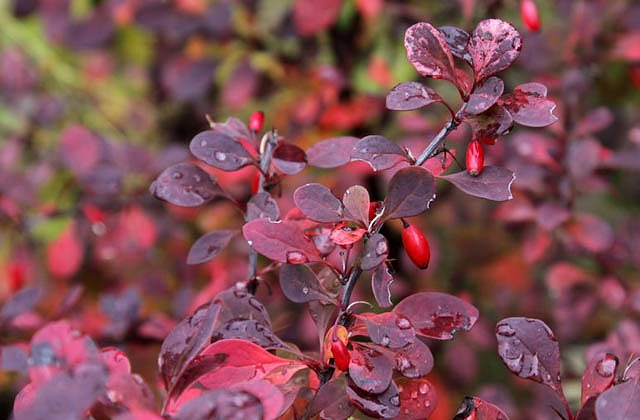
Imagine a tidy, fountaining mound of deep burgundy foliage that practically glows in spring light. That’s your Crimson Pygmy at first glance. The leaves emerge in bright red before deepening to that rich wine color as the season progresses—a color that holds strong through summer while most other red-leafed plants fade to greenish-bronze by July. In late April and early May, tiny pale yellow flowers appear along the stems, almost hidden beneath the foliage but absolutely essential to the plant’s appeal (they’re followed by bright red berries that birds adore). Come autumn, the show intensifies—those burgundy leaves shift toward scarlet and crimson before dropping, revealing an elegant angular branching structure for winter interest. Growth habit is naturally compact and mounded, typically staying well under three feet tall and wide, making it one of the most naturally well-behaved shrubs you can plant.

Growing it in your garden

This is where Crimson Pygmy becomes almost laughably easy. It thrives across Connecticut’s growing zones and honestly seems happier the more you ignore it. Full sun produces the most vibrant color—and we mean truly full sun, six or more hours daily—though it’ll tolerate partial shade if you’re willing to accept slightly less intense coloring. As for soil, well, here’s the beautiful part: Crimson Pygmy adapts to nearly everything New England throws at it. Poor soil, rich soil, acidic, slightly alkaline, dry conditions, even periodic moisture—this shrub just shrugs and keeps looking good. It’s not fussy about drainage either, though it prefers things on the drier side once established. Plant it in spring or fall, water deeply for the first season, and then step back.

Through the seasons

Spring announces itself with those vivid red new leaves that seem to glow from within, followed by delicate yellow flowers that bring early-season pollinators to your garden. Summer is all about color stability—while many red-leafed plants fade considerably, this one maintains its deep burgundy with impressive consistency, especially if you’re giving it ample sunlight. That’s when you notice how beautifully it anchors mixed borders and softens the edges of green-foliaged companions. Autumn brings warmth and intensity to the color palette, with leaves reaching their most dramatic hues just as the garden is winding down. Winter reveals the architectural branching structure beneath, offering understated presence when much else has gone dormant. The persistent red berries provide color and food for winter birds long after the leaves fall.

Where it shines

Crimson Pygmy belongs in foundation plantings where you want year-round color without excessive height. It’s perfect for the front of mixed borders, as a specimen in small spaces, or massed together for a flowing hedge of color. Connecticut gardeners often use it to soften the hard lines of contemporary homes or to add warmth to landscape corners. It works beautifully in containers if you’re looking to brighten a patio or entryway, and because it stays so compact, even modest spaces feel the benefit. Plant it where morning light can illuminate those burgundy leaves—the difference is truly transformative.

Perfect companions

Think cool colors against warm foliage: silver-leafed plants like Artemisia or Dusty Miller create stunning contrast with Crimson Pygmy’s deep tones. Ornamental grasses—particularly those with golden or chartreuse foliage—make perfect neighbors. Pair it with evergreens like dwarf Alberta Spruce or Hinoki Cypress for year-round structure. Hostas with blue or chartreuse leaves look absolutely luminous beside it, and spring bulbs like Alliums pop beautifully emerging through its branches.

Care tips

Crimson Pygmy asks very little, but a few practices keep it looking its best. Prune lightly in early spring if you want to maintain a tighter shape, though it rarely needs significant pruning thanks to its naturally compact growth. Avoid heavy-handed shearing, which can make it look artificial and destroy its graceful form. Once established (generally by year two), it’s extremely drought tolerant, making it an excellent choice for low-water gardens. The one thing it doesn’t appreciate is wet feet—ensure drainage is adequate in heavy Connecticut clay soils. Fertilizer isn’t necessary; in fact, rich soil can actually soften the intensity of the foliage color.

Quick facts

  • Hardiness Zone: 4-9
  • Mature Height & Spread: 2-3 feet tall and wide
  • Bloom Season: Late April through May
  • Light Requirements: Full sun (6+ hours); partial shade tolerated
  • Water Needs: Low to moderate; drought tolerant when established
  • Available at: Both our retail and wholesale locations
Crimson Pygmy Barberry

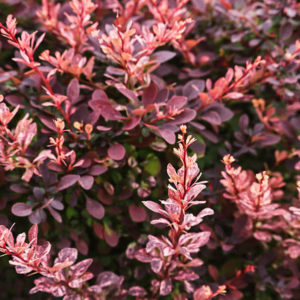
A versatile low profile red-leafed barberry adaptable to many garden needs. An excellent mixed border plant to add foliage color.

Pot Size (gallons), Height: #3

Description

Crimson Pygmy Barberry

BERBERIS THUNBERGII ‘CRIMSON PYGMY’

Landscape design doesn’t get much smarter than this: a plant that gives you year-round color, demands virtually nothing in return, and somehow makes every surrounding plant look better. The Crimson Pygmy Barberry is that plant. Don’t let the “pygmy” fool you—this compact shrub packs more visual punch than plants twice its size, and Connecticut gardeners have loved it for good reason since its introduction decades ago. It’s proof that great things really do come in small packages.

What it looks like

Imagine a tidy, fountaining mound of deep burgundy foliage that practically glows in spring light. That’s your Crimson Pygmy at first glance. The leaves emerge in bright red before deepening to that rich wine color as the season progresses—a color that holds strong through summer while most other red-leafed plants fade to greenish-bronze by July. In late April and early May, tiny pale yellow flowers appear along the stems, almost hidden beneath the foliage but absolutely essential to the plant’s appeal (they’re followed by bright red berries that birds adore). Come autumn, the show intensifies—those burgundy leaves shift toward scarlet and crimson before dropping, revealing an elegant angular branching structure for winter interest. Growth habit is naturally compact and mounded, typically staying well under three feet tall and wide, making it one of the most naturally well-behaved shrubs you can plant.

Growing it in your garden

This is where Crimson Pygmy becomes almost laughably easy. It thrives across Connecticut’s growing zones and honestly seems happier the more you ignore it. Full sun produces the most vibrant color—and we mean truly full sun, six or more hours daily—though it’ll tolerate partial shade if you’re willing to accept slightly less intense coloring. As for soil, well, here’s the beautiful part: Crimson Pygmy adapts to nearly everything New England throws at it. Poor soil, rich soil, acidic, slightly alkaline, dry conditions, even periodic moisture—this shrub just shrugs and keeps looking good. It’s not fussy about drainage either, though it prefers things on the drier side once established. Plant it in spring or fall, water deeply for the first season, and then step back.

Through the seasons

Spring announces itself with those vivid red new leaves that seem to glow from within, followed by delicate yellow flowers that bring early-season pollinators to your garden. Summer is all about color stability—while many red-leafed plants fade considerably, this one maintains its deep burgundy with impressive consistency, especially if you’re giving it ample sunlight. That’s when you notice how beautifully it anchors mixed borders and softens the edges of green-foliaged companions. Autumn brings warmth and intensity to the color palette, with leaves reaching their most dramatic hues just as the garden is winding down. Winter reveals the architectural branching structure beneath, offering understated presence when much else has gone dormant. The persistent red berries provide color and food for winter birds long after the leaves fall.

Where it shines

Crimson Pygmy belongs in foundation plantings where you want year-round color without excessive height. It’s perfect for the front of mixed borders, as a specimen in small spaces, or massed together for a flowing hedge of color. Connecticut gardeners often use it to soften the hard lines of contemporary homes or to add warmth to landscape corners. It works beautifully in containers if you’re looking to brighten a patio or entryway, and because it stays so compact, even modest spaces feel the benefit. Plant it where morning light can illuminate those burgundy leaves—the difference is truly transformative.

Perfect companions

Think cool colors against warm foliage: silver-leafed plants like Artemisia or Dusty Miller create stunning contrast with Crimson Pygmy’s deep tones. Ornamental grasses—particularly those with golden or chartreuse foliage—make perfect neighbors. Pair it with evergreens like dwarf Alberta Spruce or Hinoki Cypress for year-round structure. Hostas with blue or chartreuse leaves look absolutely luminous beside it, and spring bulbs like Alliums pop beautifully emerging through its branches.

Care tips

Crimson Pygmy asks very little, but a few practices keep it looking its best. Prune lightly in early spring if you want to maintain a tighter shape, though it rarely needs significant pruning thanks to its naturally compact growth. Avoid heavy-handed shearing, which can make it look artificial and destroy its graceful form. Once established (generally by year two), it’s extremely drought tolerant, making it an excellent choice for low-water gardens. The one thing it doesn’t appreciate is wet feet—ensure drainage is adequate in heavy Connecticut clay soils. Fertilizer isn’t necessary; in fact, rich soil can actually soften the intensity of the foliage color.

Quick facts

  • Hardiness Zone: 4-9
  • Mature Height & Spread: 2-3 feet tall and wide
  • Bloom Season: Late April through May
  • Light Requirements: Full sun (6+ hours); partial shade tolerated
  • Water Needs: Low to moderate; drought tolerant when established
  • Available at: Both our retail and wholesale locations