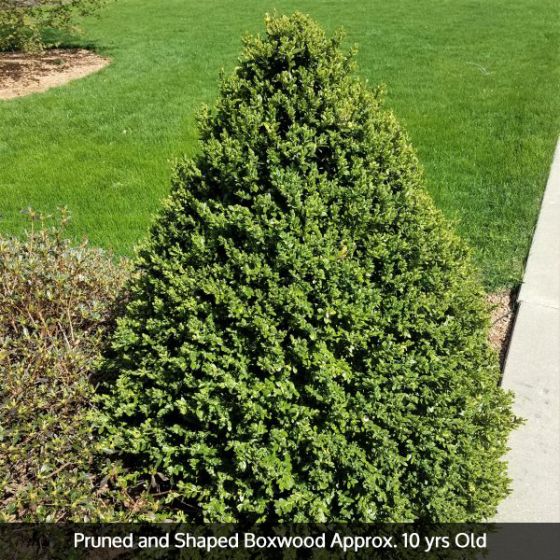
BUXUS SEMPERVIRENS ‘GREEN MOUNTAIN’

If you’ve been searching for a boxwood that actually thrives in New England’s temperamental winters, stop looking. Green Mountain Boxwood is the reliable friend who shows up year after year, standing proud through everything Connecticut throws at it. This isn’t a delicate Southern belle—it’s a tough, dependable evergreen that laughs at our January cold snaps and comes out looking better than ever.

What it looks like

Green Mountain Boxwood has a distinctly columnar form that makes it feel architectural and intentional in the garden. Its foliage is a rich, true green that doesn’t fade to that bronze or purple tone that some boxwoods develop in winter—it stays vibrant and alive even when everything else is dormant. The leaves are small and densely packed, creating a finely textured appearance that rewards a closer look. The plant grows upright and naturally compact, creating an elegant vertical accent without requiring you to become a topiary obsessive.

Growing it in your garden

Here’s what makes Green Mountain special: it’s actually cold-hardy. While many boxwoods struggle with our harsh Connecticut winters, this variety was developed specifically for the Northeast. It tolerates those brutal temperature swings that make other plants weep. Plant it in well-draining soil—boxwoods despise wet feet—and choose a spot with at least partial sun. It’s forgiving about light, performing acceptably in part shade, though it prefers some direct rays to achieve its densest growth. Space plants based on your ultimate design goals; they play beautifully in rows, as focal points, or grouped in clusters.

Through the seasons

Spring brings fresh, slightly brighter growth at the tips, though Green Mountain never goes deciduous or loses its structure. Summer is when this boxwood hits its stride—dense, full, and naturally symmetrical without fussing. Fall sees no dramatic change; the foliage holds its color steadily. Winter is when Green Mountain proves its worth. While you’re inside watching snow pile up, this plant stands sentinel in the garden, maintaining its shape and color through the coldest months. It’s one of those plants that actually makes your winter garden look intentional rather than bleak.

Where it shines

Green Mountain Boxwood is the answer to formal hedging in New England. Its columnar habit makes it ideal for creating living screens, framing doorways, or defining garden beds with clean lines. It works beautifully in contemporary gardens where architectural shapes matter, and it’s equally at home in traditional settings. Use it to create year-round structure in mixed borders, to anchor container gardens with evergreen dignity, or to define pathways with living walls. It’s also surprisingly effective as a specimen plant—just let it do its thing and let its natural form speak for itself.

Perfect companions

Plant Green Mountain with shade-tolerant perennials like hellebores, bleeding hearts, or coral bells to create textural contrast. Pair it with other cold-hardy evergreens like ILEX ‘DARK GREEN’ or Japanese holly for a sophisticated evergreen composition. In spring, surround it with bulbs—tulips and daffodils create striking pops of color against the green backdrop. Ornamental grasses like feather reed grass provide movement and contrast. Remember that boxwoods like their space, so give them breathing room rather than crowding them with aggressive plants.

Care tips

Watering is crucial the first year—keep soil consistently moist (not wet) as the plant establishes. After that, Green Mountain is fairly drought-tolerant once established, though it appreciates regular moisture during dry Connecticut summers. Mulch around the base to keep roots cool and conserve moisture. Pruning is minimal; if you want to maintain a specific shape, light shearing in late spring works beautifully. Resist heavy pruning into old wood. In our New England climate, boxwoods can occasionally face scale or mites, so monitor your plant and address issues early. A good organic horticultural oil spray handles most problems. Feed in early spring with a balanced, slow-release fertilizer formulated for evergreens.

Quick facts

  • Hardiness Zone: 4b–9 (perfect for Connecticut)
  • Mature Height & Spread: 5–6 feet tall, 2–3 feet wide
  • Bloom Season: Not grown for flowers
  • Light Requirements: Full sun to part shade
  • Water Needs: Moderate; prefers consistent moisture but not waterlogged soil
  • Available at: Both our retail and wholesale locations

Green Mountain Boxwood

Green Mountain Pyramidal Boxwood has handsome foliage with reliable green color. The small, dark-green leaves hold their color well against the winter winds.

Pot Size (gallons), Height: 18″

Description

BUXUS SEMPERVIRENS ‘GREEN MOUNTAIN’

If you’ve been searching for a boxwood that actually thrives in New England’s temperamental winters, stop looking. Green Mountain Boxwood is the reliable friend who shows up year after year, standing proud through everything Connecticut throws at it. This isn’t a delicate Southern belle—it’s a tough, dependable evergreen that laughs at our January cold snaps and comes out looking better than ever.

What it looks like

Green Mountain Boxwood has a distinctly columnar form that makes it feel architectural and intentional in the garden. Its foliage is a rich, true green that doesn’t fade to that bronze or purple tone that some boxwoods develop in winter—it stays vibrant and alive even when everything else is dormant. The leaves are small and densely packed, creating a finely textured appearance that rewards a closer look. The plant grows upright and naturally compact, creating an elegant vertical accent without requiring you to become a topiary obsessive.

Growing it in your garden

Here’s what makes Green Mountain special: it’s actually cold-hardy. While many boxwoods struggle with our harsh Connecticut winters, this variety was developed specifically for the Northeast. It tolerates those brutal temperature swings that make other plants weep. Plant it in well-draining soil—boxwoods despise wet feet—and choose a spot with at least partial sun. It’s forgiving about light, performing acceptably in part shade, though it prefers some direct rays to achieve its densest growth. Space plants based on your ultimate design goals; they play beautifully in rows, as focal points, or grouped in clusters.

Through the seasons

Spring brings fresh, slightly brighter growth at the tips, though Green Mountain never goes deciduous or loses its structure. Summer is when this boxwood hits its stride—dense, full, and naturally symmetrical without fussing. Fall sees no dramatic change; the foliage holds its color steadily. Winter is when Green Mountain proves its worth. While you’re inside watching snow pile up, this plant stands sentinel in the garden, maintaining its shape and color through the coldest months. It’s one of those plants that actually makes your winter garden look intentional rather than bleak.

Where it shines

Green Mountain Boxwood is the answer to formal hedging in New England. Its columnar habit makes it ideal for creating living screens, framing doorways, or defining garden beds with clean lines. It works beautifully in contemporary gardens where architectural shapes matter, and it’s equally at home in traditional settings. Use it to create year-round structure in mixed borders, to anchor container gardens with evergreen dignity, or to define pathways with living walls. It’s also surprisingly effective as a specimen plant—just let it do its thing and let its natural form speak for itself.

Perfect companions

Plant Green Mountain with shade-tolerant perennials like hellebores, bleeding hearts, or coral bells to create textural contrast. Pair it with other cold-hardy evergreens like ILEX ‘DARK GREEN’ or Japanese holly for a sophisticated evergreen composition. In spring, surround it with bulbs—tulips and daffodils create striking pops of color against the green backdrop. Ornamental grasses like feather reed grass provide movement and contrast. Remember that boxwoods like their space, so give them breathing room rather than crowding them with aggressive plants.

Care tips

Watering is crucial the first year—keep soil consistently moist (not wet) as the plant establishes. After that, Green Mountain is fairly drought-tolerant once established, though it appreciates regular moisture during dry Connecticut summers. Mulch around the base to keep roots cool and conserve moisture. Pruning is minimal; if you want to maintain a specific shape, light shearing in late spring works beautifully. Resist heavy pruning into old wood. In our New England climate, boxwoods can occasionally face scale or mites, so monitor your plant and address issues early. A good organic horticultural oil spray handles most problems. Feed in early spring with a balanced, slow-release fertilizer formulated for evergreens.

Quick facts

  • Hardiness Zone: 4b–9 (perfect for Connecticut)
  • Mature Height & Spread: 5–6 feet tall, 2–3 feet wide
  • Bloom Season: Not grown for flowers
  • Light Requirements: Full sun to part shade
  • Water Needs: Moderate; prefers consistent moisture but not waterlogged soil
  • Available at: Both our retail and wholesale locations