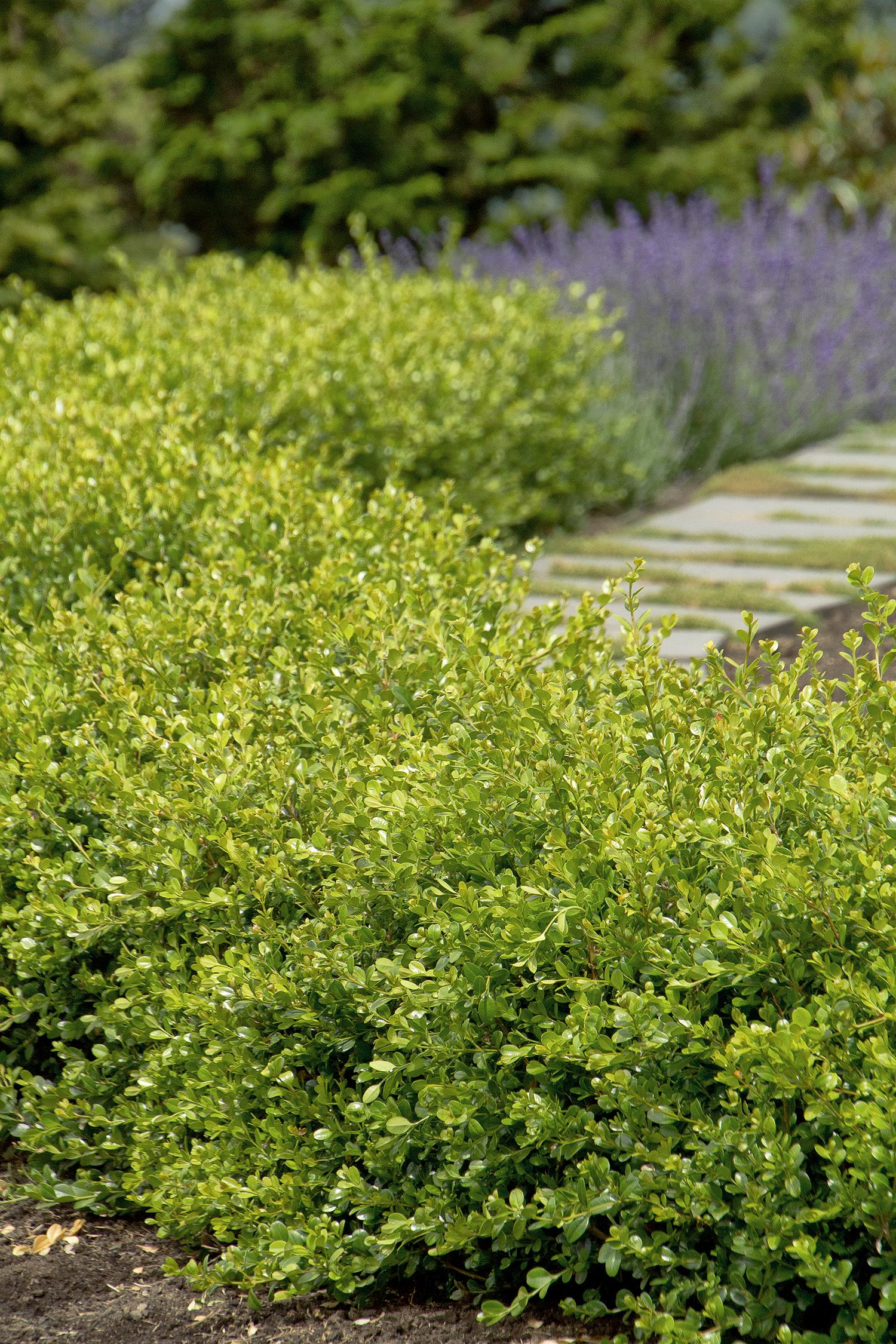
Winter Gem Boxwood

BUXUS MICROPHYLLA VAR. JAPONICA ‘WINTER GEM’

If you’ve been searching for something that handles wet soil, deep shade, and Connecticut winters without complaint—while staying compact, neat, and year-round gorgeous—Winter Gem Boxwood might just be the plant you’ve been waiting for. This isn’t a flashy showstopper that demands attention. It’s something better: a reliable, elegant workhorse that looks impeccable in January just as much as it does in June.

What it looks like

Winter Gem is a small, densely branched evergreen with incredibly fine, tiny leaves that pack together to create a soft, touchable texture. The foliage is a deep, lustrous green during the growing season—the kind of green that makes you want to run your hand across it. Here’s where it gets interesting: come fall and winter, when many plants fade to drab olive or brown, Winter Gem develops warm bronze and mahogany tones throughout its foliage, especially on new growth exposed to cold. This isn’t damage or stress—it’s the plant’s natural response to cooler temperatures, and it’s genuinely beautiful. The coloring intensifies through the coldest months and gradually fades back to rich green as spring arrives. The overall habit is naturally rounded and compact, rarely exceeding 3 to 4 feet tall and wide without pruning.

Growing it in your garden

Winter Gem thrives in the partial shade to full sun conditions that are so common in New England gardens. Unlike many boxwoods that prefer dappled afternoon shade, this variety actually performs better with some direct sun exposure—it’s one reason the winter bronze coloring develops so dramatically. That said, it won’t sulk in shadier spots; it’s simply more colorful when it gets light.

The real magic of Winter Gem is its adaptability to soil conditions. Plant it in moist, well-draining soil and watch it flourish. But here’s the honest truth: it handles the heavy clay soils and occasional wet conditions that plague many Connecticut gardens far better than its boxwood cousins. It’s remarkably tolerant of poor drainage, which makes it invaluable in low spots or areas where water tends to collect after spring snowmelt or summer storms.

Through the seasons

Spring brings fresh, bright green foliage as the plants push new growth. Late spring typically features tiny, fragrant white flowers—they’re small enough that you might miss them unless you lean in close, but their honey-like scent is unmistakable on warm days. Summer is when Winter Gem does its quiet work: the foliage deepens in color, the plant maintains its naturally tidy shape, and it requires minimal fussing.

Fall is when Winter Gem begins its transformation. As temperatures drop in October and November, the foliage gradually shifts toward bronze and warm mahogany—a subtle shift at first, then more pronounced as winter truly sets in. This coloration actually protects the foliage from harsh winter winds and bright sun, which is why the plant developed this trait naturally. By January and February, when your garden is monochromatic and dormant, Winter Gem stands out with its warm, dimensional color. As days lengthen and soil warms in late March and April, the bronze gradually fades back to green.

Where it shines

Winter Gem is perfect for formal hedging and edging—its fine texture and slow growth make it ideal for creating clean lines without constant maintenance. Use it as a specimen plant where its year-round presence and winter color can be fully appreciated. It’s stunning in containers on a porch or entryway, where you can enjoy its color changes up close. In mixed borders, it provides reliable structure and backdrop without competing with other plants. Foundation plantings benefit enormously from Winter Gem’s compact habit and architectural presence.

Perfect companions

Winter Gem plays beautifully with shade-tolerant perennials like HELLEBORUS and EPIMEDIUM. Pair it with late-season bloomers like sedums and asters that flower after the boxwood’s spring show concludes. Early spring bulbs like SCILLA and CROCUS look lovely planted around its base, and the boxwood’s evergreen presence provides continuity after the bulbs fade. In sunnier spots, combine it with ornamental grasses and Japanese maples for textural contrast.

Care tips

Winter Gem requires minimal pruning—it naturally maintains a neat, rounded form. A light shearing in early spring can keep it perfectly manicured if you prefer a formal look, but it’s entirely optional. Water regularly during the first growing season to establish a deep root system. Once established, it’s remarkably drought-tolerant, though it performs best with consistent moisture during Connecticut’s dry spells. Mulch around young plants to keep roots cool and retain moisture. No significant pest or disease issues plague this variety in New England. Avoid heavy fertilizing, which encourages weak, leggy growth.

Quick facts

  • Hardiness Zone: 5–9 (thrives throughout Connecticut)
  • Mature Height & Spread: 3–4 feet tall and wide
  • Bloom Season: Late spring; fragrant white flowers
  • Light Requirements: Partial shade to full sun
  • Water Needs: Moderate; tolerates wet soil better than most boxwoods
  • Available at: Both our retail and wholesale locations

Winter Gem Boxwood

Category:

An excellent evergreen shrub for small hedges. Among the hardiest of the small-leaved boxwoods, the rich green foliage can acquire a golden bronze hue in cold winter zones, but is one of the first to become green again in spring.

Pot Size (gallons), Height: 18″

Description

Winter Gem Boxwood

BUXUS MICROPHYLLA VAR. JAPONICA ‘WINTER GEM’

If you’ve been searching for something that handles wet soil, deep shade, and Connecticut winters without complaint—while staying compact, neat, and year-round gorgeous—Winter Gem Boxwood might just be the plant you’ve been waiting for. This isn’t a flashy showstopper that demands attention. It’s something better: a reliable, elegant workhorse that looks impeccable in January just as much as it does in June.

What it looks like

Winter Gem is a small, densely branched evergreen with incredibly fine, tiny leaves that pack together to create a soft, touchable texture. The foliage is a deep, lustrous green during the growing season—the kind of green that makes you want to run your hand across it. Here’s where it gets interesting: come fall and winter, when many plants fade to drab olive or brown, Winter Gem develops warm bronze and mahogany tones throughout its foliage, especially on new growth exposed to cold. This isn’t damage or stress—it’s the plant’s natural response to cooler temperatures, and it’s genuinely beautiful. The coloring intensifies through the coldest months and gradually fades back to rich green as spring arrives. The overall habit is naturally rounded and compact, rarely exceeding 3 to 4 feet tall and wide without pruning.

Growing it in your garden

Winter Gem thrives in the partial shade to full sun conditions that are so common in New England gardens. Unlike many boxwoods that prefer dappled afternoon shade, this variety actually performs better with some direct sun exposure—it’s one reason the winter bronze coloring develops so dramatically. That said, it won’t sulk in shadier spots; it’s simply more colorful when it gets light.

The real magic of Winter Gem is its adaptability to soil conditions. Plant it in moist, well-draining soil and watch it flourish. But here’s the honest truth: it handles the heavy clay soils and occasional wet conditions that plague many Connecticut gardens far better than its boxwood cousins. It’s remarkably tolerant of poor drainage, which makes it invaluable in low spots or areas where water tends to collect after spring snowmelt or summer storms.

Through the seasons

Spring brings fresh, bright green foliage as the plants push new growth. Late spring typically features tiny, fragrant white flowers—they’re small enough that you might miss them unless you lean in close, but their honey-like scent is unmistakable on warm days. Summer is when Winter Gem does its quiet work: the foliage deepens in color, the plant maintains its naturally tidy shape, and it requires minimal fussing.

Fall is when Winter Gem begins its transformation. As temperatures drop in October and November, the foliage gradually shifts toward bronze and warm mahogany—a subtle shift at first, then more pronounced as winter truly sets in. This coloration actually protects the foliage from harsh winter winds and bright sun, which is why the plant developed this trait naturally. By January and February, when your garden is monochromatic and dormant, Winter Gem stands out with its warm, dimensional color. As days lengthen and soil warms in late March and April, the bronze gradually fades back to green.

Where it shines

Winter Gem is perfect for formal hedging and edging—its fine texture and slow growth make it ideal for creating clean lines without constant maintenance. Use it as a specimen plant where its year-round presence and winter color can be fully appreciated. It’s stunning in containers on a porch or entryway, where you can enjoy its color changes up close. In mixed borders, it provides reliable structure and backdrop without competing with other plants. Foundation plantings benefit enormously from Winter Gem’s compact habit and architectural presence.

Perfect companions

Winter Gem plays beautifully with shade-tolerant perennials like HELLEBORUS and EPIMEDIUM. Pair it with late-season bloomers like sedums and asters that flower after the boxwood’s spring show concludes. Early spring bulbs like SCILLA and CROCUS look lovely planted around its base, and the boxwood’s evergreen presence provides continuity after the bulbs fade. In sunnier spots, combine it with ornamental grasses and Japanese maples for textural contrast.

Care tips

Winter Gem requires minimal pruning—it naturally maintains a neat, rounded form. A light shearing in early spring can keep it perfectly manicured if you prefer a formal look, but it’s entirely optional. Water regularly during the first growing season to establish a deep root system. Once established, it’s remarkably drought-tolerant, though it performs best with consistent moisture during Connecticut’s dry spells. Mulch around young plants to keep roots cool and retain moisture. No significant pest or disease issues plague this variety in New England. Avoid heavy fertilizing, which encourages weak, leggy growth.

Quick facts

  • Hardiness Zone: 5–9 (thrives throughout Connecticut)
  • Mature Height & Spread: 3–4 feet tall and wide
  • Bloom Season: Late spring; fragrant white flowers
  • Light Requirements: Partial shade to full sun
  • Water Needs: Moderate; tolerates wet soil better than most boxwoods
  • Available at: Both our retail and wholesale locations