

Description
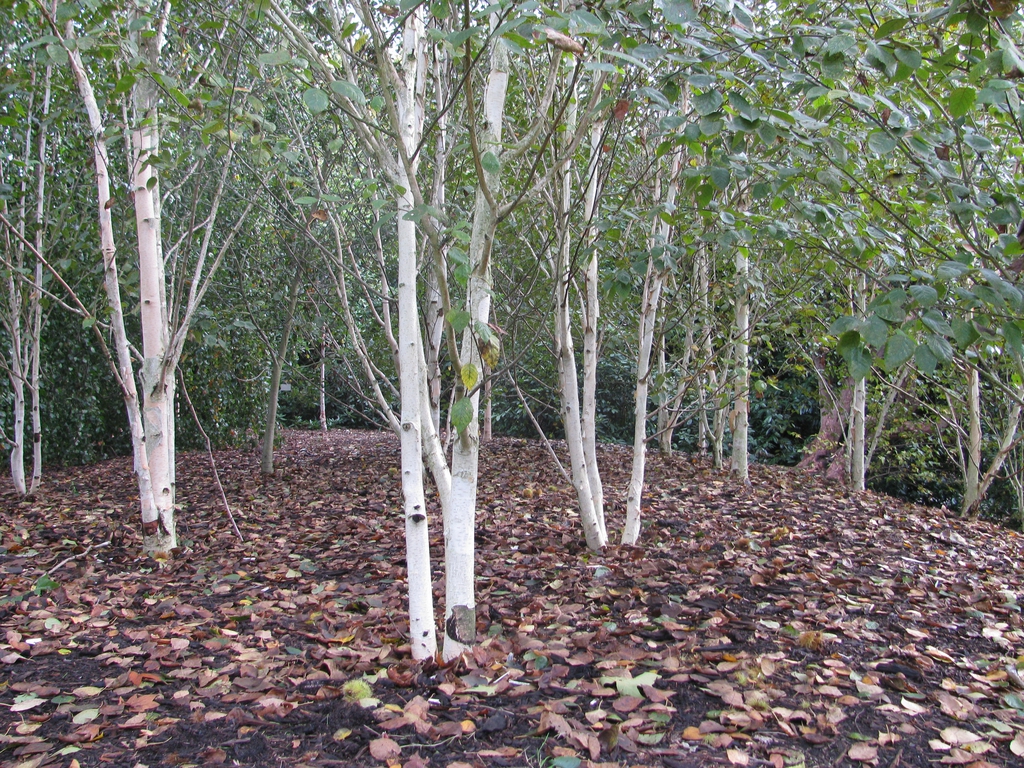
BETULA UTILIS VAR. JACQUEMONTII
The Jacquemontii Birch is a living work of art, and honestly, once you plant one, you’ll wonder why every Connecticut garden doesn’t have one. This tree stops people in their tracks year-round, but especially in winter when most of the landscape has faded to gray and brown. Pure white bark that peels in papery sheets—sometimes almost translucent in certain light—creates visual interest that no deciduous tree should be allowed to possess. It’s the kind of plant that makes you look out your window on a February morning and smile.
What it looks like
This is the birch that makes you do a double-take. The bark is its main calling card: brilliant white, sometimes with hints of cream or peachy undertones, peeling away in delicate strips that create wonderful texture and pattern. Even young trees have this characteristic, which is one reason gardeners fall in love with them so quickly. The foliage is fine and delicate—small, deep green leaves that flutter in the slightest breeze and create a soft, almost ethereal appearance in summer. In fall, the leaves turn a lovely pale yellow before dropping. You’ll also notice the hanging catkins in early spring, those charming dangly structures that add movement and interest.
Growing it in your garden
Jacquemontii Birch is surprisingly adaptable for Connecticut growing. It prefers full sun—at least six hours daily—where the bark color is most vibrant. While it’s native to the Himalayas, it’s proven itself hardy in New England, handling our temperature swings and winter conditions without complaint. The real secret to success is getting the soil right: these trees want well-draining soil and consistent moisture, especially during establishment. They’re not fans of compacted or heavy clay soil, so if your property has that challenge, amend generously with compost before planting. They also appreciate air circulation, which helps prevent some of the fungal issues that can trouble birches in humid climates.
Through the seasons
Spring arrives with catkins dangling from branches—a delicate, almost unfamiliar grace note for a tree. Summer brings that airy, filtered shade that makes sitting underneath feel like sitting inside a watercolor painting. The fine foliage moves with every breeze, creating constant gentle motion. Fall transforms the leaves to soft golden yellow, which creates a lovely contrast against that famous white bark. Winter is when Jacquemontii Birch truly shines. When the leaves drop, you’re left with the architectural gift of that white bark, which becomes more prominent and dramatic in winter light, especially in the low-angle sunshine of late afternoon.
Where it shines
Plant this where you can see it in winter—near your patio, framed by a window, or positioned to catch morning or afternoon light. The dramatic bark needs visibility to earn its place. It’s exceptional as a specimen tree in contemporary landscapes, stunning in clusters of three (which creates even more visual impact), and perfect for bringing seasonal interest to areas that otherwise go dormant in winter. The understated elegance works beautifully in both formal and naturalistic settings. It’s also a smart choice for wildlife: the seeds feed birds in fall and winter, and the birch provides shelter.
Perfect companions
The delicate, open branching pattern of Jacquemontii Birch pairs beautifully with ornamental grasses like PANICUM VIRGATUM (Switchgrass), which echoes the airy feeling. Underplant with shade-tolerant perennials like HELLEBORUS (Hellebores) or ASTILBE, which thrive in the dappled light. Evergreens like ILEX (Holly) or TAXUS (Yew) provide winter structure and make the white bark pop by contrast. Spring bulbs—TULIPA and CROCUS—look lovely emerging through the base.
Care tips
Water regularly during the first two growing seasons to establish a strong root system. Mulch with two to three inches of compost, keeping it a few inches away from the trunk. Once established, Jacquemontii Birch is fairly low-maintenance, but do monitor for birch leaf miner, which occasionally troubles birches in the Northeast. Prune only in late fall or winter, and avoid pruning in spring or summer when the tree is more susceptible to stress. Let the beautiful bark shine—don’t paint or seal it. The peeling bark is natural and healthy; just resist the urge to peel it yourself (we know it’s tempting!).
Quick facts
- Hardiness Zone: 4-7
- Mature Height & Spread: 40-50 feet tall, 25-30 feet wide
- Bloom Season: Early spring catkins
- Light Requirements: Full sun (6+ hours daily)
- Water Needs: Moderate; consistent moisture, especially during establishment
- Available at: Both our retail and wholesale locations.