
Description

CORNUS MAS ‘ROSY TEACUP’
If you’ve been searching for something that handles wet soil, deep shade, and Connecticut winters without complaint—while also delivering cheerful color from early spring straight through to fall—the Rosy Teacup Dogwood might just be the answer you’ve been waiting for. This isn’t your typical shrub that peaks for two weeks and then fades into the background. This is a plant that works harder than it looks, blooming when almost nothing else is awake, producing jewel-toned fruit that birds can’t resist, and sporting foliage that transitions from soft green to burgundy wine as the season cools. It’s the kind of plant that makes gardeners stop and ask, “What is that?” three times a year.
What it looks like
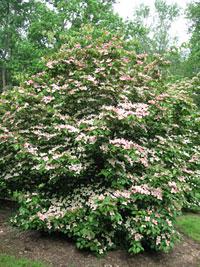
Rosy Teacup is a compact, multi-stemmed shrub that grows with a naturally graceful, somewhat mounding habit. What makes it special is the abundance of delicate, tiny yellow flowers that appear in late winter to early spring—before the leaves have even fully emerged. These little flowers cluster along the branches in such profusion that the whole plant seems to glow from within. As spring progresses, soft green leaves unfurl, and by late spring and early summer, small scarlet-red fruits appear, hanging like tiny ornaments from the branches. These fruits ripen to a deeper red and persist through summer, attracting cedar waxwings and robins while adding visual interest long after the blooms fade. Come autumn, the foliage shifts to stunning shades of burgundy, rust, and deep plum—a sophisticated color show that feels more refined than flashy.
Growing it in your garden
This is where Rosy Teacup really earns its place in a New England garden. It’s remarkably adaptable and unfussy about where you plant it. Yes, it prefers full sun to partial shade for the most abundant blooming, but it’ll perform respectably in shadier spots than many shrubs—making it invaluable for those tricky areas where most things struggle. It handles wet soil beautifully, which makes it perfect for low-lying areas or spots where drainage is less than ideal. It’s also genuinely cold-hardy through Connecticut winters, suffering no damage in our toughest years. The plant has a naturally tidy habit, so it doesn’t require aggressive pruning to look good, though it responds well to gentle shaping if you want to encourage a particular form. Plant it where you can appreciate both the spring flowers and the summer fruit, and where it can get at least a few hours of direct sun daily for peak performance.
Through the seasons
Late winter brings the magic: those tiny yellow flowers cluster along bare branches, sometimes appearing while snow is still on the ground. Spring follows with the emergence of fresh green foliage and the appearance of scarlet fruits. Summer is about enjoying the texture and the reliable presence of those red berries—they’re ornamental in their own right, and they’ll bring bird activity to your garden. Fall is when Rosy Teacup really turns heads, with foliage that shifts through multiple shades of burgundy and plum before dropping to reveal attractive branching. The fruit often persists into winter, especially if the birds haven’t claimed it all, providing color and interest during the darker months.
Where it shines
Plant this in a mixed shrub border where its spring flowers can announce the season ahead, and where its fruit can provide summer focal points. It’s excellent as a specimen plant in a small garden or a corner of a larger landscape—somewhere you’ll walk past regularly and catch the seasonal changes. Along woodland edges or in semi-shaded understory plantings, it brings life to areas that might otherwise be green-and-plain. It’s also wonderful near a window or seating area where you can enjoy both the flowers and the bird activity the fruit brings.
Perfect companions
Pair Rosy Teacup with shade-tolerant perennials like hellebores, which will bloom at the same time and echo the early-season color show. Combine it with other multi-season shrubs like Oakleaf Hydrangea for extended interest throughout the year. Spring-blooming bulbs—think daffodils and crocuses—at its base will bridge the gap between the Rosy Teacup’s flowers and the arrival of other spring bloomers. For fall color contrast, pair it with golden foliage shrubs or evergreens that’ll make its burgundy tones sing even more brightly.
Care tips
Water regularly during the first season to establish a strong root system, then Rosy Teacup becomes remarkably drought-tolerant for an understory plant. Mulch around the base to keep soil cool and retain moisture. Prune after flowering if you need to shape it, but honestly, this plant is naturally attractive and rarely demands much intervention. It’s not prone to serious pests or diseases in Connecticut, making it a low-maintenance choice for busy gardeners.
Quick facts
- Hardiness Zone: 4-8 (thrives throughout Connecticut)
- Mature Height & Spread: 8-10 feet tall and wide
- Bloom Season: Late February through March (flowers); scarlet fruit summer through winter
- Light Requirements: Full sun to partial shade
- Water Needs: Moderate; tolerates wet soil and drought once established
- Available at: Both our retail and wholesale locations