Weeping Redbud

Oh, I absolutely adore the Weeping Redbud! If you’ve been searching for a small tree that brings graceful elegance and stunning spring color to your Connecticut garden, this beauty is exactly what you’ve been looking for. There’s something almost magical about watching this tree unfold in spring with its cascading branches dripping with brilliant magenta flowers before a single leaf appears. It’s the kind of plant that makes your neighbors stop and ask what it is, and honestly, it’s one of my favorite go-to recommendations for gardeners who want something truly special without needing a massive space to accommodate it.

What it looks like

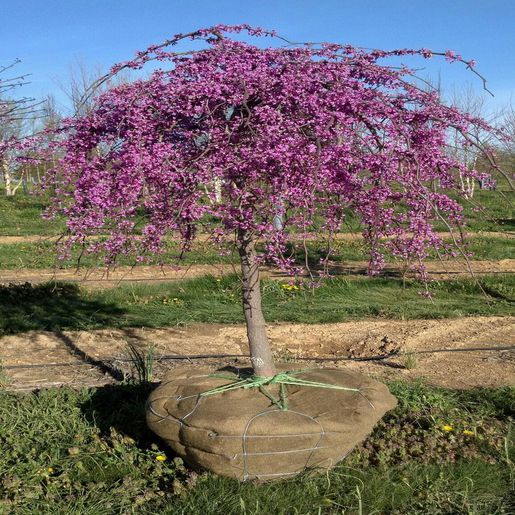
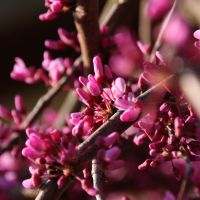
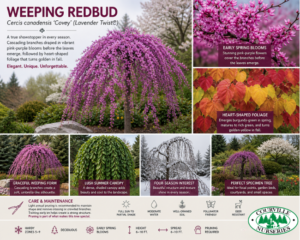
The Weeping Redbud (CERCIS CANADENSIS ‘COVEY’) is an absolutely charming small tree that typically grows with a naturally weeping, fountain-like form. Its delicate branches cascade gracefully downward, creating this wonderful umbrella shape that becomes more pronounced as the tree matures. The real showstopper comes in spring when those branches are absolutely covered in small, sweet pea-shaped flowers in the most gorgeous magenta-pink hue—seriously, it’s the kind of color that photographs beautifully and looks even better in person. After the flowers fade, heart-shaped leaves emerge in soft green, and they maintain that lovely shape throughout the growing season, turning warm golden yellow in fall. It’s elegant and refined, yet there’s something wonderfully whimsical about its weeping habit that makes it feel less formal than many ornamental trees.

Growing it in your garden

Growing the Weeping Redbud in our Connecticut climate is actually quite straightforward once you understand what it loves. This tree is hardy right here in New England and does beautifully when you give it what it wants. First, find a spot with full sun to part shade—I’ve seen them perform wonderfully in both conditions, though they’ll give you the most flowers with at least six hours of direct sun daily. They’re not terribly fussy about soil type, which is fantastic for us New Englanders dealing with our sometimes-challenging clay and rocky soils. However, they do prefer well-draining soil and aren’t fans of standing water or overly wet conditions. Plant it in spring so it has plenty of time to establish before our Connecticut winters arrive. The weeping form means you might want to think about placement in your landscape—consider where that graceful, cascading canopy will have room to develop without bumping into walkways or other plants. The good news is that it stays relatively compact, so even smaller Connecticut gardens can accommodate one beautifully.

Through the seasons

The Weeping Redbud puts on a truly memorable show throughout the year in our region. Spring is when this tree really steals the spotlight—those magenta flowers appear right around mid to late April when we’re all desperate for color after our long Connecticut winters. They bloom on the bare branches before the leaves emerge, so nothing interrupts the floral display. Once the flowers fade, the heart-shaped leaves fill in those branches, creating a soft, textured canopy that’s absolutely charming through summer. In fall, those leaves transition to buttery golden tones that glow beautifully in our autumn light. Even winter has its appeal—the weeping branching structure becomes more visible without foliage, creating an interesting architectural element in your garden. Some gardeners enjoy the bare silhouette against snow or winter skies, and frankly, I find it quite lovely.

Where it shines

This is where the Weeping Redbud really gets to show off. It’s absolutely perfect as a specimen plant—plant it somewhere you can see it from your house, especially in spring when it’s putting on its flower show. It’s wonderful for smaller gardens, tight spaces, and anywhere you need vertical interest without a lot of horizontal spread. I love them near patios or sitting areas where you can really enjoy those flowers up close. They work beautifully in Japanese-inspired gardens or any landscape where you want to emphasize graceful, flowing lines. They’re also fantastic for softening the edges of more formal spaces or adding whimsy to contemporary gardens. If you’re planting near a walkway, they can frame an entryway beautifully. They’re even suitable for larger container growing if you’re creative—though they’ll be happiest in garden soil.

Perfect companions

The Weeping Redbud plays well with so many other plants! Underneath or near it, I love spring-blooming bulbs like daffodils, tulips, and hellebores that echo that spring color celebration. Shade-tolerant perennials like hostas, ferns, and coral bells work wonderfully beneath its canopy once it’s leafed out. For color contrast, pair it with spring bloomers in white or pale pink—think serviceberry or flowering crabapples. In late season, the golden fall foliage looks stunning against purple-leafed plants or darker evergreens like boxwoods or yews. Underplanting with low-growing groundcovers like creeping phlox or sedum keeps the area looking intentional and beautiful.

Care tips

The Weeping Redbud is pretty low-maintenance once established, which is wonderful news for busy gardeners! Water regularly during the first year to help it establish a strong root system—this is especially important during our dry Connecticut summers. After that, it’s fairly drought-tolerant, though it appreciates regular water during extended dry spells. Pruning is minimal; just remove any dead branches or crossed limbs to maintain that graceful weeping form. Spring is the best time for any pruning needed. Avoid heavy fertilizing—these trees prefer naturally enriched soil and can become overly vigorous with too much nitrogen. Watch for any pest issues, though they’re generally quite pest-resistant here in the Northeast. The main thing is ensuring good drainage; standing water is their enemy, particularly in our wetter Connecticut springs.

Quick facts

  • Hardiness Zone: 4-8 (Perfect for Connecticut!)
  • Mature Height & Spread: 20-25 feet tall with a similar spread
  • Bloom Season: Mid to late spring (April-May)
  • Light Requirements: Full sun to part shade
  • Water Needs: Moderate; prefers consistent moisture but good drainage
  • Available at: Both our retail and wholesale locations.

Weeping Redbud

Cercis canadensis, commonly called eastern redbud, is a deciduous, often multi-trunked understory tree with a rounded crown that typically matures to 20-30’ tall with a slightly larger spread.

Description

Weeping Redbud

Oh, I absolutely adore the Weeping Redbud! If you’ve been searching for a small tree that brings graceful elegance and stunning spring color to your Connecticut garden, this beauty is exactly what you’ve been looking for. There’s something almost magical about watching this tree unfold in spring with its cascading branches dripping with brilliant magenta flowers before a single leaf appears. It’s the kind of plant that makes your neighbors stop and ask what it is, and honestly, it’s one of my favorite go-to recommendations for gardeners who want something truly special without needing a massive space to accommodate it.

What it looks like

The Weeping Redbud (CERCIS CANADENSIS ‘COVEY’) is an absolutely charming small tree that typically grows with a naturally weeping, fountain-like form. Its delicate branches cascade gracefully downward, creating this wonderful umbrella shape that becomes more pronounced as the tree matures. The real showstopper comes in spring when those branches are absolutely covered in small, sweet pea-shaped flowers in the most gorgeous magenta-pink hue—seriously, it’s the kind of color that photographs beautifully and looks even better in person. After the flowers fade, heart-shaped leaves emerge in soft green, and they maintain that lovely shape throughout the growing season, turning warm golden yellow in fall. It’s elegant and refined, yet there’s something wonderfully whimsical about its weeping habit that makes it feel less formal than many ornamental trees.

Growing it in your garden

Growing the Weeping Redbud in our Connecticut climate is actually quite straightforward once you understand what it loves. This tree is hardy right here in New England and does beautifully when you give it what it wants. First, find a spot with full sun to part shade—I’ve seen them perform wonderfully in both conditions, though they’ll give you the most flowers with at least six hours of direct sun daily. They’re not terribly fussy about soil type, which is fantastic for us New Englanders dealing with our sometimes-challenging clay and rocky soils. However, they do prefer well-draining soil and aren’t fans of standing water or overly wet conditions. Plant it in spring so it has plenty of time to establish before our Connecticut winters arrive. The weeping form means you might want to think about placement in your landscape—consider where that graceful, cascading canopy will have room to develop without bumping into walkways or other plants. The good news is that it stays relatively compact, so even smaller Connecticut gardens can accommodate one beautifully.

Through the seasons

The Weeping Redbud puts on a truly memorable show throughout the year in our region. Spring is when this tree really steals the spotlight—those magenta flowers appear right around mid to late April when we’re all desperate for color after our long Connecticut winters. They bloom on the bare branches before the leaves emerge, so nothing interrupts the floral display. Once the flowers fade, the heart-shaped leaves fill in those branches, creating a soft, textured canopy that’s absolutely charming through summer. In fall, those leaves transition to buttery golden tones that glow beautifully in our autumn light. Even winter has its appeal—the weeping branching structure becomes more visible without foliage, creating an interesting architectural element in your garden. Some gardeners enjoy the bare silhouette against snow or winter skies, and frankly, I find it quite lovely.

Where it shines

This is where the Weeping Redbud really gets to show off. It’s absolutely perfect as a specimen plant—plant it somewhere you can see it from your house, especially in spring when it’s putting on its flower show. It’s wonderful for smaller gardens, tight spaces, and anywhere you need vertical interest without a lot of horizontal spread. I love them near patios or sitting areas where you can really enjoy those flowers up close. They work beautifully in Japanese-inspired gardens or any landscape where you want to emphasize graceful, flowing lines. They’re also fantastic for softening the edges of more formal spaces or adding whimsy to contemporary gardens. If you’re planting near a walkway, they can frame an entryway beautifully. They’re even suitable for larger container growing if you’re creative—though they’ll be happiest in garden soil.

Perfect companions

The Weeping Redbud plays well with so many other plants! Underneath or near it, I love spring-blooming bulbs like daffodils, tulips, and hellebores that echo that spring color celebration. Shade-tolerant perennials like hostas, ferns, and coral bells work wonderfully beneath its canopy once it’s leafed out. For color contrast, pair it with spring bloomers in white or pale pink—think serviceberry or flowering crabapples. In late season, the golden fall foliage looks stunning against purple-leafed plants or darker evergreens like boxwoods or yews. Underplanting with low-growing groundcovers like creeping phlox or sedum keeps the area looking intentional and beautiful.

Care tips

The Weeping Redbud is pretty low-maintenance once established, which is wonderful news for busy gardeners! Water regularly during the first year to help it establish a strong root system—this is especially important during our dry Connecticut summers. After that, it’s fairly drought-tolerant, though it appreciates regular water during extended dry spells. Pruning is minimal; just remove any dead branches or crossed limbs to maintain that graceful weeping form. Spring is the best time for any pruning needed. Avoid heavy fertilizing—these trees prefer naturally enriched soil and can become overly vigorous with too much nitrogen. Watch for any pest issues, though they’re generally quite pest-resistant here in the Northeast. The main thing is ensuring good drainage; standing water is their enemy, particularly in our wetter Connecticut springs.

Quick facts

  • Hardiness Zone: 4-8 (Perfect for Connecticut!)
  • Mature Height & Spread: 20-25 feet tall with a similar spread
  • Bloom Season: Mid to late spring (April-May)
  • Light Requirements: Full sun to part shade
  • Water Needs: Moderate; prefers consistent moisture but good drainage
  • Available at: Both our retail and wholesale locations.