
Description

HOSTA ‘FRANCEE’ (HOSTA X ‘FRANCEE’)
If you’ve been searching for that one shade plant that stops people in their tracks—the one that somehow looks sophisticated without trying too hard—Francee Plantain Lily is exactly what you’ve been missing. This hosta variety has that rare combination of reliable toughness and genuine visual drama that makes it a favorite among Connecticut gardeners who’ve learned that shade doesn’t mean boring. The white-edged foliage practically glows in dim corners, turning even the darkest north-facing bed into something worth admiring.
What it looks like
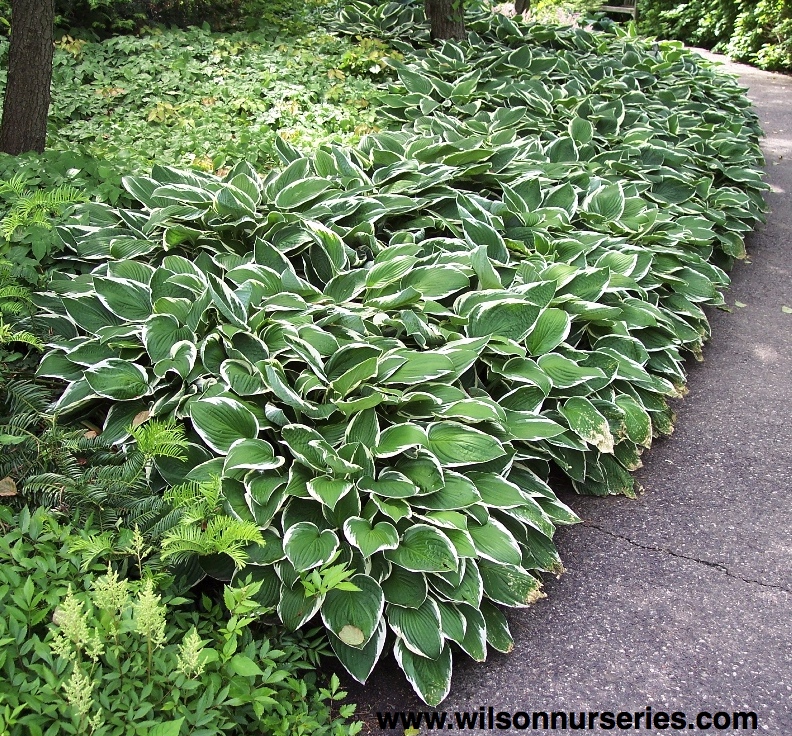
Francee is the elegant statement piece of the hosta world. Picture deep green, heart-shaped leaves with clean white margins that seem to frame each one like an intentional design. The leaves are substantial and glossy, arranged in neat mounds that have a naturally architectural quality. In summer, slender spikes emerge topped with pale lavender flowers that rise above the foliage in an airy, almost ethereal way—nothing showy, but definitely charming. The whole plant maintains a compact, tidy appearance that works beautifully in beds, borders, or containers.
Growing it in your garden
Here’s what makes Francee such a reliable performer in New England gardens: it’s genuinely unfussy. This hosta thrives in the dappled shade under deciduous trees, those spots where you get morning sun but afternoon protection. It’ll tolerate deeper shade too—though the white margins stay brighter with a bit more light. Connecticut’s humid summers are exactly what HOSTA X ‘FRANCEE’ loves, and our winters are no problem whatsoever. The soil should be reasonably moist and well-draining; these aren’t plants that appreciate swampy conditions or bone-dry spots. Give it decent organic matter when you plant it, and it’ll reward you with years of beautiful, low-maintenance growth.
Through the seasons
Spring brings the unfurling of new leaves—always a moment worth watching, as those variegated margins seem to emerge perfectly formed. Through our warm growing season, Francee maintains that luminous appearance, genuinely brightening shady spaces even in peak summer heat. The lavender flowers in mid-to-late summer are a bonus; they’re fragrant in the evening and attract pollinators. Come fall, the foliage holds its color longer than you’d expect, gradually fading as temperatures drop. In winter, the plant dies back completely, allowing you to cut away the old foliage and mulch generously before the snow arrives. Underneath, it’s sitting contentedly in the cold Connecticut soil, completely dormant and absolutely winter-hardy.
Where it shines
Francee belongs in shade borders where it anchors the design with its structural foliage. Plant several in a drift for impact, or use single plants as focal points in shaded corners. It’s stunning near shade-loving ferns, where the contrast between the hosta’s bold leaves and delicate fronds creates real visual interest. Edge a woodland path with it, tuck it into containers for a deck or patio, or use it to brighten the base of a tree. It’s absolutely perfect for that difficult east-facing bed that gets morning sun and afternoon shade—the kind of spot where it’ll look its best.
Perfect companions
Pair Francee with other shade-lovers that respect its elegant aesthetic. Ferns (ATHYRIUM, POLYSTICHUM, OSMUNDA varieties) are natural companions, their fine texture a perfect foil to the hosta’s substantial leaves. Soft-colored shade perennials like Coral Bells, astilbes, and shade-tolerant geraniums work beautifully nearby. For spring interest, surround it with shade-tolerant bulbs like hellebores or epimedium. The white variegation echoes beautifully with white-flowering hostas or shade annuals like impatiens and begonias.
Care tips
Water regularly during establishment, especially in our Connecticut summers. Once established, Francee is fairly drought-tolerant but prefers consistent moisture—think “woodland soil,” not desert. Mulch around the base with a few inches of compost or shredded leaves. Hostas attract deer and slugs, so plan accordingly; deer netting in spring or slug management strategies might be necessary in some locations. Divide large clumps in early spring if you want to propagate, though honestly, this plant is happy left alone for years. Cut back old foliage in late fall, and that’s really all the maintenance this beauty needs.
Quick facts
- Hardiness Zone: 3-9 (thrives throughout Connecticut)
- Mature Height & Spread: 18-24 inches tall and wide
- Bloom Season: July-August
- Light Requirements: Partial to full shade
- Water Needs: Moderate to evenly moist
- Available at: Both our retail and wholesale locations