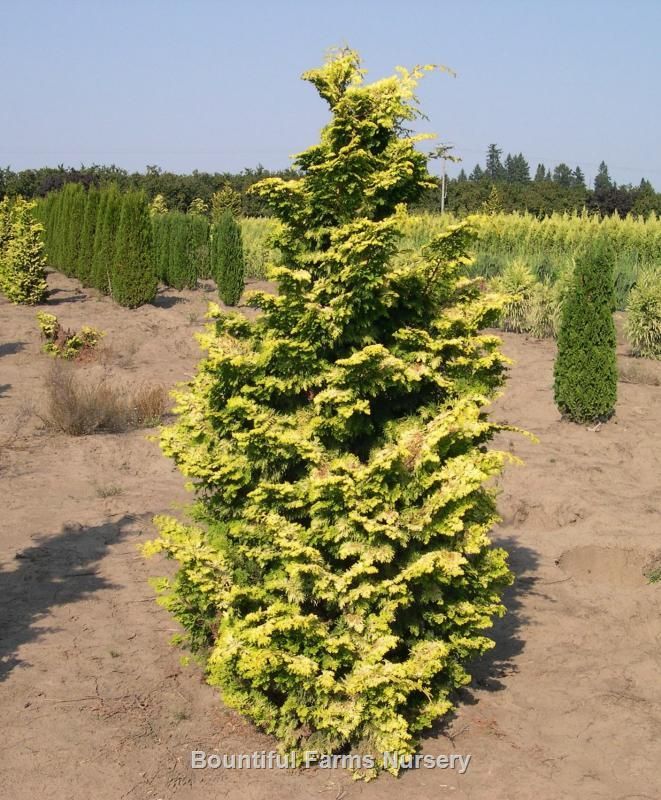
Gracilis Aurea

ACER PALMATUM ‘GRACILIS AUREA’

What if you could have the delicate, dissected foliage everyone loves about Japanese maples, but in a glowing golden-yellow that actually holds its color through New England’s brightest summers? ACER PALMATUM ‘GRACILIS AUREA’ is that rare plant—a sun-loving Japanese maple that doesn’t fade to green, doesn’t scorch in full light, and brings an almost ethereal quality to any garden space. This is the maple you’ve been waiting for if you thought Japanese maples were fragile shade creatures that demand constant attention. This one is tougher, brighter, and surprisingly adaptable.

What it looks like

Gracilis Aurea is an absolute showstopper for foliage. The deeply dissected, almost thread-like leaves emerge in spring with a luminous golden-yellow that could make you think the tree is lit from within. Unlike many golden Japanese maples that fade to chartreuse or pale green as summer progresses, this cultivar maintains that warm, glowing yellow tone throughout the growing season—especially when given adequate sunlight. The growth habit is graceful and upright, with a naturally refined branching pattern that needs minimal pruning to look spectacular. In fall, before dropping, the foliage shifts to brilliant golden-orange tones that seem to capture the last light of the season. The silhouette is fine and airy; standing beneath it feels like being under a delicate golden canopy.

Growing it in your garden

Here’s where Gracilis Aurea breaks the mold: it actually performs better in brighter conditions than most Japanese maple varieties. While it appreciates afternoon shade during the hottest Connecticut summers, it genuinely thrives in morning sun and dappled light. This makes it far more versatile for typical suburban gardens where full shade isn’t always available. Plant it in moist, well-draining soil amended with organic matter—Japanese maples appreciate the same conditions that make New England woodland plants happy. It prefers slightly acidic soil, so if your garden is naturally acidic (which much of Connecticut is), you’re starting from a good place. The key is consistent moisture without waterlogging; think “forest floor moisture,” not “swamp.” Morning sun combined with afternoon shade and protection from harsh western exposure gives you the perfect Goldilocks scenario for this variety.

Through the seasons

Spring arrives with that glowing yellow emergence, almost neon-bright against the gray Connecticut landscape—it’s genuinely arresting. Summer is when Gracilis Aurea earns its place in the garden. While other plants wilt in the heat, this maple seems to glow more intensely with light. The fine foliage creates beautiful dappled shade beneath, making it the perfect canopy for shade-loving perennials. Fall transforms the tree into something even more dramatic—that shift from yellow to golden-orange is gradual and gorgeous, extending the seasonal color show. Winter reveals the elegant branching structure, which has a naturally refined architecture that adds winter interest without the architectural overkill of some maples.

Where it shines

This is your focal point tree. Plant it where you’ll see it from a window, where morning light can backlight those delicate leaves, or as a specimen in a strategically visible corner of the garden. It’s equally at home in Asian-inspired gardens, modern minimalist landscapes, or cottage gardens where you want something refined but not stuffy. The fine texture contrasts beautifully with bold-leaved plants like hostas or coral bells. It also works wonderfully as a small-scale canopy tree for shaded garden rooms, creating intimate spaces beneath its airy crown. If you’re designing a garden specifically for year-round visual interest, Gracilis Aurea earns its square footage in every season.

Perfect companions

Pair Gracilis Aurea with shade-tolerant woodland plants that appreciate its dappled light: hellebores, epimediums, autumn ferns, and astilbes all thrive in its company. For foliage contrast, try Japanese painted ferns or the deep burgundy of heuchera varieties. Spring bulbs—particularly white bleeding hearts and Solomon’s seal—create beautiful combinations beneath its canopy. For shrub companions, oakleaf hydrangea and dwarf Clethra work wonderfully, extending the season of interest without competing for visual attention.

Care tips

Water regularly during establishment (the first two growing seasons) and during dry spells—Japanese maples don’t appreciate prolonged drought, particularly in Connecticut’s sometimes-unpredictable summers. Mulch lightly with compost to maintain consistent soil moisture. Pruning is rarely necessary beyond removing any crossing branches; let the natural architecture develop. This cultivar is hardy, pest-resistant, and disease-free when growing in appropriate conditions. Avoid heavy fertilizing, which can encourage weak, non-colored growth.

Quick facts

  • Hardiness Zone: 5–8
  • Mature Height & Spread: 12–18 feet tall, 8–12 feet wide (grows slowly)
  • Bloom Season: Grown primarily for foliage; spring flowers are inconspicuous
  • Light Requirements: Morning sun to dappled light; afternoon shade recommended
  • Water Needs: Moderate; consistent moisture, well-draining soil
  • Available at: Both our retail and wholesale locations

Gracilis Aurea

‘Gracilis Aurea’ is a tight upright form of Hinoki Cypress with foliage just like the cultivar ‘Gracilis’ but colored a bright golden yellow.

Description

Gracilis Aurea

ACER PALMATUM ‘GRACILIS AUREA’

What if you could have the delicate, dissected foliage everyone loves about Japanese maples, but in a glowing golden-yellow that actually holds its color through New England’s brightest summers? ACER PALMATUM ‘GRACILIS AUREA’ is that rare plant—a sun-loving Japanese maple that doesn’t fade to green, doesn’t scorch in full light, and brings an almost ethereal quality to any garden space. This is the maple you’ve been waiting for if you thought Japanese maples were fragile shade creatures that demand constant attention. This one is tougher, brighter, and surprisingly adaptable.

What it looks like

Gracilis Aurea is an absolute showstopper for foliage. The deeply dissected, almost thread-like leaves emerge in spring with a luminous golden-yellow that could make you think the tree is lit from within. Unlike many golden Japanese maples that fade to chartreuse or pale green as summer progresses, this cultivar maintains that warm, glowing yellow tone throughout the growing season—especially when given adequate sunlight. The growth habit is graceful and upright, with a naturally refined branching pattern that needs minimal pruning to look spectacular. In fall, before dropping, the foliage shifts to brilliant golden-orange tones that seem to capture the last light of the season. The silhouette is fine and airy; standing beneath it feels like being under a delicate golden canopy.

Growing it in your garden

Here’s where Gracilis Aurea breaks the mold: it actually performs better in brighter conditions than most Japanese maple varieties. While it appreciates afternoon shade during the hottest Connecticut summers, it genuinely thrives in morning sun and dappled light. This makes it far more versatile for typical suburban gardens where full shade isn’t always available. Plant it in moist, well-draining soil amended with organic matter—Japanese maples appreciate the same conditions that make New England woodland plants happy. It prefers slightly acidic soil, so if your garden is naturally acidic (which much of Connecticut is), you’re starting from a good place. The key is consistent moisture without waterlogging; think “forest floor moisture,” not “swamp.” Morning sun combined with afternoon shade and protection from harsh western exposure gives you the perfect Goldilocks scenario for this variety.

Through the seasons

Spring arrives with that glowing yellow emergence, almost neon-bright against the gray Connecticut landscape—it’s genuinely arresting. Summer is when Gracilis Aurea earns its place in the garden. While other plants wilt in the heat, this maple seems to glow more intensely with light. The fine foliage creates beautiful dappled shade beneath, making it the perfect canopy for shade-loving perennials. Fall transforms the tree into something even more dramatic—that shift from yellow to golden-orange is gradual and gorgeous, extending the seasonal color show. Winter reveals the elegant branching structure, which has a naturally refined architecture that adds winter interest without the architectural overkill of some maples.

Where it shines

This is your focal point tree. Plant it where you’ll see it from a window, where morning light can backlight those delicate leaves, or as a specimen in a strategically visible corner of the garden. It’s equally at home in Asian-inspired gardens, modern minimalist landscapes, or cottage gardens where you want something refined but not stuffy. The fine texture contrasts beautifully with bold-leaved plants like hostas or coral bells. It also works wonderfully as a small-scale canopy tree for shaded garden rooms, creating intimate spaces beneath its airy crown. If you’re designing a garden specifically for year-round visual interest, Gracilis Aurea earns its square footage in every season.

Perfect companions

Pair Gracilis Aurea with shade-tolerant woodland plants that appreciate its dappled light: hellebores, epimediums, autumn ferns, and astilbes all thrive in its company. For foliage contrast, try Japanese painted ferns or the deep burgundy of heuchera varieties. Spring bulbs—particularly white bleeding hearts and Solomon’s seal—create beautiful combinations beneath its canopy. For shrub companions, oakleaf hydrangea and dwarf Clethra work wonderfully, extending the season of interest without competing for visual attention.

Care tips

Water regularly during establishment (the first two growing seasons) and during dry spells—Japanese maples don’t appreciate prolonged drought, particularly in Connecticut’s sometimes-unpredictable summers. Mulch lightly with compost to maintain consistent soil moisture. Pruning is rarely necessary beyond removing any crossing branches; let the natural architecture develop. This cultivar is hardy, pest-resistant, and disease-free when growing in appropriate conditions. Avoid heavy fertilizing, which can encourage weak, non-colored growth.

Quick facts

  • Hardiness Zone: 5–8
  • Mature Height & Spread: 12–18 feet tall, 8–12 feet wide (grows slowly)
  • Bloom Season: Grown primarily for foliage; spring flowers are inconspicuous
  • Light Requirements: Morning sun to dappled light; afternoon shade recommended
  • Water Needs: Moderate; consistent moisture, well-draining soil
  • Available at: Both our retail and wholesale locations