
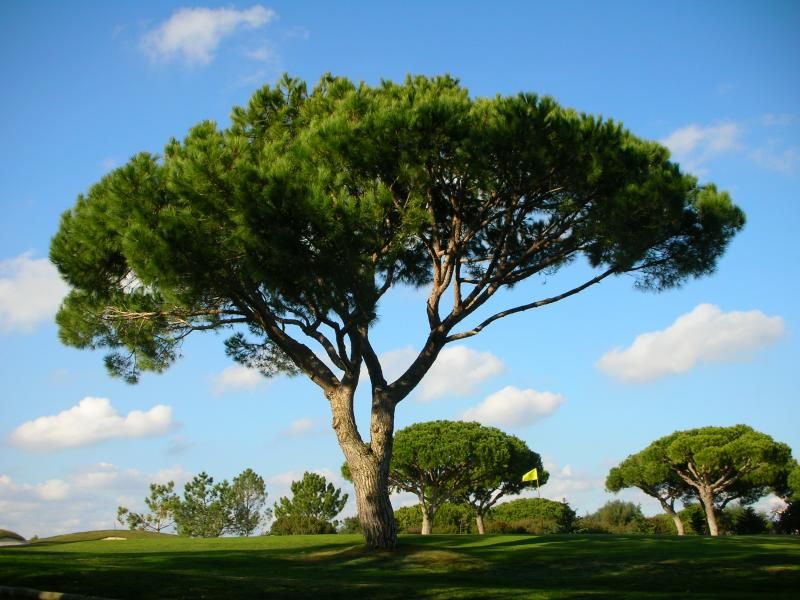
Description

SCIADOPITYS VERTICILLATA
Imagine a tree that looks like it was designed by someone who decided that ordinary evergreens weren’t quite interesting enough. The Umbrella Pine isn’t your typical conifer—it’s a living sculpture with an exotic elegance that somehow feels both dramatically different and perfectly at home in a New England garden. This Japanese native has been turning heads in the most sophisticated Connecticut landscapes for centuries, and once you understand what makes it special, you’ll see why collectors and plant enthusiasts get genuinely excited about this one.
What it looks like
The Umbrella Pine earns its common name honestly. Those aren’t traditional needles arranged in the usual evergreen fashion—they’re gathered in perfect whorls that radiate outward like the ribs of a delicate parasol. These needle clusters are bright, glossy green, and grow in layers up the branches, creating an architecture that’s almost geometric in its precision. The overall form is naturally pyramidal and tidy, with a graceful, upright habit that becomes more sculptural as it matures. Young trees have a fresh, almost tender appearance; older specimens develop real character with their developing bark and increasingly distinctive silhouette.
Growing it in your garden
Here’s what makes the Umbrella Pine work in Connecticut: it’s tougher than it looks. While it appreciates the same thoughtful placement you’d give to any premium evergreen, it’s absolutely hardy through our winters. Plant it in a spot with afternoon shade—while it tolerates full sun, it genuinely prefers some dappled light during hot afternoons. This tree wants well-draining soil that stays consistently moist but never waterlogged. If your garden tends toward heavy clay, amend generously with compost and consider a raised bed. The investment in good drainage now pays dividends in a healthier, happier tree.
Think of placement as part of the design. This is a specimen plant—something you’re planting to be seen and admired. A location where you can view it from a window, or where it creates a focal point in the landscape, makes the most of its architectural qualities. It’s not a background player; it’s the starring role.
Through the seasons
Spring brings fresh, bright new growth that practically glows—the new needle clusters emerge in an almost lime-tinged green before deepening. Summer is when the Umbrella Pine truly settles in, maintaining that perfect pyramidal form and glossy presence throughout the season. Fall and winter are where this tree really earns your affection. While it doesn’t change color, its evergreen presence becomes increasingly valuable as deciduous plants fade. In snow, the distinctive tiered form becomes even more sculptural, and the needles take on a rich, deep tone. It’s genuinely beautiful in winter, which is something you can’t say about every evergreen.
Where it shines
This tree is perfect as a specimen planting—that single, special tree that anchors a garden corner or marks an entry. It’s equally stunning in Japanese-inspired gardens, where its form and origin story feel completely natural. Courville Nurseries’ customers have had wonderful success using Umbrella Pines in foundation plantings where something more refined than typical junipers or arborvitae is wanted. It also works beautifully in shade gardens, where its bright foliage creates impact without relying on flowers. In smaller Connecticut landscapes, it’s an excellent choice because it respects space while still making a real visual statement.
Perfect companions
Pair the Umbrella Pine with shade-tolerant understory plants like Japanese maples, hellebores, or Japanese painted ferns. These companions appreciate similar soil conditions and don’t compete for visual attention. Low-growing hostas or sedges in the foreground let the Umbrella Pine’s distinctive form take center stage. For a more formal look, consider understated companion plantings—perhaps just shade-tolerant groundcover like pachysandra or liriope. Sometimes the best accompaniment to architectural excellence is simplicity.
Care tips
Umbrella Pines are remarkably low-maintenance once established. Water during dry spells in the first year or two while the root system develops—after that, they’re quite self-sufficient in Connecticut’s climate. No pruning is necessary; this tree naturally develops its perfect form. A light mulch layer keeps soil consistently moist without suffocating the roots. Avoid heavy fertilizing; a naturally rich soil amended with compost at planting time is usually all the nutrition it needs. It’s refreshingly unbothered by pests and diseases when sited properly.
Quick facts
- Hardiness Zone: 4-8
- Mature Height & Spread: 25-30 feet tall, 15-20 feet wide (can be smaller in cultivation)
- Bloom Season: Non-flowering ornamental
- Light Requirements: Partial to full shade, tolerates full sun with afternoon shade preferred
- Water Needs: Moderate; prefers consistently moist, well-draining soil
- Available at: Both our retail and wholesale locations.