Straight Sweet Gum

If you’re looking for a tree that brings year-round interest to your Connecticut landscape, the Straight Sweet Gum might just be your answer. This native beauty is a fantastic choice for New England gardeners who want something with genuine character—think gorgeous fall foliage that’ll make your neighbors jealous, interesting architectural features even in winter, and a form that stays naturally upright without constant pruning. It’s one of those trees that earns its place in your yard through all four seasons, and honestly, once you plant one, you might find yourself wanting more.

What it looks like

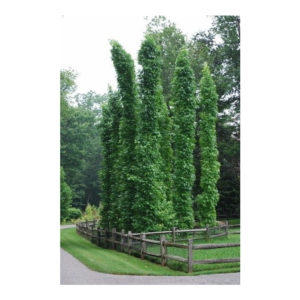
The Straight Sweet Gum (LIQUIDAMBAR STYRACIFLUA ‘Straight’) is an elegant, columnar tree that grows with a distinctly vertical habit—perfect if you’re working with limited space but want real presence and height. The foliage is absolutely stunning: star-shaped leaves with glossy green summer color that transform into brilliant shades of burgundy, orange, and gold when fall arrives. The tree also produces spiky, ornamental seed balls that hang on the branches through winter, adding wonderful texture and visual interest when everything else is dormant. Even the bark has appeal, with a subtle ridged texture that becomes more pronounced as the tree matures. This isn’t just a tree you tolerate in your yard; it’s one you actually enjoy looking at throughout the year.

Growing it in your garden

Connecticut’s climate is right in the sweet spot for growing Sweet Gum successfully. This tree thrives in zones 5 through 9, and we’re solidly in that range here in New England. Plant it in a location where it gets full sun—at least six hours daily, though more is better. The Straight Sweet Gum is adaptable when it comes to soil, though it prefers slightly acidic, well-draining conditions. If your yard tends toward clay (and let’s be honest, a lot of Connecticut does), you can absolutely make it work, but amending with some organic matter when planting will help get things off to a strong start. This cultivar’s columnar shape means you can use it in spaces where a traditional spreading shade tree might overwhelm the landscape. It’s wonderful as a specimen tree, in groupings, or even as part of a mixed border where you want height and visual interest.

Through the seasons

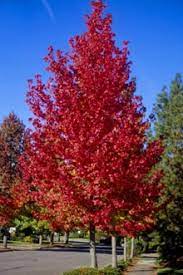
Spring brings fresh, bright green foliage as the tree leafs out, creating that hopeful feeling we all crave after a New England winter. Summer is when the glossy green star-shaped leaves really shine, providing lovely shade and a lush backdrop to the rest of your garden. Fall is absolutely showtime—the foliage display is genuinely spectacular, rivaling our native maples in intensity. Depending on the year and weather conditions, you might see deep purples, vibrant oranges, or stunning combinations of red and gold. The spiky seed balls persist well into winter, which some gardeners love for the texture and winter interest, though fair warning: they can be a bit messy if they fall where you walk frequently (something to consider when placing your tree). By winter, the tree’s strong vertical form really becomes the star, creating structure and visual impact in the sleeping garden.

Where it shines

The Straight Sweet Gum is fantastic in several settings. Use it as a tall screen or windbreak along property lines—that columnar form creates privacy without taking up much ground space. It’s excellent as a specimen tree in a prominent location where you want fall color and seasonal interest. If you have a narrow side yard or a tight urban-style garden, this tree’s vertical habit makes it ideal for adding height and drama without the horizontal sprawl. It also works beautifully in mixed borders where you want a backbone of height and changing seasonal color. In New England landscapes, it brings the kind of structure and year-round interest that keeps your garden looking intentional and beautiful even when it’s not in peak bloom.

Perfect companions

Plant your Straight Sweet Gum with understory plantings that appreciate the dappled summer shade it provides. Shade-tolerant perennials like astilbes, hostas, and hellebores work beautifully beneath it. In fall, when the tree steals the show with its foliage, pair it with evergreen shrubs like boxwoods or hollies to create contrast and ensure you have year-round structure. Ornamental grasses with fine texture—like feather reed grass or northern sea oats—create a beautiful interplay with the tree’s strong vertical form. Spring bulbs underneath add early-season interest before the tree fully leafs out, and late-summer bloomers like coneflowers or black-eyed Susans create a lovely color complement to the changing foliage.

Care tips

Once established, the Straight Sweet Gum is relatively low-maintenance, which is music to any gardener’s ears. Water regularly during the first season after planting to help develop a strong root system, then it becomes quite drought-tolerant. Prune in late winter or early spring if needed to maintain form or remove any damaged branches, though the cultivar’s naturally upright habit means you won’t need to do much. Mulch around the base with two to three inches of organic mulch, keeping it a few inches away from the trunk. Avoid overfertilizing—these trees don’t need much coddling. In our Connecticut winters, the tree should experience no problems, and its native heritage means it’s well-adapted to our seasonal changes and pest pressures.

Quick facts

  • Hardiness Zone: 5 through 9
  • Mature Height & Spread: 40 to 50 feet tall and 8 to 12 feet wide
  • Bloom Season: Spring (inconspicuous flowers); fall foliage is the main attraction
  • Light Requirements: Full sun (6+ hours daily)
  • Water Needs: Regular watering when young; drought-tolerant once established
  • Available at: Both our retail and wholesale locations

Straight Sweet Gum

A large, valuable, forest tree frequently found in wet river bottoms, in swamps that frequently flood, and on drier uplands (except the high mountains) throughout North Carolina.

Description

Straight Sweet Gum

If you’re looking for a tree that brings year-round interest to your Connecticut landscape, the Straight Sweet Gum might just be your answer. This native beauty is a fantastic choice for New England gardeners who want something with genuine character—think gorgeous fall foliage that’ll make your neighbors jealous, interesting architectural features even in winter, and a form that stays naturally upright without constant pruning. It’s one of those trees that earns its place in your yard through all four seasons, and honestly, once you plant one, you might find yourself wanting more.

What it looks like

The Straight Sweet Gum (LIQUIDAMBAR STYRACIFLUA ‘Straight’) is an elegant, columnar tree that grows with a distinctly vertical habit—perfect if you’re working with limited space but want real presence and height. The foliage is absolutely stunning: star-shaped leaves with glossy green summer color that transform into brilliant shades of burgundy, orange, and gold when fall arrives. The tree also produces spiky, ornamental seed balls that hang on the branches through winter, adding wonderful texture and visual interest when everything else is dormant. Even the bark has appeal, with a subtle ridged texture that becomes more pronounced as the tree matures. This isn’t just a tree you tolerate in your yard; it’s one you actually enjoy looking at throughout the year.

Growing it in your garden

Connecticut’s climate is right in the sweet spot for growing Sweet Gum successfully. This tree thrives in zones 5 through 9, and we’re solidly in that range here in New England. Plant it in a location where it gets full sun—at least six hours daily, though more is better. The Straight Sweet Gum is adaptable when it comes to soil, though it prefers slightly acidic, well-draining conditions. If your yard tends toward clay (and let’s be honest, a lot of Connecticut does), you can absolutely make it work, but amending with some organic matter when planting will help get things off to a strong start. This cultivar’s columnar shape means you can use it in spaces where a traditional spreading shade tree might overwhelm the landscape. It’s wonderful as a specimen tree, in groupings, or even as part of a mixed border where you want height and visual interest.

Through the seasons

Spring brings fresh, bright green foliage as the tree leafs out, creating that hopeful feeling we all crave after a New England winter. Summer is when the glossy green star-shaped leaves really shine, providing lovely shade and a lush backdrop to the rest of your garden. Fall is absolutely showtime—the foliage display is genuinely spectacular, rivaling our native maples in intensity. Depending on the year and weather conditions, you might see deep purples, vibrant oranges, or stunning combinations of red and gold. The spiky seed balls persist well into winter, which some gardeners love for the texture and winter interest, though fair warning: they can be a bit messy if they fall where you walk frequently (something to consider when placing your tree). By winter, the tree’s strong vertical form really becomes the star, creating structure and visual impact in the sleeping garden.

Where it shines

The Straight Sweet Gum is fantastic in several settings. Use it as a tall screen or windbreak along property lines—that columnar form creates privacy without taking up much ground space. It’s excellent as a specimen tree in a prominent location where you want fall color and seasonal interest. If you have a narrow side yard or a tight urban-style garden, this tree’s vertical habit makes it ideal for adding height and drama without the horizontal sprawl. It also works beautifully in mixed borders where you want a backbone of height and changing seasonal color. In New England landscapes, it brings the kind of structure and year-round interest that keeps your garden looking intentional and beautiful even when it’s not in peak bloom.

Perfect companions

Plant your Straight Sweet Gum with understory plantings that appreciate the dappled summer shade it provides. Shade-tolerant perennials like astilbes, hostas, and hellebores work beautifully beneath it. In fall, when the tree steals the show with its foliage, pair it with evergreen shrubs like boxwoods or hollies to create contrast and ensure you have year-round structure. Ornamental grasses with fine texture—like feather reed grass or northern sea oats—create a beautiful interplay with the tree’s strong vertical form. Spring bulbs underneath add early-season interest before the tree fully leafs out, and late-summer bloomers like coneflowers or black-eyed Susans create a lovely color complement to the changing foliage.

Care tips

Once established, the Straight Sweet Gum is relatively low-maintenance, which is music to any gardener’s ears. Water regularly during the first season after planting to help develop a strong root system, then it becomes quite drought-tolerant. Prune in late winter or early spring if needed to maintain form or remove any damaged branches, though the cultivar’s naturally upright habit means you won’t need to do much. Mulch around the base with two to three inches of organic mulch, keeping it a few inches away from the trunk. Avoid overfertilizing—these trees don’t need much coddling. In our Connecticut winters, the tree should experience no problems, and its native heritage means it’s well-adapted to our seasonal changes and pest pressures.

Quick facts

  • Hardiness Zone: 5 through 9
  • Mature Height & Spread: 40 to 50 feet tall and 8 to 12 feet wide
  • Bloom Season: Spring (inconspicuous flowers); fall foliage is the main attraction
  • Light Requirements: Full sun (6+ hours daily)
  • Water Needs: Regular watering when young; drought-tolerant once established
  • Available at: Both our retail and wholesale locations