Description
 PANICUM VIRGATUM ‘ADAGIO’
What if one plant could give you elegance without the fuss? ADAGIO SWITCHGRASS is that rare combination of architectural drama and easygoing charm. This cultivar takes everything gardeners love about native switchgrass and refines it into something even more refined—a fountain of fine-textured foliage that sways with every breeze, topped by delicate purple-tinged panicles that catch the light like they’re dancing.
What it looks like
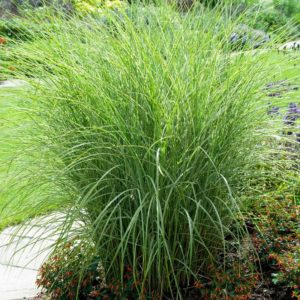
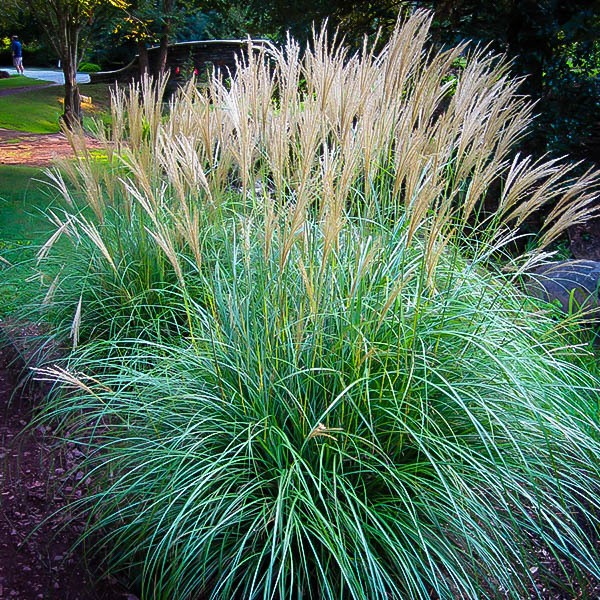
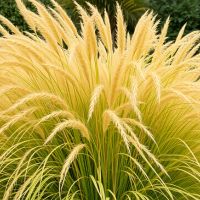
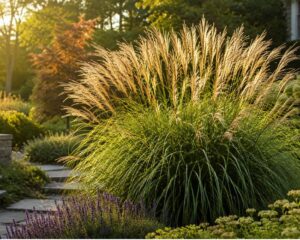
ADAGIO is the sophisticated cousin in the switchgrass family. It grows as a semi-upright clump of narrow, blue-green leaves that emerge soft and spring-like in early summer, then gradually transition to warmer tones as the season progresses. By late summer, flowering stems rise above the foliage—and here’s where ADAGIO really shows off. The airy panicles start as warm burgundy and gradually fade to copper and gold as fall deepens. Unlike some switchgrasses that can feel aggressive or coarse, ADAGIO maintains an almost delicate presence, with a mature height that’s respectfully shorter than many of its cousins. The entire plant develops an ethereal quality, especially when backlit by afternoon sun or dusted with morning dew.
Growing it in your garden
ADAGIO switchgrass laughs in the face of New England’s growing challenges. It’s a native North American grass that has adapted beautifully to Connecticut’s climate and soil conditions. Plant it in spring or early fall in well-draining soil—and we mean that literally. This grass actually prefers sites where water moves through relatively quickly. Unlike some ornamental grasses that can be temperamental about drainage, ADAGIO is genuinely flexible. It performs equally well in sandy soil and clay loam, which makes it an excellent choice for gardeners working with less-than-perfect conditions.
Light-wise, ADAGIO shows its best color in full sun to part sun locations. While it will tolerate afternoon shade, the purple tones in the flowers and fall foliage intensify with more sun exposure. We typically recommend at least five to six hours of direct sunlight for peak performance, though it remains an attractive plant even with less.
Through the seasons
Spring brings the first signs of life as the foliage emerges later than most plants—usually around mid-May in Connecticut. This late emergence is actually a feature, not a bug, since it keeps frost-damaged new growth from being a problem. Early summer shows you a lush clump of upright foliage, and by mid-July, the flowering stems begin their ascent. August through October is when ADAGIO truly earns its place in your garden. The panicles mature into those stunning copper and burgundy tones, and the entire plant becomes a focal point.
Fall is genuinely spectacular. As temperatures drop, the foliage transitions to warm golden-tan tones, and the seed heads shift from purple-bronze to copper-gold. Winter persistence is one of ADAGIO’s underrated virtues—unlike some grasses that collapse into soggy heaps after heavy snow, ADAGIO holds its form remarkably well through Connecticut’s winters, providing architectural interest even when the garden is largely dormant. By spring, you cut it back to about four inches from the ground and the cycle begins again.
Where it shines
ADAGIO is at home almost anywhere in the Connecticut landscape. Use it as a solo specimen where you want vertical interest without excessive height—those narrow planting beds near houses and entries are perfect. Mass it in groups of three, five, or seven for that sophisticated rhythm that good garden design demands. It’s excellent for prairie gardens, rain gardens, and naturalized areas. We also love ADAGIO in contemporary and minimalist designs where its fine texture and graceful movement provide softness without chaos.
Because it tolerates both wet and dry conditions reasonably well once established, it’s useful in areas where you struggle with other plants. It won’t solve a standing water problem, but it handles occasional moisture fluctuations that would stress more fussy ornamental grasses.
Perfect companions
ADAGIO pairs beautifully with other natives and fine-textured plants. Try it with joe-pye weed, black-eyed Susans, and coneflowers for a naturalized planting. Combine it with ornamental alliums and Russian sage for a more contemporary feel. In shade situations with decent soil, plant it alongside hellebores and heuchera for textural contrast. The key is that ADAGIO’s airy quality works as a visual bridge between bolder plants.
Care tips
ADAGIO is refreshingly low-maintenance once established. Water regularly during the first growing season to help develop a strong root system, then you can back off considerably. Mature plants rarely need supplemental watering except during genuine drought. Fertilizer? Unnecessary. This is a native plant that evolved to thrive without coddling. Pests and diseases are essentially non-existent. In early spring, cut the entire plant back to about four inches before new growth emerges—it only takes about ten minutes with good pruners or a hedge shear. Don’t cut it back in fall, even though it’s tempting, because you’ll lose the winter interest.
Quick facts
- Hardiness Zone: Zones 4-9
- Mature Height & Spread: 3 to 4 feet tall; 18 to 24 inches wide
- Bloom Season: July through November
- Light Requirements: Full sun to part sun
- Water Needs: Moderate; drought-tolerant once established
- Available at: Both our retail and wholesale locations