
Description
VIBURNUM X RHYTIDOPHYLLUM ‘ALLEGHANY’
If you’ve been searching for something that handles wet soil, deep shade, and Connecticut winters without complaint, while still delivering a show of fragrant flowers and jewel-toned berries, Alleghany Viburnum might just be the answer you’ve been waiting for. This hybrid viburnum is proof that you don’t have to choose between toughness and beauty—it gives you both, generously, year after year.
What it looks like
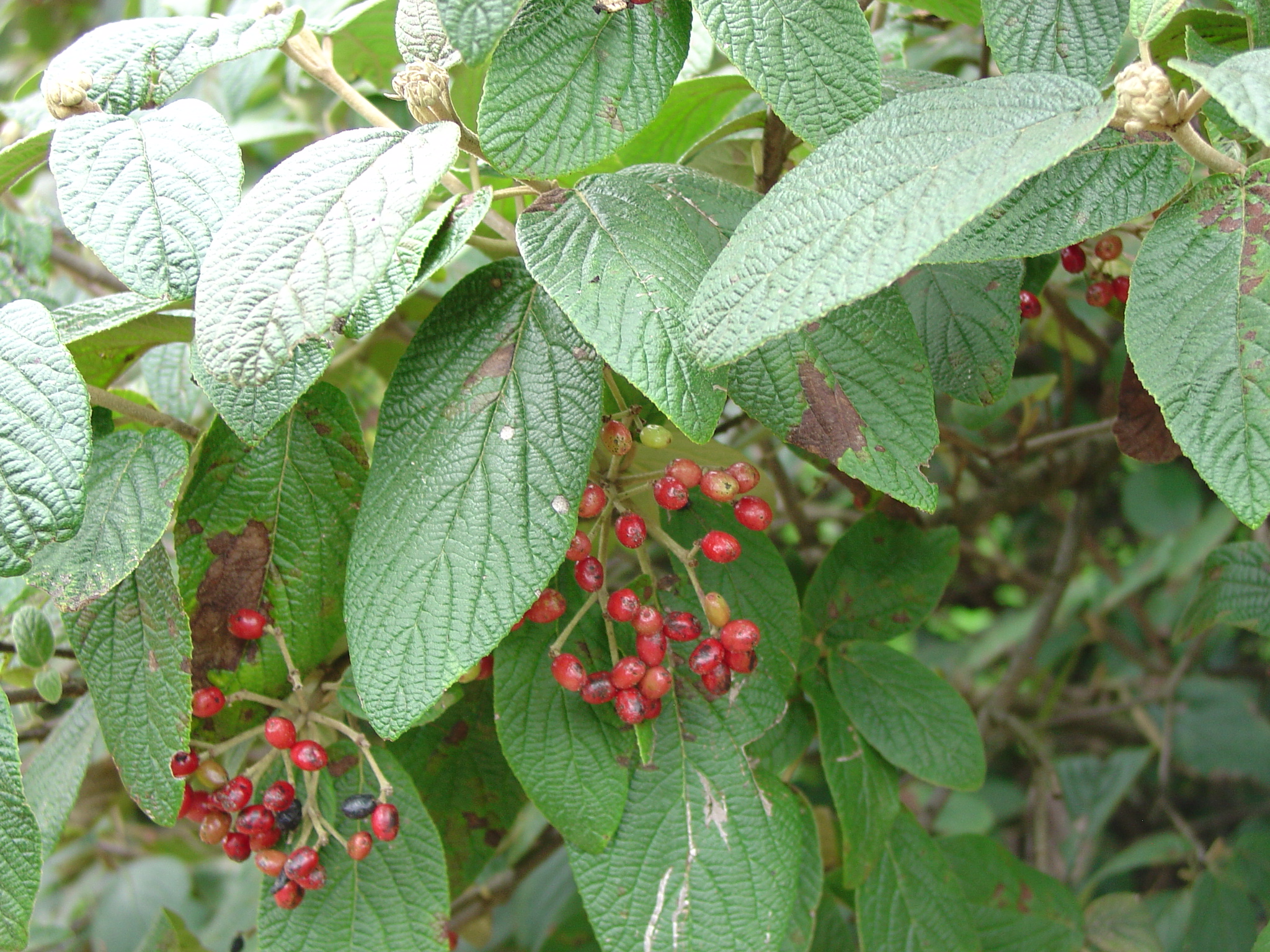
Alleghany Viburnum is a semi-evergreen shrub with an architectural presence that feels substantial without being aggressive. Its deep green, deeply veined leaves have an almost quilted texture that catches the light beautifully, especially in winter when most of the foliage persists. The plant grows into a dense, upright mound that’s naturally tidy—no constant pruning required. Come late spring, flat-topped clusters of cream-colored flowers appear along the stems, their fragrance drifting through the garden in a way that makes you pause and take notice. The flowers give way to small, oval berries that start red and deepen to black as they mature, adding a subtle but sophisticated berry display through much of the year.
Growing it in your garden
This is where Alleghany Viburnum truly shines as a Connecticut resident. It’s remarkably adaptable—thriving in everything from full sun to quite dense shade, tolerating clay, loam, and yes, even poorly drained soil that can be challenging for many shrubs. In our New England climate, plant it in spring or fall, giving it a good deep watering during its first season to encourage a strong root system. It won’t sulk in the dry shade under mature trees where other plants fail. It won’t demand perfect soil or constant attention. What it will do is establish itself reliably and reward you with consistent performance year after year.
Through the seasons
Spring arrives quietly with Alleghany Viburnum’s fragrant flower display—not showy enough to demand you cut it for indoor arrangements, but lovely enough that you’ll want to. Summer finds the shrub lush and full, its evergreen-ish foliage staying vibrant even in shade. The berries begin their color transition in late summer, creating a subtle two-tone effect as some turn from red to black while others are still developing. Fall and winter are where this plant truly earns its place in a Connecticut garden—while deciduous viburnums fade away, Alleghany holds much of its foliage, keeping the garden from feeling completely bare. Those persistent leaves often take on burgundy and purple tones as temperatures drop, adding winter interest to the landscape when it’s needed most.
Where it shines
Alleghany Viburnum is at its best in woodland gardens and shaded borders, where it partners beautifully with other shade-tolerant plants. It’s excellent along property lines—dense enough to provide some screening without requiring the formal maintenance of a hedge. Use it in foundation plantings where you need something that won’t eventually outgrow the space dramatically. It’s particularly valuable in rain gardens or areas where drainage is imperfect, as it handles moisture far better than many ornamental shrubs. It also performs admirably in mixed borders, holding its own alongside hydrangeas, fothergillas, and other classic New England shrubs.
Perfect companions
Pair Alleghany Viburnum with other shade-loving underplanting like hostas, hellebores, or epimedium to create layers of interest. Taller companions like oakleaf hydrangea or native azaleas work well behind it. Its subtle berry display plays nicely with the bolder fruits of winterberry or ilex. In terms of texture, it creates a nice contrast with fine-leaved foliage like that of Japanese maple or cutleaf Japanese maple.
Care tips
Plant in spring or fall for best establishment. Water deeply during the first growing season, then water during droughts. Alleghany Viburnum typically needs minimal pruning—just remove any dead wood or crossing branches in late winter if needed. It’s relatively pest-resistant, though occasionally spider mites or aphids appear on overly stressed plants; keeping your shrub healthy through proper watering is the best prevention. Avoid fertilizing unless your soil is truly impoverished; most New England soils provide adequate nutrients once the plant is established.
Quick facts
- Hardiness Zone: Zones 4–8 (reliable throughout Connecticut)
- Mature Height & Spread: 8–10 feet tall and 6–8 feet wide, but easily kept smaller with selective pruning
- Bloom Season: Late May to early June
- Light Requirements: Full sun to deep shade (performs better in shade than many viburnums)
- Water Needs: Moderate; tolerates wet soil and established plants are drought-tolerant
- Available at: Both our retail and wholesale locations