
Description

RHODODENDRON ‘ANAH KRUSCHKE’
If you’ve been searching for a rhododendron that doesn’t mind the intensity of a New England winter, that laughs in the face of late spring frosts, and that comes back year after year with increasingly generous flower clusters, Anah Kruschke is your answer. This hybrid rhododendron was bred specifically for cold climates, and it shows that hardy backbone in every aspect of its growth. It’s the kind of plant that makes you wonder why you ever doubted whether something this beautiful could actually survive here.
What it looks like
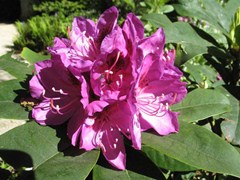
Anah Kruschke is a vision in deep purple-mauve when it blooms, with ruffled funnel-shaped flowers that seem almost too elegant for such a tough plant. The flowers arrive in dense, abundant trusses that absolutely transform the entire shrub into a flowering monument. Between blooms, the foliage earns its keep: deep green, glossy leaves that maintain their rich color even through the toughest Connecticut winters. The overall plant form is naturally compact and tidy, growing into a well-proportioned, rounded shape without requiring aggressive pruning.
Growing it in your garden
What makes RHODODENDRON ‘ANAH KRUSCHKE’ truly special for Connecticut gardeners is its remarkable cold hardiness. Hardy to Zone 4 (and performing beautifully in Zone 5), it was specifically developed to thrive where winter temperatures plunge without mercy. The breeding work shows in every aspect—from sturdy branch structure to leaves that don’t scorch or brown from winter wind damage. Unlike tender rhododendrons that need coddling, this one simply settles in and gets to work.
This rhododendron prefers the same conditions most of its relatives do: well-draining, acidic soil. If your garden leans neutral or alkaline, amend generously with peat moss and sulfur to create the acidic conditions it loves. Morning sun is ideal—this helps prevent frost damage on buds and keeps the plant vigorous—but afternoon shade is genuinely appreciated during hot summers. Plant it where it has some shelter from the harshest winds, particularly in exposed locations.
Through the seasons
Spring is undeniably Anah Kruschke’s moment to shine. From mid to late May through early June, depending on your microclimate, the buds unfurl into those magnificent deep purple flowers. The display lasts for several weeks, providing something truly noteworthy to the spring garden. After flowering concludes, the plant settles into a quiet role as an architectural evergreen, maintaining its structured shape and glossy foliage. Summer heat doesn’t stress it, though consistent moisture during dry spells keeps it happiest. Autumn brings no dramatic color change—the leaves remain steadfastly green—but the plant takes on a sturdy, composed appearance as it prepares for winter. Winter is where this variety really proves itself. While other rhododendrons show bud damage or winter bronzing, Anah Kruschke sits unbothered, ready to deliver blooms come spring.
Where it shines
This variety is at home in foundation plantings where you want something substantial and reliable. Use it as a backdrop for spring shade perennials, where its deep green foliage provides a sophisticated frame. It also works beautifully in woodland gardens where it gets dappled light and can live alongside native Connecticut plants. Because it stays compact and doesn’t sprawl, it’s excellent for smaller gardens where you want the impact of a rhododendron without overwhelming the space. Plant it where you can enjoy those glorious spring flowers from a window or from your favorite garden seat.
Perfect companions
Pair Anah Kruschke with other shade-loving performers that appreciate acidic soil: KALMIA LATIFOLIA (mountain laurel) for a sequence of complementary blooms, ILEX (hollies) for winter structure and berries, and hostas for textural contrast beneath the rhododendron’s canopy. Woodland natives like TRILLIUM, HELLEBORUS, and shade-tolerant ferns create a naturalistic understory. The deep purple flowers also pair beautifully with white-flowering companions like TSUGA canadensis cultivars or cream-and-green variegated foliage.
Care tips
Anah Kruschke requires very little pruning beyond removing dead wood. If you need to shape it, do so immediately after flowering concludes. Deadhead spent flower clusters to direct energy into foliage and next year’s bud development—this isn’t strictly necessary, but it does encourage more vigorous growth. Mulch around the plant with 2 to 3 inches of wood chips to maintain soil moisture and acidity, but keep mulch away from the stem itself. Water consistently during the first season as the root system establishes. Once settled, it’s quite drought-tolerant compared to many rhododendrons, though it still prefers consistently moist (never soggy) soil. No fertilizer is needed if you’ve amended the soil properly at planting.
Quick facts
- Hardiness Zone: 4 to 8
- Mature Height & Spread: 4 to 5 feet tall and wide
- Bloom Season: Late May through early June
- Light Requirements: Dappled sun to partial shade
- Water Needs: Consistent moisture; well-draining acidic soil
- Available at: Both our retail and wholesale locations